- We ship to all 50 States and Canada Order Now 714-234-6899/714-452-7679

How many dried squid calories are there? Does eating a lot of dried squid make you gain weight?

If you love squid dishes but still wonder how many calories squid contains and whether eating it can lead to weight gain, then this article is for you. The following content will give you a clearer understanding of dried squid calories and answer common questions when enjoying this delicious food

How many dried squid calories are there?

Dried squid is considered a nutrient-dense food that not only provides a savory flavor but also delivers a significant amount of calories. The exact number of dried squid calories can vary depending on the type of squid and the processing method. On average, dried squid contains around 300–400 calories per 100 grams. In addition to its calorie content, 100 grams of dried squid also offers an impressive nutritional profile, including about 60.1 grams of protein, essential vitamins such as B2 and B12, 4.5 grams of fat, as well as important minerals like calcium, magnesium, iron, zinc, and copper. This makes dried squid both a high-energy food and a valuable source of nutrients for the body.

What are the benefits of eating dried squid?

Supports cell growth and repair

dried squid calories

Based on the recommended daily protein intake, 100 grams of dried squid provides an impressive 133.5% of the protein requirement for women and about 115.5% for men. In comparison, 100 grams of fresh squid only meets around 46.5% of protein needs for women and 30% for men. Protein plays a crucial role in building, maintaining, and developing healthy cells. Consuming dried squid not only supports muscle growth but also aids in repairing tissue damage, strengthening the immune system, and promoting overall vitality. Along with its high protein content, the notable dried squid calories value makes it an excellent energy source, ensuring the body has the fuel it needs for daily activities while still receiving essential nutrients.

Boosts brain health

dried squid calories

Dried squid is not only a tasty snack but also a valuable source of B vitamins, which are essential for a wide range of bodily functions, including metabolism, muscle performance, the nervous system, skin, and hair health. Among these, vitamin B2 plays a particularly vital role in supporting brain function. It helps maintain the activity of neurotransmitters, aids in the metabolism of fatty acids within brain lipids, and enhances cognitive performance such as memory and concentration. Regular consumption of dried squid may also contribute to reducing the risk of migraines, making it a beneficial food for both mental clarity and overall neurological health.

Protects the body against bacterial infections

dried squid calories

Scientific studies have revealed that consuming dried squid may help the body fight off harmful bacteria such as E. coli, which is known to cause intestinal diseases, and K. pneumoniae, a bacterium responsible for pneumonia, infections, and even meningitis. Dried squid contains natural antibacterial properties that can neutralize certain viruses and harmful microorganisms, thereby reducing the risk of infections. By including dried squid in your diet on a regular basis, you are not only enjoying a flavorful dish but also giving your body an extra layer of defense against dangerous pathogens, helping to strengthen your overall immune protection.

Prevents anemia and supports overall health

Nutritional analysis shows that squid is an excellent source of copper, providing up to 90% of the daily requirement needed to ensure proper blood function. Copper plays a vital role in stimulating the production of red blood cells and improving blood circulation to body tissues. It also participates in the metabolism of iron and fats while helping maintain healthy heart function. Regular consumption of squid can therefore be an effective way to prevent anemia and promote better vitality.

dried squid calories

In addition to this benefit, various studies highlight many other positive effects of eating squid. Its strong antioxidant properties help combat oxidative stress and neutralize harmful free radicals, thereby reducing the risk of cancer. Squid also supports mental well-being by providing dopamine, which improves concentration and alleviates stress. Furthermore, it supplies vitamin B3, which is essential for insulin production and blood sugar regulation. Finally, its rich calcium and phosphorus content contributes to stronger bones and teeth, making squid a highly nutritious food that benefits multiple aspects of health.

Does eating dried squid make you gain weight?

Calories are one of the key factors that directly affect body weight. They serve as the primary source of energy to fuel all bodily functions and daily activities. On average, an adult needs about 2,000 calories per day to maintain a stable weight. When calorie intake exceeds this requirement, the surplus energy is stored and gradually converted into fat, which can lead to weight gain and, in the long run, even obesity.

dried squid calories

Fortunately, dried squid is not considered a high-calorie food, meaning it is less likely to cause excess calorie accumulation in the body. For this reason, you can enjoy dried squid with peace of mind without worrying too much about gaining weight. In fact, when incorporated sensibly into your diet, squid can even support weight management. Healthier cooking methods such as steaming, boiling, or grilling fresh squid are recommended, especially for those who are trying to lose weight. On the other hand, fried or stir-fried squid dishes, which often involve a large amount of oil, contain significantly higher calories and may increase the risk of weight gain if consumed frequently.

Are there any side effects of eating too much dried squid?

Although dried squid is a nutritious food, excessive consumption can pose certain health risks. One of the most common concerns is allergy. Squid may trigger allergic reactions in some individuals, with symptoms ranging from skin rashes, itching in the mouth, and swelling of the lips or tongue, to nausea, vomiting, dizziness, and headaches. While such cases are relatively rare, caution is advised, especially for those with a history of seafood allergies.

dried squid calories

Another important issue is its high cholesterol content. For instance, 85 grams of fresh squid contains about 198 mg of cholesterol, while 100 grams of dried squid contains as much as 615 mg—almost 40 times higher than the cholesterol found in fatty pork. Consuming squid in large amounts may significantly raise cholesterol levels, thereby increasing the risk of hypertension, heart disease, stroke, and other cardiovascular complications.

In addition, squid can sometimes contain traces of mercury and other heavy metals, which may lead to toxicity if consumed excessively over time. For this reason, doctors recommend that individuals with cardiovascular problems, kidney or liver disorders, or high blood lipids should limit their intake of dried squid. Even for healthy adults, moderation is essential: the safe portion is about 100 grams of fresh or dried squid per day, with a frequency of no more than two to three meals per week. Avoid eating squid on a daily basis to minimize potential health risks while still enjoying its nutritional benefits.

In conclusion, understanding the answer to how many dried squid calories there are, along with its potential benefits and side effects, can help you make smarter choices when adding squid to your diet. By consuming it in moderation and preparing it in healthy ways, you can enjoy its rich flavor and impressive nutrition without compromising your well-being. Just remember to purchase squid from reputable and trustworthy sources, as unusually cheap products may contain harmful chemicals or be of poor quality. Eating wisely ensures that dried squid remains a safe and enjoyable part of your balanced lifestyle.

Readmore: Nutritional value of dried squid
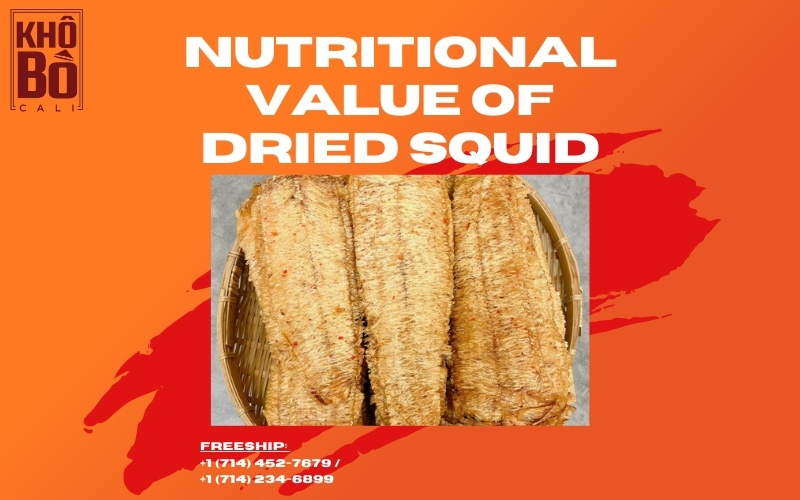
Nutritional value of dried squid
The nutritional value of dried squid is what makes this delicacy a favorite choice in many households. Packed with high-quality protein, dried squid provides an abundant source of energy for the body while also delivering essential minerals such as iron, zinc, and calcium that support strong bones and a healthy immune system.

In addition, its rich supply of B vitamins helps enhance brain function and reduce stress, making it not only a delicious snack but also a beneficial food for overall well-being.

In this article, Khô Bò CALI will walk you through the key nutrients found in just 100g of dried squid.

The Rich Nutritional Value of Dried Squid in Just 100g

Dried squid is more than just a flavorful snack it is a powerhouse of essential nutrients that provide numerous health benefits. Within only 100g, dried squid delivers a remarkable balance of protein, healthy fats, vitamins, and minerals that support energy, immunity, and overall well-being. This makes it a highly recommended food not only for everyday consumption but also for those with specific dietary needs.

Protein – A Vital Nutrient for the Body

Nutritional value of dried squid
One of the most impressive aspects of the nutritional value of dried squid is its exceptionally high protein content. With 60.1g of protein per 100g, it stands out as a top choice for individuals who need extra protein in their diets, such as athletes, gym-goers, or those on plant-based diets looking for alternative protein sources. This rich supply of protein helps in muscle building, tissue repair, and maintaining energy levels throughout the day.
Healthy Fats – Essential for Energy and Heart Health

Nutritional value of dried squid
In every 100g of dried squid, there are about 4.5g of fat, including both saturated and unsaturated fats. What makes it particularly valuable is the presence of omega-3 fatty acids, known for their role in promoting cardiovascular health, reducing inflammation, and supporting brain function.

Calories – A Moderate Energy Source

Nutritional value of dried squid
Dried squid provides approximately 291 calories per 100g, making it a moderate yet sufficient source of energy. This calorie count is balanced, offering enough fuel for daily activities without contributing to unwanted weight gain when consumed in moderation.

Essential Vitamins and Minerals

Beyond protein and fats, dried squid is packed with vital vitamins and minerals that play crucial roles in body functions:

  • Vitamin B2 (Riboflavin): Supports the conversion of carbohydrates, proteins, and fats into usable energy for cells. Interestingly, dried squid contains 3–5 times more B2 than common protein sources such as beef, chicken, or fish.

  • Calcium: While not as concentrated as in dairy products, the calcium in dried squid contributes significantly to maintaining strong bones and teeth, helping prevent osteoporosis and joint pain.

  • Iron: A key mineral for red blood cell production and oxygen transport. The iron content in dried squid helps reduce the risk of anemia and keeps the body energized.

  • Zinc: With about 3.2mg per 100g, zinc strengthens the immune system, supports cell growth, and plays a role in male reproductive health by aiding testosterone production.

  • Copper: An often-overlooked mineral, copper is essential for energy production, nervous system health, and melanin formation. Dried squid is a rich source of this trace element, helping meet daily copper requirements.

Nutritional value of dried squid
👉 In short, the nutritional value of dried squid goes far beyond its delicious taste. It provides a concentrated package of protein, healthy fats, vitamins, and minerals that can boost energy, support immunity, and promote long-term health when included as part of a balanced diet.
Important Notes When Consuming Dried Squid Daily

Although dried squid is packed with nutrients and often considered a superfood, it should be enjoyed in moderation. One of the main reasons is its relatively high levels of cholesterol and sodium, which, if consumed excessively, may lead to cardiovascular or blood pressure-related issues. For this reason, health experts recommend limiting the daily portion to around 100–150g to strike the right balance between taste and nutrition.

Nutritional value of dried squid
When looking at the impressive nutritional value of dried squid, it is clear why this delicacy has earned a place in many diets. With its rich protein content, healthy fats, and a variety of essential vitamins and minerals, just 100g can already supply a substantial amount of what the body needs to stay strong and energized. This makes dried squid an excellent food for boosting health, provided it is eaten responsibly.

In summary, dried squid truly deserves to be called a nutrient-dense food. However, the key to reaping all the benefits lies in portion control and proper preparation. By consuming it in moderate amounts and ensuring it is cooked or processed safely, you can fully enjoy the delicious flavor and the remarkable nutritional value of dried squid without having to worry about potential health risks.
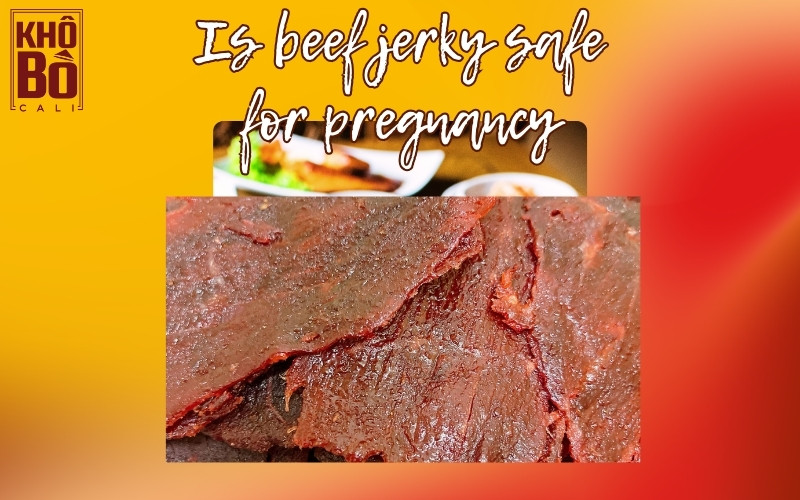
Is Beef Jerky Safe for Pregnancy? Exploring Whether Moms-to-Be Can Eat It Safely

During pregnancy, a woman’s body undergoes many changes, and she needs to follow specific nutritional guidelines while avoiding certain foods. For those who enjoy beef jerky, considering whether it is safe to consume during this period becomes an important question. Let’s explore the answer to the concern: is beef jerky safe for pregnancy in the article below

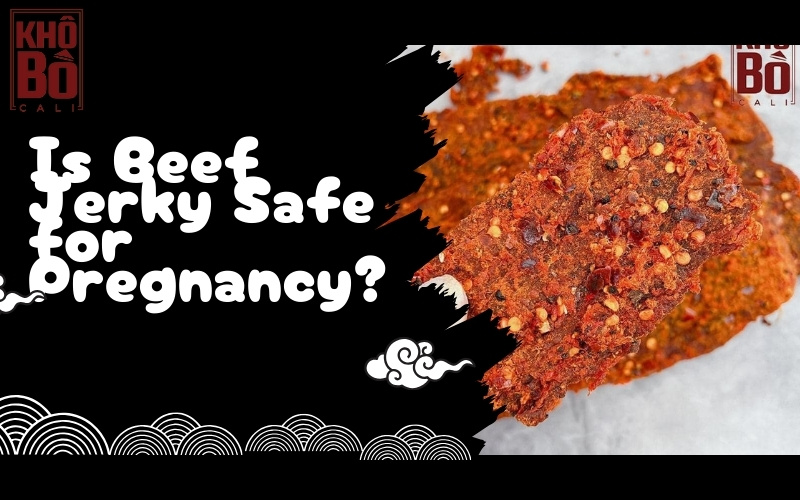
Is Beef Jerky Safe for Pregnancy?

Many expectant mothers often wonder: is beef jerky safe for pregnancy? While this snack is loved by many, it raises questions about its suitability during such a sensitive period.

Beef jerky is a popular snack, enjoyed not only on its own but also as an ingredient in various traditional dishes. Its rich flavor and convenience make it appealing, yet pregnant women need to be cautious about what they consume. According to nutrition experts, beef jerky itself does not pose significant risks to the health of the mother or the developing baby—provided it is produced, stored, and consumed under safe conditions.

Is Beef Jerky Safe for Pregnancy

To minimize risks, expectant mothers are advised to choose beef jerky from trusted brands with clear origins, proper food safety standards, and ideally, non-spicy versions to avoid discomfort. Another safer option is preparing homemade beef jerky, which allows mothers to control the ingredients, hygiene, and seasoning.

Nutritionally, beef jerky provides valuable nutrients such as iron, protein, zinc, calcium, phosphorus, selenium, vitamin B1, manganese, copper, and essential amino acids—all of which play important roles in supporting both maternal health and fetal development. Therefore, when eaten in moderation and incorporated into a balanced diet, beef jerky can contribute positively to a pregnant woman’s nutritional needs.

As one nutritionist advises: “The consumption of beef jerky during pregnancy can be safe if done properly and in moderation.”

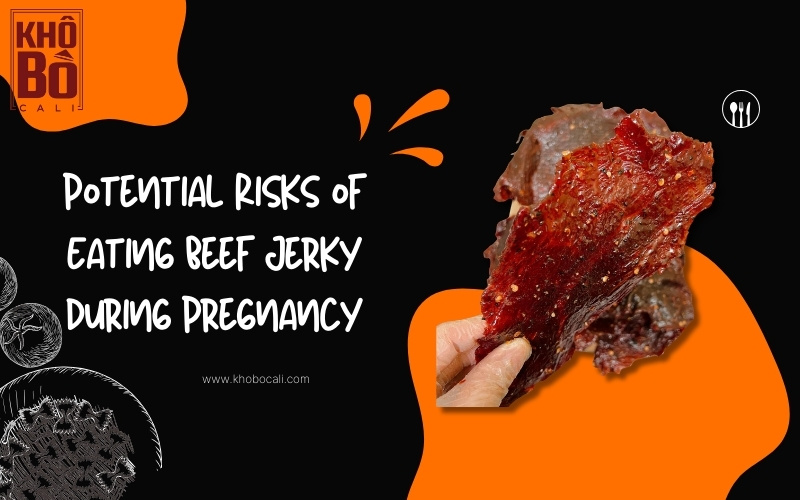
Potential Risks of Eating Beef Jerky During Pregnancy

Although it is possible for pregnant women to consume beef jerky, caution is strongly advised. Overeating this snack can lead to several health concerns that may affect both the mother and the baby. Some key risks include:

  • High salt and cholesterol content: Beef jerky is often seasoned heavily with salt and can be high in cholesterol. Excessive intake may contribute to high blood pressure, water retention, and an increased risk of cardiovascular problems during pregnancy.

  • Foodborne bacteria and parasites: If beef jerky is not properly prepared, cooked, or stored, it can become contaminated with harmful bacteria such as Listeria or parasites like Toxoplasma gondii. These infections are especially dangerous for pregnant women and may cause complications for the fetus.

  • Spicy seasonings and additives: Many types of jerky are made with chili, lemongrass, or other strong spices. While flavorful, these seasonings may irritate the stomach lining, increase acidity, or even trigger gastritis and stomach ulcers in sensitive individuals.

Is Beef Jerky Safe for Pregnancy

Nutrition experts therefore recommend that pregnant women limit their intake of beef jerky. Eating it occasionally and in small amounts may be safe, but excessive or careless consumption can pose potential risks to maternal and fetal health.

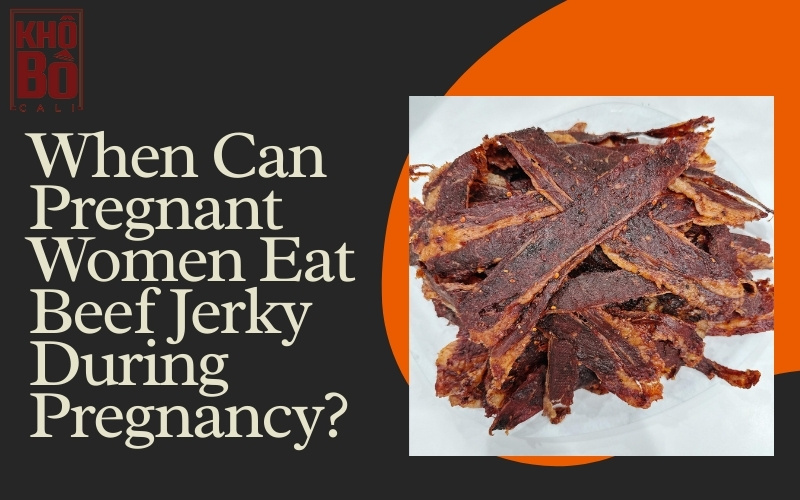
When Can Pregnant Women Eat Beef Jerky During Pregnancy?

Many expectant mothers often wonder not only when they can enjoy this snack, but also is beef jerky safe for pregnancy at different stages. In general, pregnant women can consume beef jerky at any point during pregnancy from the first trimester to the final months so long as it is eaten in moderation and prepared safely.

During pregnancy, the body undergoes numerous changes, and there may be specific times when eating beef jerky is less suitable. For example, women who struggle with nausea, heartburn, or digestive discomfort may find that spicy or heavily seasoned jerky worsens these symptoms.

Is Beef Jerky Safe for Pregnancy

The key factor is ensuring food safety. Jerky should be thoroughly cooked, hygienically prepared, and properly stored to avoid bacterial contamination. Making homemade beef jerky is often a safer choice, as it allows mothers-to-be to control the ingredients and cooking process. When buying from stores, it’s best to choose reputable brands with clear labeling, certified safety standards, and ideally milder, non-spicy versions.

Ultimately, while beef jerky can be part of a pregnancy diet if consumed carefully, every woman’s body reacts differently. If you are unsure about whether jerky is appropriate at a particular stage, consulting with a doctor or nutrition specialist is the best way to get personalized guidance.

Readmore: Can Pregnant Women Eat Beef Jerky? Everything Moms-to-Be Should Know

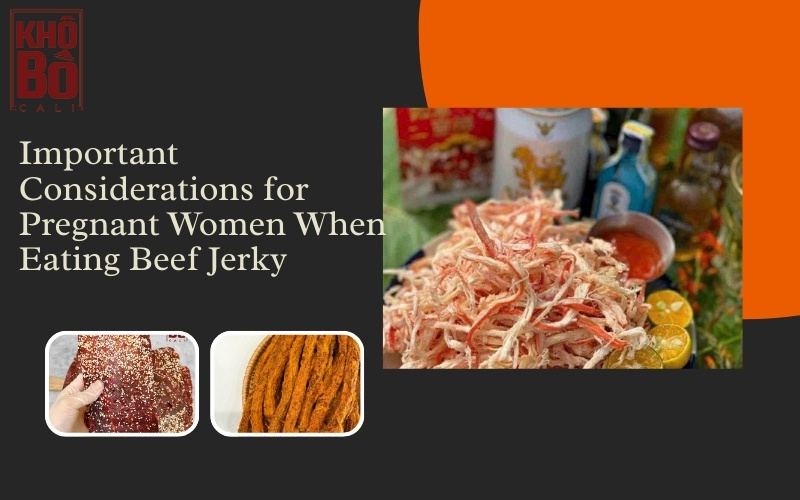
Important Considerations for Pregnant Women When Eating Beef Jerky

Many mothers-to-be often ask: is beef jerky safe for pregnancy? While the answer can be yes if consumed correctly, there are several important precautions to follow in order to protect both maternal health and the baby’s development.

Is Beef Jerky Safe for Pregnancy

1. Choose high-quality products: Always select beef jerky from trusted, reputable sources with clear labeling and transparent origins. Products should be manufactured under strict food safety standards and stored properly to reduce the risk of bacterial contamination or food poisoning.

2. Check expiration dates carefully: Before purchasing or consuming beef jerky, make sure to verify the expiration date on the packaging. Eating jerky that is past its shelf life can significantly increase the chances of harmful bacteria growth and foodborne illness.

3. Limit consumption: While beef jerky provides protein, iron, and other valuable nutrients, pregnant women should consume it in moderation. Many commercial jerky products are high in salt and cholesterol, which can contribute to high blood pressure, water retention, and potential cardiovascular concerns.

4. Avoid spicy or heavily seasoned varieties: Jerky flavored with chili, lemongrass, or excessive spices can irritate the stomach lining, trigger heartburn, or even worsen gastritis and ulcers. Choosing milder, less seasoned options is generally safer for pregnant women.

5. Ensure safe preparation and storage: If making jerky at home, proper hygiene, thorough cooking, and correct storage methods are crucial to prevent bacterial contamination and spoilage. Homemade jerky allows greater control over ingredients and seasoning, but safety measures must still be followed strictly.

6. Seek professional advice when in doubt: Because every pregnancy is unique, it’s best to consult with a doctor or nutrition specialist before including beef jerky in the diet. This ensures the safest approach for both mother and child.

In summary, for those still wondering is beef jerky safe for pregnancy, the answer is that it can be provided it is eaten occasionally, sourced from safe producers, and consumed in moderation. Adhering to food safety principles is essential to protect both the mother and the developing baby.

Frequently Asked Questions About Eating Beef Jerky During Pregnancy

Is it safe for pregnant women to eat beef jerky?

Most nutrition experts agree that consuming beef jerky during pregnancy does not pose significant risks to the health of the mother or the baby.
However, it is crucial to ensure that the jerky is of good quality, properly prepared, and safely stored to avoid contamination.

Does beef jerky provide important nutrients for the mother and baby?

Yes. Beef jerky contains several essential nutrients such as iron, protein, zinc, calcium, phosphorus, selenium, vitamin B1, manganese, copper, and amino acids.
When consumed in moderation and as part of a balanced diet, these nutrients can support both maternal health and the baby’s growth and development throughout pregnancy.

What are the potential risks of eating beef jerky during pregnancy?

Pregnant women should limit their intake of beef jerky to avoid possible health problems.
This snack is often high in salt and cholesterol, which may contribute to high blood pressure and an increased risk of cardiovascular issues.
Additionally, if jerky is not processed or stored correctly, it can become contaminated with harmful bacteria such as Listeria or parasites like Toxoplasma gondii.
Spicy varieties, especially those flavored with chili and lemongrass, may irritate the stomach, trigger heartburn, or even worsen gastritis.

What precautions should pregnant women take when eating beef jerky?

Expectant mothers should always choose jerky from reputable sources with clear labeling and safety certifications.
They should avoid products with excessive salt, cholesterol, or strong spices such as chili and lemongrass.
If preparing beef jerky at home, proper hygiene, safe cooking, and correct storage are essential to prevent foodborne illness.
In all cases, it is best to consult a doctor or nutrition specialist if there are any concerns.

Are there healthier alternatives for pregnant women to get nutrients?

Yes. In addition to beef jerky, pregnant women should diversify their diet with nutrient-rich foods.
Good options include leafy green vegetables, fresh fruits, iron-rich foods such as legumes, liver, fish, and chicken, as well as nuts, seeds, tofu, milk, and dairy products.
Maintaining a balanced and varied diet is the best way to ensure that both mother and baby receive the necessary nutrients for healthy growth and development.

Conclusion

Pregnancy is a time when every food choice matters, and even popular snacks like beef jerky require careful consideration. While beef jerky can provide valuable nutrients such as protein and iron, it also comes with potential risks if consumed in excess or prepared unsafely. By choosing high-quality products, limiting portions, and consulting with healthcare professionals, expectant mothers can enjoy peace of mind when making dietary decisions.

So, is beef jerky safe for pregnancy? The answer is that it can be provided it is consumed in moderation, sourced responsibly, and incorporated into a balanced diet that supports both mother and baby throughout the pregnancy journey.

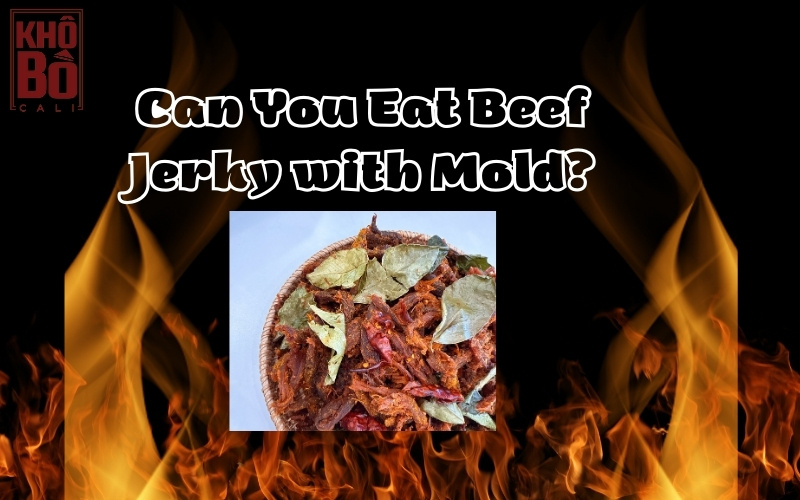
Mold on Beef Jerky: Can You Still Eat It and How to Store It Properly?

Beef jerky is a favorite snack for many thanks to its rich flavor and convenience. However, it’s not uncommon to find mold on beef jerky after storing it for some time, leaving you wondering whether it’s still safe to eat and how to prevent it from happening again. In this article, we’ll uncover the answers and share the best ways to store beef jerky properly

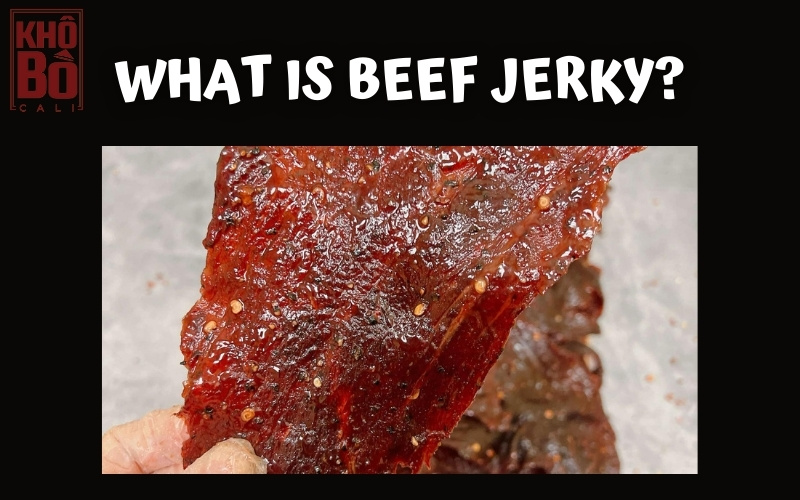
What is Beef Jerky?

Beef jerky is a popular snack made from fresh beef that goes through a process of preparation, seasoning, and drying under strict food safety standards. The cut most commonly used is the hind leg, as this part has a perfect balance of tenderness and firmness, with dense fibers and high nutritional value. Thanks to these qualities, beef jerky is not only flavorful but also packed with nutrients.

To achieve its distinctive taste, beef jerky is often marinated with a variety of traditional spices such as licorice, cinnamon, cloves, cardamom, black pepper, ginger, chili, and onions. Depending on regional traditions and family recipes, the seasoning mix may vary slightly, but the goal is always to create a harmonious blend of spicy, sweet, salty, and aromatic flavors that leave a lasting impression.

Mold on Beef Jerky

The drying process for beef jerky can be carried out in different ways. In rural areas, people often sun-dry the meat or hang it above the kitchen fire, where smoke and heat naturally dehydrate the slices. In modern production, ovens or dehydrators are used to better control temperature and ensure even drying. Regardless of the method, the key principle remains the same: remove moisture from the meat to prevent bacterial growth while retaining its natural flavor.

An important step in making beef jerky is the complete removal of fat, as fat causes the meat to spoil quickly. By trimming away the fat, the jerky stays fresh longer and maintains its appealing taste.

Beyond beef jerky, similar methods are used to create other dried meats such as buffalo jerky, venison jerky, or even pork jerky. Each type carries its own unique flavor, enriching culinary traditions and offering food lovers more diverse choices.

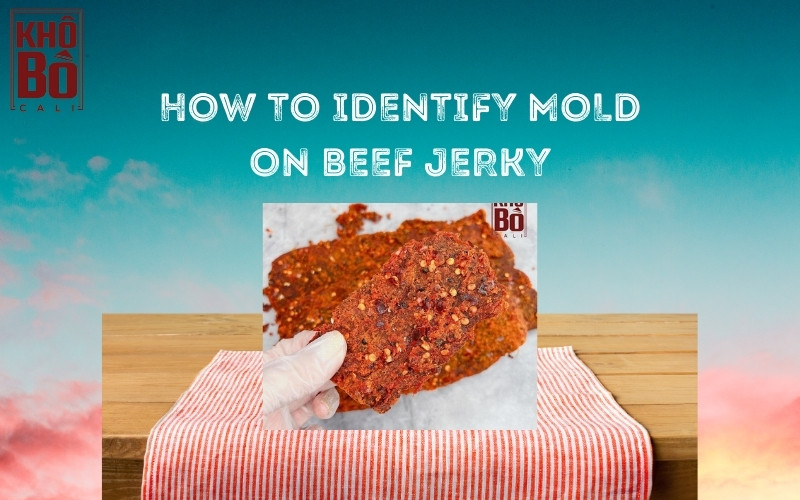
How to Identify Mold on Beef Jerky

Recognizing mold on beef jerky is usually quite simple if you know what to look for. When beef jerky becomes moldy, you will notice unusual spots and textures on its surface. Common signs include light green patches, grayish speckles, or a thin fuzzy layer that looks like tiny hair growing on the meat. These visual changes are the clearest indicators that the jerky has been contaminated by mold.

Mold on Beef Jerky

In addition to its appearance, the smell of the jerky is another important clue. Fresh, safe beef jerky usually has a smoky, savory aroma, but moldy jerky gives off an unpleasant, sour, or musty odor. In some cases, even holding it close to your nose may cause slight irritation or an itchy sensation, which is a warning sign that the product is no longer safe to consume.

If you encounter mold on beef jerky, the safest option is to discard the affected portions. Some people may attempt to salvage the edible parts by cutting away the visibly moldy sections and keeping only the unaffected pieces. However, it’s important to note that mold spores can spread beyond what is visible to the eye, so eating even the seemingly “good” part still carries a risk. For your health and safety, it’s always better to be cautious and avoid consuming jerky once any mold is detected.

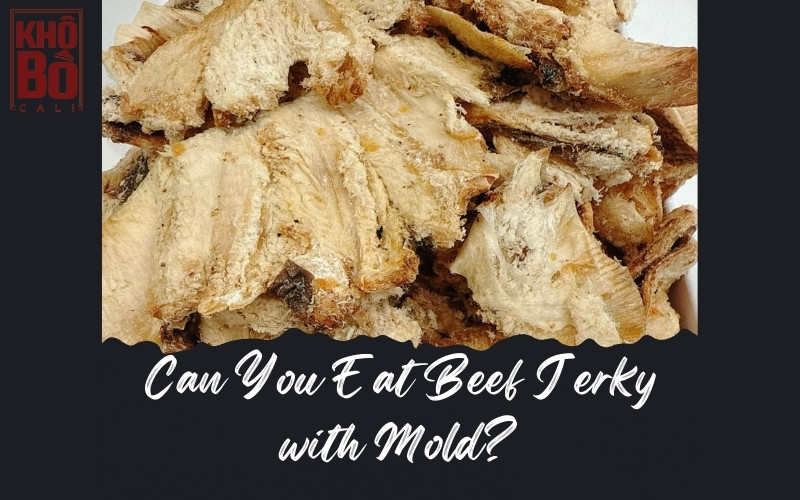
Can You Eat Beef Jerky with Mold?

A common question many people have is whether it is safe to eat beef jerky once mold appears. In reality, mold on beef jerky may not cause immediate illness at the exact moment you consume it, since mold itself does not continue to grow inside the human body. However, the real danger lies in the toxins that mold produces. These toxins, known as mycotoxins, can have serious long-term effects on your health.

Mold on Beef Jerky

Some people think it’s fine to simply scrape off the mold and continue eating the jerky, but this is a risky habit. Once mold on beef jerky is visible, there is a high chance that mold spores have already penetrated deep into the meat far beyond what the naked eye can detect. Even if you wash the meat, sun-dry it, or reheat it at high temperatures, you cannot completely remove these toxins.

The consequences of consuming contaminated jerky can be severe. Prolonged exposure to mold toxins may damage the liver and, in serious cases, increase the risk of liver cancer. For this reason, food safety experts strongly recommend discarding any jerky that shows signs of mold instead of trying to salvage it. Your health should always take priority over attempting to save a small amount of food.

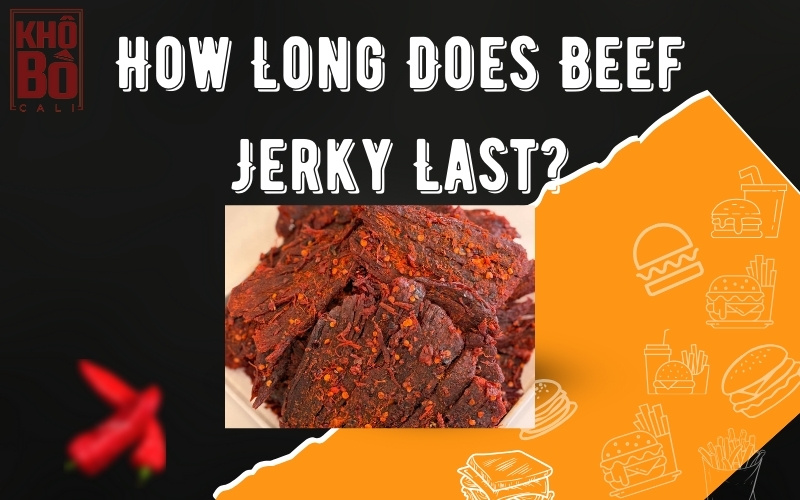
How Long Does Beef Jerky Last?

As mentioned earlier, beef jerky is made from fresh beef that has been marinated with spices and then dried, either by sun-drying or using a dehydrator. The drying process gives the meat a firm texture, a smoky aroma, and a rich, savory flavor that can be enjoyed right away. Since preparing jerky from scratch each time would be time-consuming, many people prefer to make or buy it in bulk and store it for later use.

The shelf life of beef jerky depends largely on how it is prepared and stored. Homemade jerky, when kept at normal room temperature, generally lasts about 2–3 weeks. However, if it is carefully packaged in clean, vacuum-sealed bags, it can be preserved much longer up to 4–5 months without losing too much of its flavor or texture.

Mold on Beef Jerky

Once a package of jerky has been opened, its exposure to air and moisture significantly shortens its lifespan. For the best taste and safety, it is recommended to consume opened jerky within one month. Beyond that, the texture may dry out excessively, and the flavor may deteriorate, even if it has not spoiled completely.

In short, proper packaging and storage play a vital role in extending the freshness of beef jerky. Vacuum sealing and keeping it in a cool, dry place are the best ways to maximize its shelf life while still enjoying its signature taste.

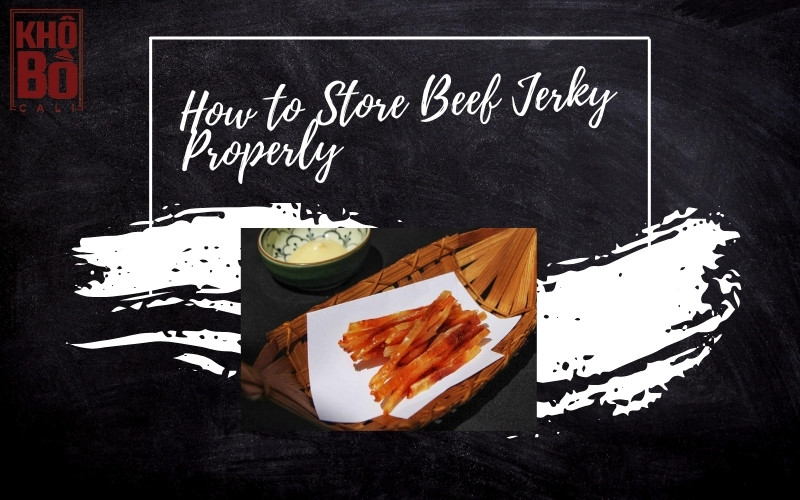
How to Store Beef Jerky Properly

Among today’s most popular snacks, beef jerky is always a favorite thanks to its rich flavor and convenience. However, like any dried food, it needs to be stored correctly to prevent spoilage and mold. There are several effective methods you can use to keep beef jerky fresh and safe for longer periods of time:

Mold on Beef Jerky

  • Keep it in a cool, dry place: Store beef jerky in an area that is well-ventilated, away from moisture, and protected from direct sunlight. Heat and humidity can quickly cause the jerky to spoil or develop mold.

  • Use airtight bags: Wrap the jerky in clean, food-safe plastic bags, squeeze out as much air as possible, and seal the bag tightly. Storing it in the refrigerator will help extend its freshness.

  • Store in sealed containers: Place jerky in a container with a tight-fitting lid and keep it in the fridge. For long-term storage, you can freeze the jerky, which helps preserve its flavor and texture for several months.

  • Divide into small portions: Separate the jerky into individual bags or containers so that each serving remains untouched until opened. This prevents frequent exposure to air and moisture, which can reduce the quality of the remaining jerky.

  • Check regularly for mold or moisture: If you notice any signs of dampness, discoloration, or mold growth, do not attempt to eat it. Discard the jerky immediately and prepare a new batch or purchase a fresh supply to avoid health risks.

By following these simple yet important storage practices, you can enjoy beef jerky at its best flavor while keeping it safe and long-lasting.

Conclusion

In summary, we’ve explored in detail whether beef jerky can still be eaten once mold appears and the best methods to preserve its freshness. While beef jerky is a delicious and convenient snack, it should always be consumed with caution. The presence of mold on beef jerky is a clear warning sign that the product is no longer safe, and no amount of cleaning, drying, or reheating can completely eliminate the risks.

By applying proper storage techniques such as vacuum sealing, refrigeration, or freezing you can extend the shelf life of beef jerky and maintain its signature flavor for longer. Remember, protecting your health is far more important than saving a piece of jerky. Always prioritize food safety, and enjoy beef jerky the way it’s meant to be: tasty, safe, and worry-free.

Readmore:

The benefits of eating beef jerky for your health

What is the best cut of meat for beef jerky

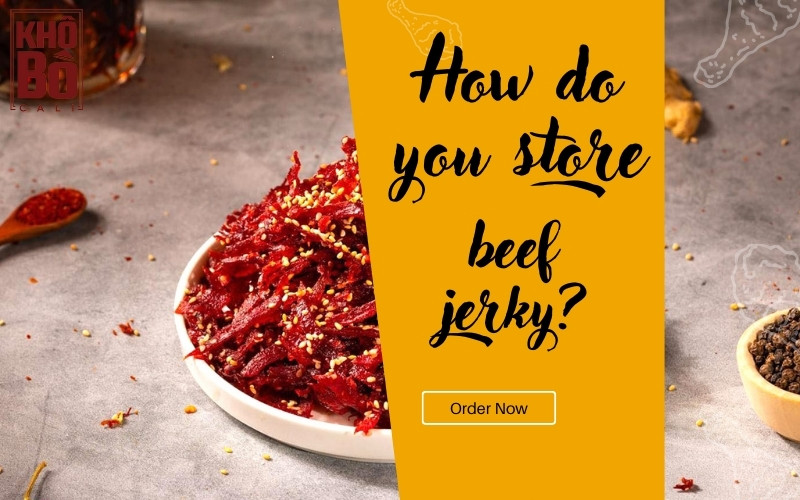
How do you store beef jerky? Here are 5 suggested ways to preserve beef jerky for longer use

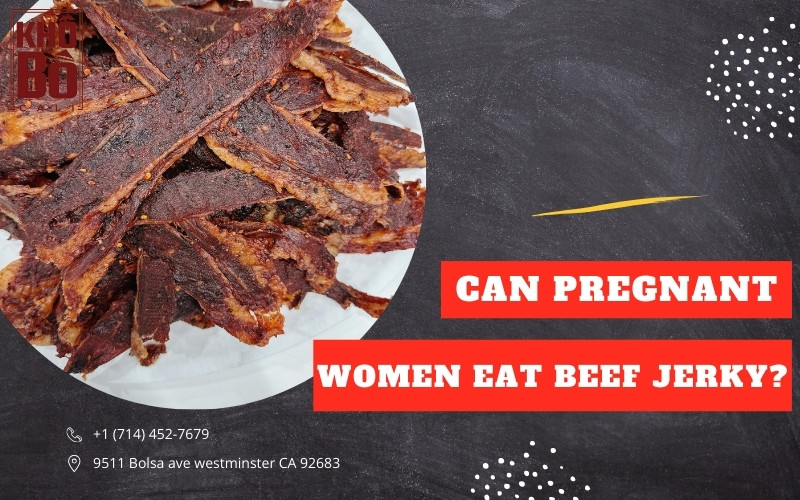
Can Pregnant Women Eat Beef Jerky? Everything Moms-to-Be Should Know

Can pregnant women eat beef jerky? Pregnancy is a special time when a mother’s diet plays a crucial role in both her health and the baby’s development. During these months, many favorite foods may need to be reconsidered, leaving moms-to-be with questions about what is safe to enjoy. For those who love the savory taste of beef jerky, this concern becomes even more important. In today’s article, Khô bò CALI will help expectant mothers find a clear answer and share tips on how to enjoy beef jerky safely during pregnancy.

Beef jerky – a flavorful snack packed with essential nutrients

Can Pregnant Women Eat Beef Jerky

Beef jerky is no longer a strange or unfamiliar food; it has become a favorite snack for many people and is often incorporated into a variety of traditional dishes. Beyond its delicious taste and convenience, beef jerky is also a powerhouse of nutrition. It provides the body with vital nutrients such as protein, iron, zinc, calcium, phosphorus, selenium, vitamin B1, manganese, copper, and a wide range of amino acids. These nutrients play an important role in maintaining energy, supporting muscle development, and strengthening the immune system, making beef jerky not only a tasty treat but also a valuable addition to a balanced diet.

Can pregnant women eat beef jerky?

Can Pregnant Women Eat Beef Jerky

In reality, enjoying beef jerky does not pose a significant risk to the health of expectant mothers or their babies, as long as it is consumed properly. The key lies in choosing high-quality products and following food safety guidelines. For moms-to-be who crave the rich, savory taste of beef jerky, preparing it at home can be a safer option, ensuring freshness, hygiene, and better control over ingredients. If purchasing from stores, it is important to select reputable brands that guarantee safe production and proper storage. Additionally, limiting heavily spiced or overly spicy varieties is recommended, as they may cause stomach discomfort. In short, beef jerky can still be part of a pregnant woman’s diet when chosen carefully, consumed in moderation, and handled with proper attention to food safety.

Why should pregnant women limit their consumption of beef jerky?

Although pregnant women can enjoy beef jerky in moderation, it is highly recommended to limit the intake for several important reasons:

First, eating too much beef jerky may increase the risk of swelling and high blood pressure due to its high sodium content. The strong spices, such as chili and lemongrass often used in beef jerky, can also create excess heat in the body and negatively affect the stomach, leading to bloating, indigestion, or in more severe cases, gastric inflammation and ulcers.

Can Pregnant Women Eat Beef Jerky

Second, if the product is not chosen carefully from a trusted source, there is a chance of consuming contaminated beef jerky that carries harmful bacteria. This can cause food poisoning, diarrhea, and other digestive problems that may weaken both the mother’s and the baby’s health.

Most importantly, consuming large amounts of unsafe beef jerky during pregnancy can increase the risk of dangerous infections. Such infections may harm fetal development, particularly in the early stages of pregnancy, where they can even lead to miscarriage. In later stages, they may result in long-term complications for the baby, including reduced brain and vision function after birth.

For these reasons, while beef jerky can be enjoyed occasionally, it should always be consumed in small portions, sourced from reputable brands, and handled with great care to ensure the safety of both mother and child.

Important precautions for pregnant women when eating beef jerky

When it comes to enjoying beef jerky during pregnancy, moderation and careful choices are key. Expectant mothers are advised to consume only lean, non-spicy varieties, limiting intake to about 3–4 times per week, with a portion size of no more than 60–100 grams each time.

For those who have the time and ability, preparing homemade beef jerky is a safer alternative. By making it yourself, you can ensure both quality and food hygiene while also adjusting the recipe to suit pregnancy needs. It is best to season the jerky lightly, use minimal salt, and avoid adding chili or overly strong spices that may irritate the stomach.

On the other hand, certain groups of pregnant women should avoid beef jerky altogether or limit it as much as possible. This includes women with infectious diseases, kidney or liver conditions, eczema, severe acne, skin irritation, high cholesterol, or weak digestion, as beef jerky could worsen these health issues.

Can Pregnant Women Eat Beef Jerky

Additionally, while popular street foods such as papaya salad with beef jerky, mango salad with beef jerky, or mixed rice paper with beef jerky are tempting and widely loved, they are not recommended for expectant mothers. This is because the beef jerky used in these dishes is sometimes made from organ meats rather than lean beef. Moreover, ingredients like unripe papaya and Vietnamese coriander (rau răm) are considered unsafe for pregnancy, as they may negatively affect both maternal health and fetal development.

In summary, pregnant women can enjoy beef jerky safely only when eaten in moderation, prepared properly, and carefully selected from reliable sources, while avoiding risky combinations that could harm themselves and their baby.

In conclusion, Khô bò CALI has carefully explored the question can pregnant women eat beef jerky and highlighted the most important precautions for expectant mothers. While beef jerky can be enjoyed in moderation, it is essential for moms-to-be to choose high-quality products, pay close attention to food safety, and avoid ingredients or preparations that may pose risks during pregnancy. By keeping these guidelines in mind, mothers can protect their own well-being while also nurturing the healthy growth and development of their babies. Remember, every choice in your diet plays a role in creating the best foundation for both mother and child.

Readmore:

The benefits of eating beef jerky for your health

What is the best cut of meat for beef jerky

5 Frequently Asked Questions About Eating Beef Jerky During Pregnancy

Does beef jerky affect the health of pregnant women and their babies?

Eating beef jerky does not cause serious harm to either the mother or the baby, as long as it is consumed in moderation, made from high-quality ingredients, and follows proper food safety standards.

Can pregnant women eat beef jerky?

Yes, pregnant women can eat beef jerky if they follow food hygiene rules and maintain a balanced diet. However, it should be consumed sparingly and only from trusted sources to reduce any potential risks.

Does beef jerky provide nutrients for pregnant women and their babies?

Absolutely. Beef jerky is rich in essential nutrients such as protein, iron, zinc, calcium, phosphorus, selenium, vitamin B1, manganese, copper, and amino acids. These nutrients support energy, immunity, and the overall development of both mother and child.

Can spicy beef jerky cause stomach problems during pregnancy?

Yes. Beef jerky that contains chili, lemongrass, or other strong spices may irritate the stomach, leading to discomfort, indigestion, or even gastritis. It is best for pregnant women to avoid overly spicy varieties to protect their digestive health.

What should be noted when making beef jerky at home?

If you choose to prepare beef jerky at home, make sure the entire process from selection of meat to seasoning, cooking, and storage is handled carefully. Reducing salt and avoiding chili are strongly recommended to ensure food safety and better suitability for pregnancy.

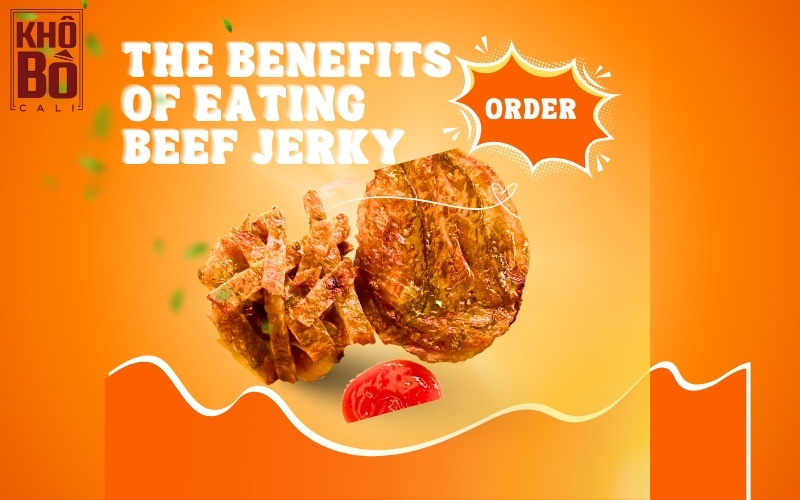
The benefits of eating beef jerky for your health

Beef jerky has long been a favorite snack for many thanks to its rich flavor and convenient use. Beyond being a tasty treat, it also serves as a quick source of protein in daily diets. Still, some people wonder whether it truly supports a healthy lifestyle. In this article, we’ll explore the benefits of eating beef jerky and uncover how this popular snack can fit into your nutrition plan.

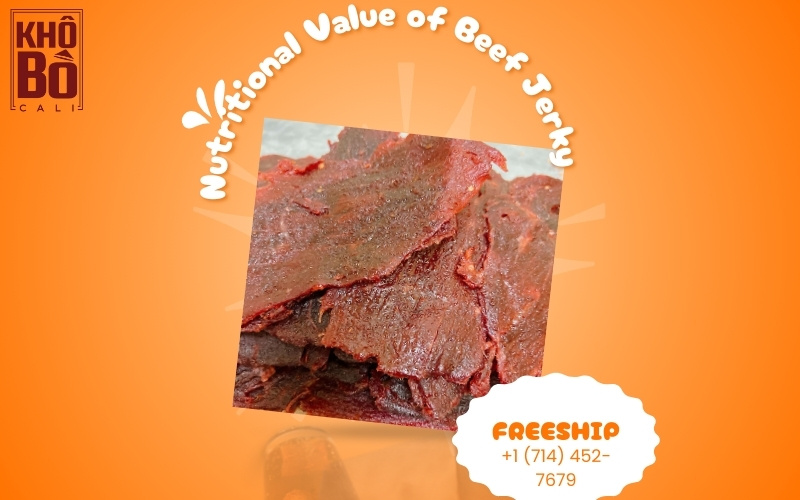
Nutritional Value of Beef Jerky

The benefits of eating beef jerky

The nutritional profile of beef jerky can vary slightly depending on the brand, the cut of beef used, and the seasoning or marinating process. However, on average, a serving size of about 28–30 grams of beef jerky provides a compact yet energy-rich source of nutrients. In one serving, you’ll typically find:

  • Calories: 116

  • Total Fat: 7.26 g

  • Sodium: 505 mg

  • Carbohydrates: 3.12 g

  • Dietary Fiber: 0.51 g

  • Added Sugar: 2.55 g

  • Protein: 9.41 g

This balance of macronutrients makes beef jerky not only a convenient snack but also a practical option for those looking to boost protein intake while keeping portion sizes small.

The Benefits of Eating Beef Jerky for Your Health

Whether beef jerky is good for your health largely depends on how it is prepared. In most cases, beef jerky is made from lean cuts of dried beef that are naturally rich in protein, zinc, and iron—three nutrients that play a vital role in overall wellness.

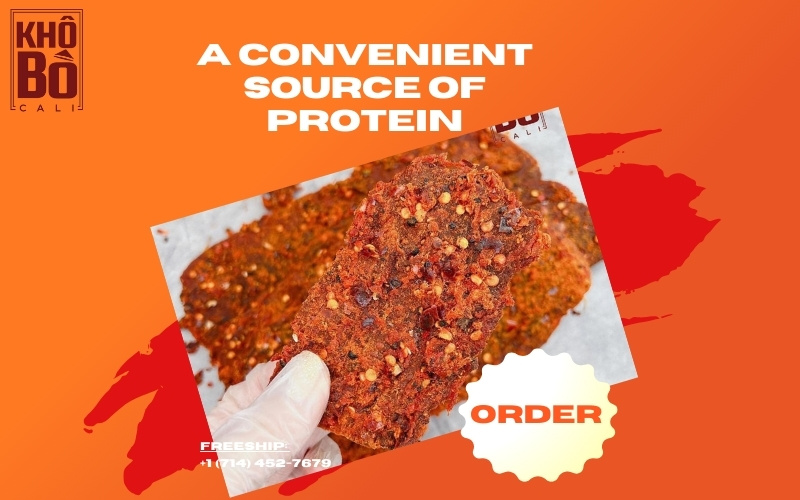
A Convenient Source of Protein

Getting enough protein throughout the day can sometimes be a challenge, especially for people who are constantly on the go. Beef jerky makes this easier, as it is a portable, ready-to-eat snack packed with protein.

Protein is an essential macronutrient responsible for repairing and building cells, while also supporting strong bones, muscles, and healthy skin. Unlike carbohydrates and fats, your body cannot store protein for later use, which means you need a consistent intake every day to stay healthy.

The benefits of eating beef jerky

The amount of protein you need varies depending on factors such as age, sex, body weight, and physical activity level. Many nutrition experts recommend that protein should make up about 10% to 35% of your daily calorie intake. For instance, someone consuming around 2,000 calories per day might aim for about 100 grams of protein, equal to roughly 400 calories. A standard 28–30 gram serving of beef jerky can provide nearly 10% of that daily protein goal, making it a smart option for supplementing your diet.

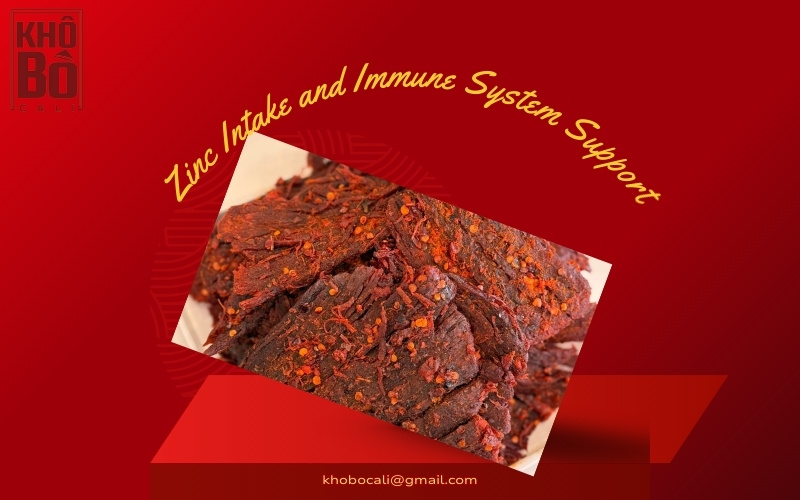
Zinc Intake and Immune System Support

A single 30-gram serving of beef jerky can provide nearly one-quarter of the daily recommended intake of zinc, making it a surprisingly powerful source of this essential mineral. Zinc plays a critical role in strengthening the immune system, supporting wound healing, and aiding in the body’s ability to fight off infections.

The benefits of eating beef jerky

What makes beef jerky particularly beneficial is that zinc from animal-based foods, such as beef, is more easily absorbed by the body compared to zinc from plant-based sources. This means your body can make better use of the zinc it receives. Still, while beef jerky offers a convenient boost, nutrition experts emphasize that the best approach is to obtain zinc from a variety of foods as part of a balanced diet. By combining beef jerky with other nutrient-rich options, you can help ensure your immune system functions at its best.

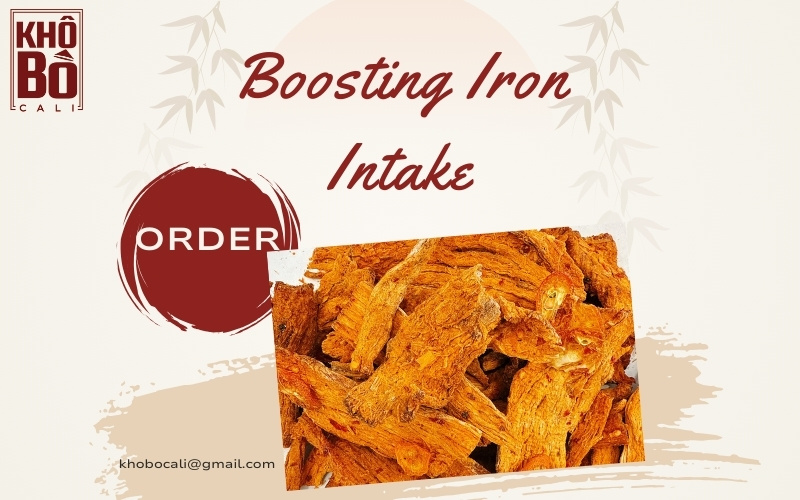
Boosting Iron Intake

Beef jerky has been identified in research as a notable source of heme iron, the type of iron found in animal-based foods that the body can absorb far more efficiently than non-heme iron from plant sources. Iron plays an essential role in transporting oxygen throughout the body, ensuring that organs, tissues, and muscles receive the fuel they need to function properly.

The benefits of eating beef jerky

Iron deficiency is one of the most common nutritional deficiencies worldwide, particularly among women due to factors such as menstruation, pregnancy, and higher nutrient demands. Symptoms of low iron can include fatigue, weakness, poor concentration, and reduced immunity. Incorporating beef jerky into your diet can provide a convenient and concentrated source of heme iron, helping reduce the risk of deficiency and supporting overall vitality.

While beef jerky can contribute meaningfully to iron intake, it’s most effective when included as part of a varied and balanced diet that contains other iron-rich foods.

What to Keep in Mind When Eating Beef Jerky

While beef jerky is a convenient source of protein, zinc, and iron, it also comes with certain health considerations most notably its sodium content. Excess sodium can cause bloating, water retention, and contribute to weight gain. During the drying process, manufacturers often add salt to preserve the meat and prevent spoilage. As a result, just one serving of beef jerky can contain around 20% of the recommended daily sodium intake for adults. Over time, high sodium consumption has been linked to elevated risks of hypertension, cardiovascular disease, osteoporosis, and kidney stones.

Another concern is the use of preservatives, such as sodium nitrite, commonly found in processed meats. Consuming these in large amounts may increase the likelihood of developing heart disease. Since beef jerky is classified as processed red meat, several studies suggest a connection between high consumption and a greater risk of type 2 diabetes, certain cancers, and heart disease. For this reason, health experts recommend eating beef jerky in moderation, as part of a balanced diet rich in whole foods and plant-based nutrients.

The benefits of eating beef jerky

In fact, research shows that replacing some red meat with plant-based protein sources can lower LDL (“bad”) cholesterol and reduce cardiovascular risk factors. For those looking to cut back on red meat, there are plant-based alternatives to beef jerky such as dried mushrooms which provide a similar chewy texture and umami flavor.

When buying beef jerky, always check the ingredient label carefully. Some brands may include common allergens, such as soy or barley malt extract (a source of gluten). Proper storage is equally important: keep beef jerky sealed in an airtight package and in a cool, dry place. Only consume jerky that is within its expiration date and shows no signs of spoilage such as mold, discoloration, off-odors, or unusual texture.

By keeping these factors in mind, you can enjoy beef jerky as part of your diet without compromising your health.

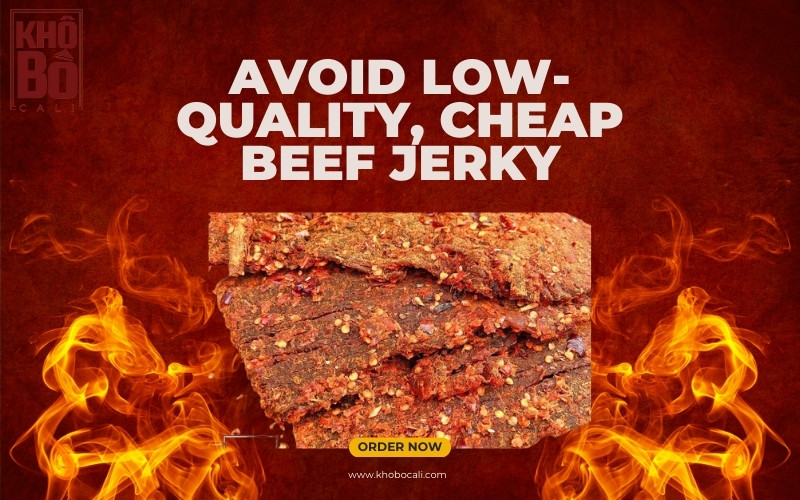
Avoid Low-Quality, Cheap Beef Jerky

In today’s market, a wide range of beef jerky products is available, but not all of them meet proper safety and quality standards. Low-priced, mass-produced jerky often raises concerns about questionable ingredients, poor processing methods, or inadequate hygiene during production. Choosing such products may seem economical at first, but they can pose serious health risks in the long run.

The benefits of eating beef jerky

Consuming low-quality beef jerky may expose you to harmful additives, excessive preservatives, or even unsafe levels of contaminants. These hidden dangers can lead to digestive issues, foodborne illnesses, or more severe health complications over time. For this reason, it is essential to be cautious when purchasing beef jerky always check the source, look for reputable brands, and ensure that the product has clear labeling, proper packaging, and valid expiration dates.

Spending a little more on high-quality jerky not only ensures better taste and texture but also protects your well-being. Your health is far more valuable than the short-term savings of buying cheap, unreliable products.

Readmore: 

What is the best cut of meat for beef jerky

How do you store beef jerky? Here are 5 suggested ways to preserve beef jerky for longer use

Does Beef Jerky Expire? Everything You Need to Know Before Eating It

Where to Buy High-Quality, Authentic Beef Jerky?

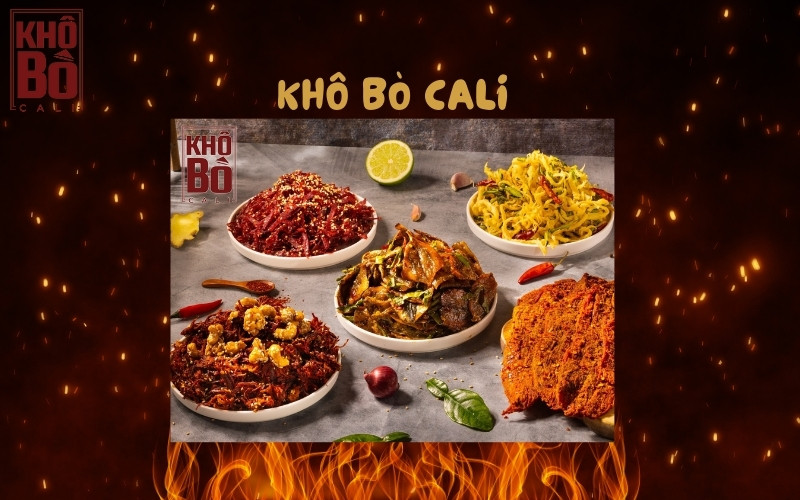
If you are looking for premium beef jerky made with care, Khô bò CALI is a trusted choice that has been perfected over more than 40 years of tradition. Crafted from freshly slaughtered beef to ensure 100% freshness, only the finest cuts are selected lean, large pieces with long muscle fibers that guarantee both the right chewiness and a visually appealing texture. After trimming away excess fat, the beef is marinated with a rich blend of spices, then dried using time-honored techniques and the skill of experienced artisans. The result is tender, flavorful jerky with an irresistible deep reddish-brown color.

The benefits of eating beef jerky

Unlike jerky slices, Khô bò CALI’s shredded beef jerky is seasoned to be spicier and more intensely flavored, making it especially convenient for snacking on the go. It is not just a delicious treat to enjoy with family and friends on weekends; it also pairs perfectly with salads, rice paper rolls, or other creative dishes. Beyond being a versatile snack, Khô bò CALI makes a meaningful gift a taste of home for those living abroad or a premium present for festive occasions such as Lunar New Year.

What sets Khô bò CALI apart is its commitment to quality and food safety. The jerky is produced in a closed, carefully controlled process without the use of preservatives. Every batch is consistent in flavor, aroma, and texture, offering both peace of mind and unforgettable taste.

For purchase inquiries or consultation, please contact us directly at:
📞 +1 (714) 452-7679 / +1 (714) 234-6899

Cá bò khô có ngon không? Giá trị dinh dưỡng và lưu ý khi thưởng thức

Bạn đã từng thưởng thức cá bò khô chưa? Món ăn vặt dân dã này chinh phục người ăn nhờ vị dai ngọt tự nhiên, mùi thơm đặc trưng và sự tiện lợi khi chế biến. Không chỉ góp mặt trong các buổi nhậu vui vẻ, cá bò khô còn được nhiều người lựa chọn làm món ăn vặt khoái khẩu cho cả gia đình.

Thế nhưng, câu hỏi đặt ra là: cá bò khô có ngon không, mang lại giá trị dinh dưỡng gì và cần lưu ý những gì khi sử dụng? Hãy cùng tìm hiểu chi tiết trong bài viết dưới đây để bạn có cái nhìn đầy đủ hơn trước khi lựa chọn loại thực phẩm này.

Hương vị và đặc điểm nổi bật của cá bò khô

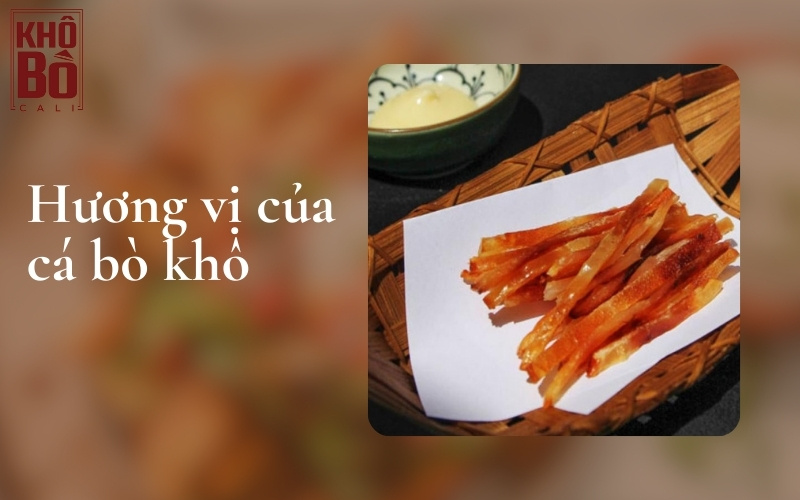
Cá bò khô từ lâu đã trở thành một trong những món đặc sản biển được nhiều tín đồ ẩm thực yêu thích. Điểm khiến loại cá này trở nên đặc biệt chính là hương vị vừa quen vừa lạ: thịt cá sau khi chế biến có màu trắng hồng tự nhiên, khi ăn cảm nhận rõ độ dai dai, ngọt thanh, hơi giống thịt gà nhưng lại có mùi thơm đặc trưng của hải sản. Chính sự kết hợp này mang lại trải nghiệm ẩm thực thú vị, khiến người ăn dễ “ghiền” ngay từ lần đầu thưởng thức.

Một ưu điểm nổi bật khác là xương sụn mềm, giúp người ăn dễ dàng nhâm nhi mà không lo bị vướng hay hóc xương cứng như nhiều loại cá khác. Điều này không chỉ tạo sự tiện lợi mà còn khiến cá bò khô trở thành món ăn vặt hấp dẫn cho cả người lớn lẫn trẻ nhỏ.

Cá bò khô

Không chỉ ngon miệng, cá bò khô còn giàu giá trị dinh dưỡng. Trong từng thớ thịt khô là nguồn protein dồi dào, giúp bổ sung năng lượng cho cơ thể. Ngoài ra, cá còn chứa nhiều khoáng chất thiết yếu như canxi, sắt, kẽm, hỗ trợ tốt cho hệ xương, máu và sức đề kháng. Vì vậy, thưởng thức cá bò khô vừa thỏa mãn vị giác vừa mang lại lợi ích cho sức khỏe nếu biết dùng đúng cách.

Khi chọn mua, bạn nên ưu tiên những miếng cá có màu sắc tươi sáng, hồng nhẹ tự nhiên, mùi thơm đặc trưng và thớ thịt dày, chắc. Tránh xa những sản phẩm có dấu hiệu ẩm mốc, mùi lạ hoặc màu sắc loang lổ không đồng đều, bởi đây có thể là dấu hiệu của hàng kém chất lượng hoặc đã để lâu ngày. Việc lựa chọn kỹ lưỡng sẽ giúp bạn không chỉ an tâm về độ an toàn thực phẩm mà còn đảm bảo được hương vị trọn vẹn khi thưởng thức.

Giá trị dinh dưỡng của cá bò khô

Không chỉ hấp dẫn bởi hương vị thơm ngon, cá bò khô còn là nguồn thực phẩm mang đến nhiều dưỡng chất quan trọng cho cơ thể. Trong mỗi miếng cá nhỏ bé ấy chứa đựng sự cân bằng giữa năng lượng, protein, vitamin và khoáng chất – những yếu tố cần thiết để duy trì một cơ thể khỏe mạnh và tràn đầy sức sống.

Nguồn năng lượng và protein dồi dào

Cá bò khô
Cá bò khô cung cấp nguồn năng lượng và protein dồi dào

Trong 100g cá bò khô có thể cung cấp khoảng 290 calo, phù hợp để bổ sung năng lượng cho các hoạt động thường ngày. Đặc biệt, lượng protein cao trong cá bò khô giúp tái tạo và phát triển cơ bắp, hỗ trợ quá trình trao đổi chất, đồng thời mang lại cảm giác no lâu, rất thích hợp cho người có chế độ ăn kiểm soát cân nặng.

Dồi dào vitamin và khoáng chất thiết yếu

Cá bò khô
Cá bò khô giàu vitamin D, vitamin B12, vitamin E, cùng nhiều khoáng chất quan trọng như canxi, sắt, kẽm

Cá bò khô không chỉ ngon miệng mà còn giàu vitamin D, vitamin B12, vitamin E, cùng nhiều khoáng chất quan trọng như canxi, sắt, kẽm. Những dưỡng chất này đóng vai trò quan trọng trong việc:

  • Tăng cường hệ miễn dịch, giúp cơ thể chống lại bệnh tật.

  • Bổ sung canxi cho xương chắc khỏe, hạn chế loãng xương ở người lớn tuổi.

  • Cung cấp sắt hỗ trợ tạo máu, ngăn ngừa tình trạng thiếu máu.

  • Kẽm giúp cải thiện chức năng sinh lý, tăng cường sức đề kháng và làm đẹp da.

Chất béo tốt và Omega-3 có lợi cho tim mạch

Cá bò khô
Chất béo tốt và Omega-3 có lợi cho tim mạch

Mặc dù là thực phẩm khô, cá bò khô lại có hàm lượng chất béo thấp, phù hợp cho người cần kiểm soát mỡ máu. Đặc biệt, trong cá còn chứa axit béo Omega-3, một thành phần được chứng minh có khả năng giảm nguy cơ bệnh tim mạch, hỗ trợ hoạt động của não bộ và tăng cường trí nhớ.

Lưu ý khi sử dụng cá bò khô

Tuy giàu dinh dưỡng, cá bò khô lại chứa hàm lượng muối khá cao do quá trình chế biến. Vì vậy, bạn nên ăn ở mức vừa phải để tránh gây ảnh hưởng đến huyết áp và chức năng thận. Đặc biệt, phụ nữ mang thai được khuyến nghị nên hạn chế sử dụng loại thực phẩm này nhằm đảm bảo an toàn cho cả mẹ và thai nhi.

Một số món ăn hấp dẫn chế biến từ cá bò khô

Không chỉ là món ăn vặt thơm ngon, cá bò khô còn là nguyên liệu tuyệt vời để chế biến nhiều món ăn hấp dẫn, phù hợp cho mọi dịp từ nhâm nhi cùng bạn bè đến bữa cơm gia đình. Dưới đây là một số cách chế biến cá bò khô mà bạn có thể thử tại nhà để tận hưởng trọn vẹn hương vị đặc sản biển này:

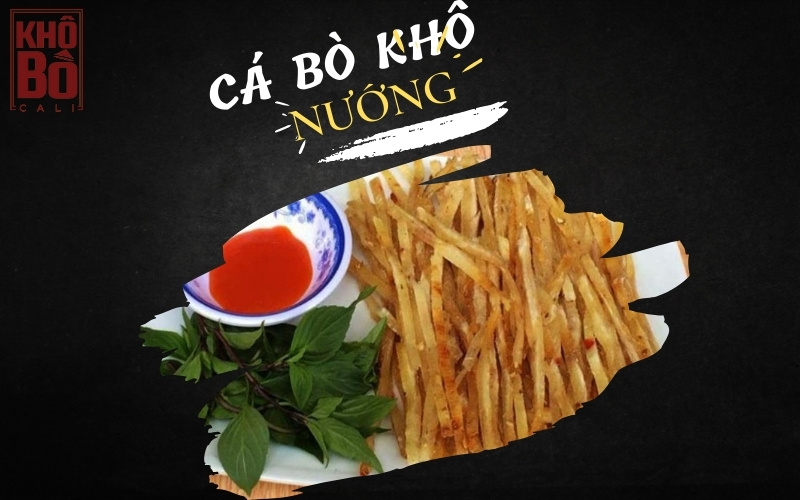
Cá bò khô nướng

Trong số các cách chế biến, cá bò khô nướng là một trong những phương pháp đơn giản nhưng vẫn giữ được trọn vẹn hương vị nguyên bản. Khi nướng, miếng cá dậy lên mùi thơm đặc trưng, thịt săn chắc, vị ngọt thanh tự nhiên, không quá dai mà vẫn tạo cảm giác thú vị khi nhai. Đây là món ăn lý tưởng để thưởng thức cùng tương ớt, muối tiêu chanh, hoặc đơn giản là nhâm nhi cùng bia trong những buổi tụ tập bạn bè.

Cá bò khô
Cá bò khô nướng không chỉ dễ chế biến mà còn giữ nguyên được giá trị dinh dưỡng vốn có trong cá

Cách thực hiện:

  • Bạn có thể nướng cá bò khô trên bếp than hồng để đạt được hương vị thơm ngon nhất. Nếu không có bếp than, có thể thay thế bằng bếp ga, lò nướng, hoặc thậm chí dùng đốt cồn 90 độ trên đĩa sứ để nướng trực tiếp.

  • Khi nướng, nhớ lật đều tay để cá chín đều, tránh bị cháy xém. Khi miếng cá bắt đầu tỏa hương thơm và chuyển sang màu vàng nâu nhẹ, đây là lúc cá đạt độ chín hoàn hảo và sẵn sàng thưởng thức.

  • Mẹo nhỏ: Trước khi nướng, bạn có thể phết một lớp dầu mè hoặc bơ lên bề mặt cá để tăng độ béo, làm dậy mùi thơm và tạo vị đậm đà hơn.

Cá bò khô nướng không chỉ dễ chế biến mà còn giữ nguyên được giá trị dinh dưỡng vốn có trong cá, đặc biệt là protein, vitamin và khoáng chất. Chính sự kết hợp giữa hương vị thơm ngon, độ dai vừa phải và cách thưởng thức linh hoạt đã giúp món ăn này trở thành lựa chọn yêu thích của nhiều người.

Cá bò khô rim me chua ngọt

Một trong những cách chế biến cá bò khô hấp dẫn nhất phải kể đến cá bò khô rim me chua ngọt. Món ăn này gây ấn tượng bởi sự hòa quyện tinh tế giữa vị chua dịu của me, vị mặn đặc trưng của cá bò khô và vị ngọt thanh của đường, tạo nên một bữa ăn vừa ngon miệng vừa kích thích vị giác, thích hợp dùng trong các bữa cơm gia đình hay nhâm nhi cùng bạn bè.

Cá bò khô
Cá bò khô rim me chua ngọt gây ấn tượng bởi sự hòa quyện tinh tế giữa vị chua dịu của me

Cách thực hiện:

  1. Chuẩn bị nguyên liệu: Bạn cần có cá bò khô, nước cốt me, đường, tỏi băm, ớt, nước mắm và dầu ăn với lượng vừa đủ, đảm bảo cân bằng hương vị.

  2. Sơ chế cá: Cá bò khô nên được nướng sơ hoặc rang nhẹ để dậy mùi thơm, sau đó xé thành từng miếng nhỏ vừa ăn, giúp cá dễ ngấm gia vị hơn.

  3. Pha chế nước sốt me: Hòa nước cốt me với đường, nước mắm, tỏi băm và ớt băm để tạo thành hỗn hợp sốt chua ngọt đậm đà.

  4. Rim cá: Phi thơm tỏi với một chút dầu trong chảo, sau đó cho hỗn hợp sốt me vào, đun nhẹ cho đến khi nước sốt hơi sánh và sôi lăn tăn. Tiếp theo, cho cá bò khô vào chảo, đảo đều tay để từng miếng cá thấm đều sốt và bám xung quanh, đến khi nước sốt quyện vừa phải là hoàn tất.

Mẹo nhỏ: Nếu bạn muốn món ăn có độ sánh mịn hơn, có thể pha thêm một chút bột năng vào nước sốt, vừa tạo kết cấu đẹp mắt, vừa giúp sốt bám đều hơn trên từng miếng cá.

Cá bò khô rim me chua ngọt không chỉ giữ được hương vị tự nhiên của cá mà còn tăng thêm sự hấp dẫn nhờ nước sốt đậm đà, chua – ngọt – mặn hài hòa. Món ăn này chắc chắn sẽ khiến bữa cơm gia đình thêm phần phong phú và kích thích vị giác của mọi thành viên.

Gỏi xoài cá bò khô

Gỏi xoài cá bò khô là món ăn vặt được nhiều người yêu thích, nổi bật với sự kết hợp hài hòa giữa vị chua giòn của xoài xanh, vị dai ngọt tự nhiên của cá bò khô và nước mắm trộn chua ngọt đậm đà. Món ăn này không chỉ thơm ngon mà còn mang đến trải nghiệm ẩm thực tươi mát, kích thích vị giác, rất phù hợp cho những buổi tụ tập bạn bè hoặc làm món khai vị cho bữa cơm gia đình.

Cá bò khô
Gỏi xoài cá bò khô là món ăn vặt được nhiều người yêu thích

Cách thực hiện:

  1. Chuẩn bị nguyên liệu: Bạn cần xoài xanh (nên chọn loại chua nhẹ, giòn), cá bò khô, rau răm tươi, đậu phộng rang, nước mắm, đường, tỏi, ớt và nước cốt chanh.

  2. Sơ chế cá bò khô: Nướng sơ cá trên bếp than hoặc chảo khô để dậy mùi thơm, sau đó xé thành từng miếng nhỏ vừa ăn, giúp cá dễ thấm gia vị khi trộn gỏi.

  3. Chuẩn bị xoài: Gọt vỏ xoài và dùng dụng cụ nạo hoặc bào để cắt xoài thành những sợi mỏng, giữ được độ giòn, tươi mát tự nhiên.

  4. Pha nước mắm trộn gỏi: Hòa tan nước mắm với đường, tỏi băm, ớt băm và nước cốt chanh, tạo ra hỗn hợp chua ngọt vừa miệng, cân bằng hoàn hảo với vị mặn của cá và vị chua của xoài.

  5. Trộn gỏi: Cho tất cả nguyên liệu vào một tô lớn, trộn đều tay để nước mắm ngấm đều xoài và cá. Thêm rau răm thái nhỏ để tăng mùi thơm và rắc đậu phộng rang lên trên để tạo độ bùi béo, hấp dẫn cả thị giác lẫn vị giác.

Mẹo nhỏ: Nếu bạn yêu thích vị cay nồng, có thể thêm một chút tương ớt vào nước mắm trộn gỏi để món ăn trở nên đậm đà và kích thích hơn.

Gỏi xoài cá bò khô không chỉ là món ăn giải khát, ăn vặt lý tưởng mà còn mang đến sự cân bằng giữa hương vị chua – ngọt – mặn – béo, tạo nên trải nghiệm thưởng thức đầy thú vị và khó quên. Đây chắc chắn là món ăn mà bất kỳ tín đồ của cá bò khô nào cũng nên thử ít nhất một lần.

Kết luận

Cá bò khô không chỉ là món ăn vặt thơm ngon, hấp dẫn mà còn mang đến nhiều giá trị dinh dưỡng quan trọng như protein, vitamin và khoáng chất, giúp bổ sung năng lượng và duy trì sức khỏe. Từ việc thưởng thức trực tiếp đến chế biến thành các món nướng, rim me hay gỏi xoài, cá bò khô luôn mang lại trải nghiệm ẩm thực thú vị, phù hợp với nhiều khẩu vị và dịp khác nhau.

Tuy nhiên, để tận hưởng trọn vẹn hương vị và lợi ích sức khỏe, bạn nên lựa chọn cá bò khô từ những địa chỉ uy tín, đảm bảo chất lượng và an toàn thực phẩm. Bên cạnh đó, việc bảo quản đúng cách và sử dụng với lượng vừa phải cũng rất quan trọng, tránh ảnh hưởng đến huyết áp và chức năng thận, đặc biệt với những người nhạy cảm hoặc phụ nữ mang thai.

Hy vọng rằng qua bài viết này, bạn đã có cái nhìn tổng quan về cá bò khô, từ hương vị, giá trị dinh dưỡng đến những món ăn ngon có thể chế biến từ loại đặc sản biển này, để tự tin lựa chọn và thưởng thức một cách trọn vẹn.

Xem thêm: Cách làm cá cơm sấy giòn tẩm gia vị bằng máy sấy hoa quả mini, thơm ngon chuẩn vị tại nhà

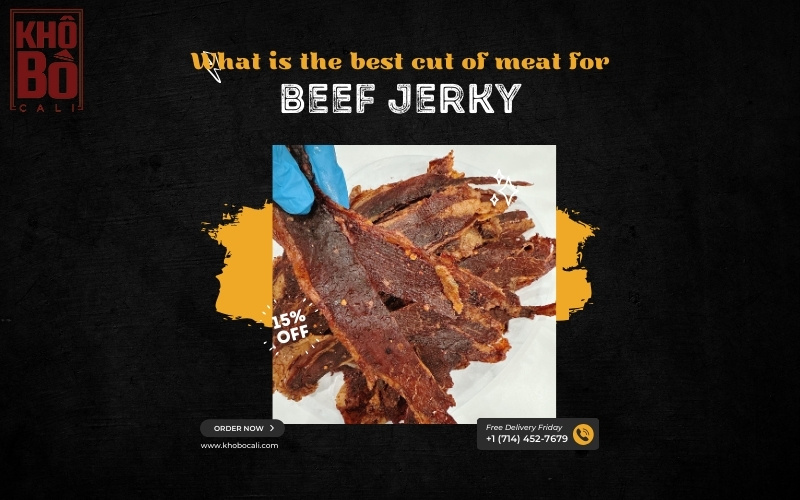
What is the best cut of meat for beef jerky

Making beef jerky at home is not only a fun project but also a great way to create clean, protein-packed snacks for you and your family. It can even turn into thoughtful homemade gifts for friends, especially when experimenting with unique options like venison or moose meat. But before you dive in, you might be wondering: what is the best cut of meat for beef jerky? With so many choices at the butcher counter, it can feel overwhelming. That’s where Khô bò CALI step into guide you toward the perfect cut and help you craft jerky that’s both delicious and high quality right from your own kitchen.

What is the best cut of meat for beef jerky

When it comes to making beef jerky, the single most important factor to remember is this: always choose lean cuts of beef. Fat may taste wonderful in a steak, but when it comes to jerky, it’s a problem. Fat doesn’t dehydrate properly, which means it can leave your jerky greasy, chewy in all the wrong ways, or worse cause it to spoil quickly with an unpleasant rancid flavor. So, while rib-eye steaks with their rich marbling, tender filet mignon, or a juicy tri-tip roast might tempt you at the butcher counter, those cuts are far better suited for grilling, smoking, or braising.

What is the best cut of meat for beef jerky

For jerky, your focus should shift toward the leanest cuts available. Popular choices include top round, bottom round, eye of round, and sirloin tip, all of which strike the perfect balance between flavor and texture without carrying excess fat. These cuts are affordable, easy to slice thinly, and dehydrate into a firm but flavorful jerky. Another excellent option is flank steak, which, although slightly pricier, delivers a bold beef flavor and great chew when prepared correctly.

One of the reasons many jerky enthusiasts love experimenting with wild game such as venison, elk, or moose is because these meats are naturally leaner than commercially raised beef. Not only does that make them ideal for jerky, but they also bring unique flavors that elevate the final product far beyond traditional beef jerky. Whether you’re sticking with beef or branching out into wild game, the golden rule remains the same: lean cuts will always give you the best jerky.

Criteria for Choosing a Cut of Meat for Beef Jerky

When selecting the right cut of beef for jerky, one rule stands above the rest: look for lean meat. Fat may enhance the taste of a steak, but when it comes to jerky, fat becomes your enemy. It doesn’t dehydrate properly, can cause uneven drying, and often leads to a greasy texture or unpleasant rancid flavors over time. That’s why cuts with heavy marbling like brisket may not be the best choice, despite their appealing grain. Instead, opt for leaner alternatives such as flank steak, skirt steak, top round, or eye of round, which all provide excellent texture and flavor once dried.

Another important tip is to build a relationship with your local butcher. Most butchers are more than familiar with jerky making and often enjoy it themselves. They’ll know exactly which cuts are the leanest and freshest, and they can guide you toward options that may not even be on display in the case. Don’t be afraid to ask they’ll likely be happy to share recommendations and tricks to help you make the best jerky possible.

What is the best cut of meat for beef jerky

In fact, many butchers will even go the extra mile by trimming away excess fat and slicing the meat for you using a commercial-grade meat slicer. This not only saves you time and effort but also ensures that your slices are uniform in thickness. Consistent slices are essential for jerky making because they dry evenly, preventing a situation where some pieces are over-dried while others remain too moist.

Of course, if you prefer a hands-on approach, you can slice the meat yourself at home with a sharp knife. Just remember that this method requires patience, precision, and a steady hand. Freezing the beef slightly beforehand can make it easier to cut uniform slices. Whether you do it yourself or rely on a butcher’s expertise, keeping the focus on lean cuts and consistent slicing will set you up for jerky-making success.

Tips for Buying Meat for Beef Jerky

When it comes to selecting the best meat for homemade jerky, it helps to start by looking at what professional jerky makers often use. Their choices provide a reliable foundation and can guide you toward cuts that deliver the right balance of leanness, flavor, and texture for your own recipes. Below are some of the most popular and effective options, each with its own unique advantages.

Top Round

What is the best cut of meat for beef jerky

One of the most common cuts used in commercial jerky production is top round. Taken from the upper section of the hind legs (also known as inside round or London Broil), this cut is prized for being both lean and affordable. It has a very distinct grain that makes it easy to slice into jerky strips, though if cooked as a steak it would require slow, low-temperature cooking to prevent toughness. For jerky, however, that grain becomes a strength, creating firm yet satisfying bites.

Eye of Round

What is the best cut of meat for beef jerky

Another excellent option is eye of round, which comes from the same section of the animal as the top round. It’s shaped in a way that makes slicing for jerky almost effortless. Eye of round has very little fat and pronounced muscle fibers, which help it dehydrate consistently. While it may not carry quite as much natural flavor as top round, it is leaner than bottom round and works wonderfully with bold marinades. In fact, eye of round is often the go-to for anyone who likes to load their jerky with seasoning, spices, and smoky flavors.

Bottom Round

What is the best cut of meat for beef jerky

Bottom round, the lower portion of the round, is another popular cut. Like top and eye of round, it’s lean and has a strong grain, though it typically contains slightly more fat. That said, bottom round is very budget-friendly and works particularly well when paired with a flavorful marinade. It’s a versatile choice for home jerky makers, offering a nice balance between texture and cost.

Flank Steak

What is the best cut of meat for beef jerky

For those who want extra beefy flavor, flank steak is worth considering. Known for its toughness and heavy grain, flank is more commonly seen in dishes like carne asada or fajitas, where thin slicing is essential. For jerky, flank steak produces a chewier texture that many people enjoy. However, it does contain more marbling, which means it can become overly hard if dried too long. Use this cut when you want robust flavor and don’t mind a bit of chew in your final product.

Sirloin

What is the best cut of meat for beef jerky

Sirloin is another strong candidate for jerky making. While it contains more marbling than round cuts, careful trimming solves that issue, leaving behind a cut packed with rich, beefy taste. Sirloin tip, in particular, is slightly pricier than round cuts but still affordable, making it a favorite among home jerky enthusiasts who want to maximize flavor. The payoff for the extra trimming is a jerky that is bold, savory, and satisfying.

Ground Meat

What is the best cut of meat for beef jerky

For something different, jerky can also be made from ground meat. This method produces incredibly tender jerky and allows for endless flexibility in seasoning. Our Bearded Butcher Beef Bites, for example, are made entirely from ground beef. The key here is choosing the leanest ground meat you can find ideally 96% to 98% lean. If you can’t find it at the store, grinding your own is the best solution, and it’s also a fantastic way to make use of venison trimmings or other leftover cuts. Ground meat jerky may not have the same traditional chew, but it creates a soft, snackable texture that many people love.

Final Tip

What is the best cut of meat for beef jerky

Whichever cut you choose, always remember that lean meat is essential, and consistency in slicing will make all the difference in how your jerky turns out. From top round to sirloin tip or even ground beef each cut brings something unique to the table. It all comes down to balancing your budget, the flavors you want to highlight, and the texture you enjoy most.

Cuts to Avoid and Why

Not every cut of beef is suitable for making jerky. While many types of meat can technically be dehydrated, certain cuts simply don’t lend themselves well to the process. They may contain too much fat, be difficult to slice consistently, or just be better appreciated when prepared in other ways. Below are a few examples of cuts we recommend avoiding when preparing jerky at home, along with the reasons why.

Brisket

What is the best cut of meat for beef jerky

Although some people experiment with brisket for jerky, it’s generally not a great choice. Brisket is a fatty cut of beef, and as we’ve mentioned before, fat is the enemy of good jerky. The high fat content prevents the meat from drying out properly, meaning your jerky won’t be shelf-stable. Instead, it will need to be refrigerated and consumed quickly defeating the purpose of jerky as a convenient, portable snack that can last weeks or even months. Beyond that, brisket is an incredible cut when smoked whole or braised low and slow, so most enthusiasts (ourselves included) prefer saving brisket for barbecue rather than trimming away all the fat just to make a batch of jerky.

Tenderloin

What is the best cut of meat for beef jerky

At the other end of the spectrum, tenderloin is another cut that isn’t well-suited for jerky making. Tenderloin is one of the most prized cuts of beef, home to famous steaks such as filet mignon and porterhouse. It’s known for its tenderness and fine marbling, qualities that make it perfect for searing, roasting, or grilling but not for jerky. The marbling in tenderloin once again creates issues with dehydration, and frankly, this luxurious cut is far better enjoyed fresh. Using tenderloin for jerky is not only expensive, but also a bit of a waste when there are leaner, cheaper cuts that produce far better results.

Rib Cuts

What is the best cut of meat for beef jerky

Cuts from the rib section including prime rib, cross rib, and beef ribs are also poor candidates for jerky. These cuts are richly marbled and have a fine grain that makes them difficult to slice thinly. While they excel when cooked low and slow, producing juicy, melt-in-your-mouth roasts and steaks, they fall short in jerky making. The excess fat makes them spoil more quickly, and their best qualities rich flavor and tenderness are better highlighted in other cooking methods. Simply put, rib cuts are far too valuable and delicious when prepared properly to be turned into jerky.

Final Thought

What is the best cut of meat for beef jerky

While it might be tempting to experiment with every cut of beef, remember that jerky is about practicality: lean meat that dries evenly, keeps well, and develops a satisfying chew. Cuts like brisket, tenderloin, and ribs shine in the smoker, grill, or oven, but when it comes to jerky, you’ll get better results from more affordable, leaner options like rounds, sirloin tip, or flank steak. Save the premium cuts for a hearty meal and let the lean cuts do the work of becoming your perfect jerky snack.

FAQs About the Best Meat for Making Jerky

Why is lean meat important for beef jerky?

What is the best cut of meat for beef jerky

Lean meat is essential because fat simply doesn’t dry out the way muscle tissue does. When fat remains in the meat, it traps moisture, which not only gives the jerky a greasy texture but also dramatically reduces its shelf life. Fat can become rancid quickly, which means your jerky won’t store well or taste as good over time. By choosing lean cuts, you ensure that the jerky dehydrates properly, giving you a longer-lasting, safer, and better-tasting snack.

Can I make jerky from expensive cuts of beef?

What is the best cut of meat for beef jerky


Technically, yes you can make jerky from premium cuts like flank steak or even tenderloin. Flank steak, in particular, produces delicious jerky with bold flavor, though it often comes with a higher price tag. That said, the beauty of jerky is that you don’t need to spend a fortune to get amazing results. More affordable cuts such as top round, bottom round, or eye of round are lean, easy to slice, and widely available. These cuts are actually preferred by many jerky makers because they strike the best balance between cost, flavor, and texture.

Can wild game be used for jerky?

What is the best cut of meat for beef jerky

Absolutely. In fact, wild game like venison, elk, or moose often makes some of the most flavorful jerky you’ll ever taste. Wild game tends to be much leaner than commercially raised beef, making it naturally suited for dehydration. Beyond that, it brings a distinctive flavor profile that can’t be replicated with beef alone. Whether you hunt your own or source it from specialty butchers, wild game jerky is a fantastic way to create a unique, protein-rich snack.

Do I need special equipment, like a jerky gun, to make ground beef jerky?

What is the best cut of meat for beef jerky

A jerky gun isn’t strictly necessary, but it does make the process quicker, cleaner, and more enjoyable. With a jerky gun, you can easily shape uniform strips from ground meat, which ensures even drying and a professional look. If you don’t have one, you can still make ground beef jerky by shaping the strips by hand, though it can be more time-consuming and a bit messier. Either method works the jerky gun simply adds convenience.

How can I make chewier or more tender beef jerky?

What is the best cut of meat for beef jerky

The chewiness of jerky depends largely on how you slice the meat. If you slice with the grain of the muscle fibers, the jerky will be tougher and chewier perfect for those who like a more traditional, hearty bite. On the other hand, slicing against the grain shortens the fibers, resulting in jerky that’s more tender and easier to chew. By experimenting with slicing techniques, you can customize the texture of your jerky to match your personal preference.

At the end of the day, choosing the right cut of beef is the foundation of great jerky. The most important rule is simple: lean meat with a clear, visible grain will always deliver the best results. Cuts like top round, eye of round, and sirloin tip are not only ideal for jerky making but are also some of the most budget-friendly options at the butcher counter. If you’re ever unsure, don’t hesitate to ask your local butcher for advice they know exactly what is the best cut of meat for beef jerky and can guide you toward the right choice.

Making jerky at home is about more than just the meat it’s also about creativity. You get to decide which cut to use, how to season it, and what marinades bring out the flavors you love most. Once you understand the basics of selecting lean beef and preparing it properly, the process becomes straightforward and rewarding. From experimenting with different cuts to trying bold new spice blends, each batch of homemade jerky becomes a chance to create something uniquely your own. With the right cut of beef and a little patience, you’ll be well on your way to enjoying flavorful, protein-packed jerky whenever you want.

Readmore:

How do you store beef jerky? Here are 5 suggested ways to preserve beef jerky for longer use

Does Beef Jerky Expire? Everything You Need to Know Before Eating It

Khám phá 2 cách làm bánh tráng trộn sa tế cay ngon khó cưỡng, dễ làm tại nhà ăn là ghiền

Bánh tráng trộn sa tế từ lâu đã trở thành món ăn vặt “quốc dân”, chinh phục vị giác của mọi lứa tuổi nhờ hương vị cay nồng, chua ngọt hài hòa và mùi thơm khó cưỡng. Chỉ với vài nguyên liệu quen thuộc, bạn hoàn toàn có thể tự tay chế biến tại nhà để vừa ngon miệng vừa đảm bảo vệ sinh. Nếu bạn đang tìm cách làm bánh tráng trộn sa tế ngon chuẩn vị, hãy cùng khám phá ngay 2 công thức cực đơn giản nhưng khiến ai ăn cũng mê tít.

Cách làm bánh tráng trộn sa tế xoài

Nguyên liệu làm bánh tráng trộn sa tế xoài (khẩu phần 4 người)

cách làm bánh tráng trộn sa tế

Để thực hiện món ăn vặt hấp dẫn này, bạn cần chuẩn bị đầy đủ các nguyên liệu sau:

  • Bánh tráng: khoảng 200gr, chọn loại bánh tráng mỏng, dai vừa phải để khi trộn dễ ngấm gia vị mà không bị nát.

  • Xoài xanh: 1 trái, nên chọn xoài còn giòn, có vị chua nhẹ để cân bằng vị cay và mặn của sa tế.

  • Rau răm: khoảng 200gr, rửa sạch và để ráo, giúp tăng hương thơm đặc trưng và vị the nhẹ cho món ăn.

  • Sa tế: 2 muỗng canh, có thể dùng sa tế tôm hoặc sa tế ớt tùy khẩu vị, mang đến vị cay nồng hấp dẫn.

  • Tỏi phi: 1 chén nhỏ (dùng chén gia vị), giòn thơm, góp phần tạo độ bùi béo và hương vị đặc trưng.

  • Hành phi: 1 chén nhỏ (dùng chén gia vị), vàng giòn, dậy mùi thơm và làm món ăn thêm bắt mắt.

  • Muối Tây Ninh xay nhuyễn: 1 muỗng canh, loại muối đặc sản trộn chung với bánh tráng để tăng thêm hương vị đậm đà, khó cưỡng.

Với những nguyên liệu quen thuộc nhưng kết hợp hài hòa, bạn sẽ có ngay món bánh tráng trộn sa tế xoài chua cay mặn ngọt, vừa ngon miệng vừa dễ gây “nghiện”.

Cách chọn mua xoài xanh tươi ngon

cách làm bánh tráng trộn sa tế

Để có món bánh tráng trộn sa tế chua cay hấp dẫn, việc chọn xoài xanh tươi giòn đóng vai trò rất quan trọng. Khi đi chợ hay siêu thị, bạn có thể dựa vào những mẹo nhỏ sau:

  • Quan sát vỏ xoài: Những quả xoài xanh đạt chuẩn thường có lớp vỏ căng bóng, màu xanh đậm tự nhiên và phủ một lớp phấn trắng mỏng bên ngoài. Đây là dấu hiệu cho thấy xoài còn mới, tươi ngon và có độ giòn khi ăn.

  • Kiểm tra độ cứng: Dùng tay ấn nhẹ vào quả, nếu xoài chắc tay, cứng đều thì đó là xoài ngon. Ngược lại, những quả bị mềm nhũn chứng tỏ đã để lâu hoặc bị chín ép, hương vị không còn hấp dẫn.

  • Hình dáng quả: Nên ưu tiên những quả có dáng thon dài, phần eo hơi phình nhẹ, cuống còn tươi. Xoài có hình dáng này thường có vị chua dịu vừa phải, không quá gắt.

  • Tránh chọn xoài non để lâu: Những quả xoài xanh nhưng khi sờ vào thấy mềm, vỏ héo hoặc thâm sạm thường là xoài non hái sớm rồi để lâu ngày. Loại này khi ăn sẽ có vị nhạt, phần thịt bở và không còn độ giòn đặc trưng.

Với những bí quyết trên, bạn sẽ dễ dàng chọn được xoài xanh tươi ngon, giòn rụm và vị chua vừa đủ, góp phần làm món bánh tráng trộn sa tế thêm tròn vị.

Cách chế biến bánh tráng trộn sa tế xoài

1. Sơ chế nguyên liệu

  • Rau răm: nhặt sạch phần lá non, bỏ cuống già rồi rửa với nước nhiều lần cho hết bụi bẩn. Sau đó để ráo hoặc có thể dùng khăn giấy thấm khô để rau tươi lâu hơn khi trộn.

  • Xoài xanh: gọt bỏ vỏ ngoài, rửa sạch, sau đó bào thành những sợi nhỏ, mảnh đều nhau. Xoài bào sợi sẽ giúp hòa quyện gia vị tốt hơn và tạo độ giòn chua tự nhiên cho món ăn. Cho xoài vào tô sạch hoặc mẹt lớn để chuẩn bị trộn.

2. Cắt bánh tráng

Bánh tráng nên được cắt thành sợi dài vừa ăn, độ dày mỏng tùy sở thích. Nếu muốn món ăn thêm phần lạ miệng, bạn có thể cắt bánh thành hình vuông nhỏ hoặc miếng tam giác. Sau khi cắt, để bánh tráng trong tô lớn để tiện trộn với các nguyên liệu.

cách làm bánh tráng trộn sa tế

3. Trộn bánh tráng

  • Dùng bình xịt nước sạch xịt đều lên bánh tráng, bước này giúp bánh mềm, dẻo và dễ thấm gia vị hơn.

  • Thêm vào 2 muỗng canh muối Tây Ninh và 2 muỗng canh sa tế, sau đó trộn thật đều tay. Nếm thử và điều chỉnh lượng gia vị tùy theo khẩu vị của bạn, có thể tăng thêm sa tế nếu muốn cay hơn hoặc thêm muối nếu thích đậm đà.

  • Cuối cùng, cho phần tỏi phi và hành phi giòn rụm vào, trộn nhẹ tay để giữ được độ giòn, thơm béo đặc trưng.

4. Thành phẩm

Món bánh tráng trộn sa tế xoài hoàn thành sẽ có màu sắc bắt mắt, mùi thơm nồng nàn. Từng sợi bánh tráng dai mềm hòa quyện cùng vị cay cay của sa tế, vị mặn mặn đậm đà của muối Tây Ninh, xen lẫn chút chua giòn của xoài xanh và hương thơm the mát của rau răm. Tất cả tạo nên một món ăn vặt hấp dẫn, ăn một lần là nhớ mãi.

👉 Thưởng thức ngay khi vừa trộn xong để cảm nhận trọn vẹn độ tươi ngon. Đây chắc chắn sẽ là món ăn lý tưởng để bạn nhâm nhi cùng bạn bè hoặc cả gia đình vào những lúc rảnh rỗi.

Cách làm bánh tráng trộn sa tế cuốn

Nguyên liệu làm bánh tráng trộn sa tế cuốn (khẩu phần 3 người)

cách làm bánh tráng trộn sa tế

Để thực hiện món bánh tráng trộn sa tế cuốn thơm ngon, bạn cần chuẩn bị đầy đủ các nguyên liệu sau:

  • Bánh tráng: khoảng 100gr, nên chọn loại bánh tráng mỏng, dẻo và có độ dai vừa phải để dễ cuốn mà không bị rách.

  • Tép khô: 2 muỗng canh, chọn loại tép khô nhỏ, có màu hồng nhạt tự nhiên, không quá mặn để khi rang lên dậy mùi thơm đặc trưng, tạo vị bùi mặn hấp dẫn.

  • Sa tế: 1,5 muỗng canh, có thể dùng sa tế tôm hoặc sa tế ớt, mang lại hương vị cay nồng và màu sắc đẹp mắt cho món ăn.

  • Hành lá: khoảng 3 nhánh, rửa sạch, cắt nhỏ để làm mỡ hành, giúp món bánh tráng thêm béo ngậy và thơm.

  • Sả: 1 nhánh, đập dập và băm nhuyễn, vừa khử mùi tanh vừa tạo mùi thơm đặc trưng hòa quyện với sa tế.

  • Tỏi: 4 tép, bóc vỏ và băm nhỏ, khi phi vàng sẽ tăng độ thơm ngon, kích thích vị giác.

  • Ớt tươi: khoảng 3 trái, băm nhuyễn để tạo vị cay tươi nồng nàn, có thể gia giảm tùy sở thích ăn cay.

  • Ớt bột: 1 muỗng canh, giúp tăng màu sắc hấp dẫn và hương vị cay nhẹ cho phần nước sốt.

  • Nước mắm: 1,5 muỗng canh, chọn loại nước mắm ngon để cân bằng hương vị mặn ngọt, đậm đà khi trộn.

  • Dầu ăn: 3 muỗng canh, dùng để phi thơm tỏi, hành và sả, tạo phần mỡ hành bóng bẩy, béo ngậy.

  • Đường: một ít, giúp dung hòa vị mặn của nước mắm và sa tế, làm hương vị hài hòa hơn.

Với những nguyên liệu trên, chỉ cần một chút khéo léo trong chế biến là bạn đã có ngay món bánh tráng trộn sa tế cuốn cay thơm, đậm đà, vừa ngon miệng vừa lạ vị để thưởng thức cùng bạn bè và gia đình.

Cách chế biến bánh tráng trộn sa tế cuốn

1. Sơ chế nguyên liệu

  • Hành lá: loại bỏ phần rễ và lá bị úa vàng, rửa sạch rồi cắt nhỏ để làm mỡ hành.

  • Tỏi: bóc vỏ, rửa sạch và băm nhuyễn.

  • Ớt: bỏ cuống, rửa sạch, sau đó băm nhỏ để tạo vị cay tự nhiên.

  • Sả: rửa sạch, bỏ phần lá già, cắt khúc rồi băm nhuyễn.

Việc sơ chế kỹ sẽ giúp nguyên liệu vừa sạch sẽ vừa giữ được hương vị tươi ngon, đồng thời làm nước sốt thêm dậy mùi đặc trưng.

2. Nấu sốt sa tế

  • Bắc chảo lên bếp, cho 3 muỗng canh dầu ăn vào. Khi dầu nóng, cho phần sả băm vào phi đến khi vàng thơm.

  • Tiếp tục cho vào chảo các nguyên liệu: 2 muỗng canh tép khô, ớt băm, 1 muỗng canh ớt bột, 1,5 muỗng canh sa tế, 1,5 muỗng canh đường và 1,5 muỗng canh nước mắm. Vừa cho vừa đảo đều tay để gia vị quyện lại với nhau.

  • Sau cùng, cho thêm hành lá cắt nhỏ vào, tiếp tục đảo đều khoảng 1 – 2 phút để hành chín xanh đẹp mắt rồi tắt bếp.

👉 Thành quả là một hỗn hợp sốt sa tế thơm nức mũi, cay nồng, đậm đà vị mặn ngọt xen lẫn hương sả tỏi vô cùng hấp dẫn.

cách làm bánh tráng trộn sa tế

3. Cuốn bánh tráng

  • Trải một miếng bánh tráng ra thớt hoặc mâm sạch.

  • Dùng cọ hoặc tay nhúng nước, quét một lớp mỏng để bánh tráng mềm dẻo, dễ cuốn.

  • Múc một lượng sốt sa tế vừa ăn, dàn đều lên bề mặt bánh.

  • Nhẹ nhàng cuốn bánh lại cho chặt tay, sau đó dùng dao sắc cắt thành từng khoanh vừa ăn.

  • Bày bánh ra dĩa, có thể rắc thêm ít hành phi hoặc rau răm nếu thích để tăng hương vị.

4. Thành phẩm

Món bánh tráng trộn sa tế cuốn sau khi hoàn thành có lớp bánh mềm dẻo bao bọc nhân sa tế cay thơm, đậm đà. Tép khô bùi mặn kết hợp cùng mùi sả tỏi phi vàng giòn tạo nên hương vị khó cưỡng. Mỗi miếng bánh mang trọn đủ vị cay – mặn – ngọt hòa quyện, ăn hoài không ngán.

👉 Đây là món ăn vặt cực kỳ thích hợp để nhâm nhi cùng bạn bè vào những buổi tụ tập cuối tuần. Đơn giản, dễ làm nhưng lại khiến ai nếm thử cũng phải xuýt xoa.

Nếu bạn vẫn đang băn khoăn không biết mua bánh tráng ở đâu vừa ngon vừa đảm bảo chất lượng, thì Khô bò CALI chính là địa chỉ đáng tin cậy. Bánh tráng tại CALI được làm từ gạo chọn lọc, có mùi thơm tự nhiên, vị mặn vừa phải và đặc biệt luôn đảm bảo an toàn vệ sinh thực phẩm. Kết hợp cùng các loại sa tế cay nồng chuẩn vị, bạn sẽ dễ dàng chế biến nên món bánh tráng trộn hấp dẫn ngay tại nhà.

👉 Hãy lựa chọn bánh tráng Khô bò CALI để trải nghiệm sự khác biệt – thơm ngon, an toàn và chuẩn vị, chắc chắn sẽ khiến bạn ăn một lần là mê ngay!

📦 Liên hệ đặt hàng:
🔹 Fanpage: https://www.facebook.com/khobocali/?ref=embed_page#
🔹 Website: Khobocali.com
🔹 Hotline: +1 (714) 452-7679 / +1 (714) 234-6899

How do you store beef jerky? Here are 5 suggested ways to preserve beef jerky for longer use

Beef jerky is a favorite snack for many thanks to its rich flavor, slight spiciness, and naturally sweet, chewy texture. But have you ever wondered: how do you store beef jerky to keep it fresh and delicious for longer? In this article, we’ll share smart storage tips to extend its shelf life and even show you how to handle beef jerky if it starts to mold.

How long does beef jerky last?

Beef jerky is made from fresh beef that has been marinated with spices such as salt, lemongrass, and chili, then dried either under the hot sun or in a dehydrator until the meat becomes firm and chewy. Once dried, it can be enjoyed as a flavorful and convenient snack.

How do you store beef jerky

For homemade beef jerky stored at room temperature in a cool, dry place, the shelf life is usually around 2 to 3 weeks. On the other hand, commercially packaged jerky that is vacuum-sealed or stored in airtight containers like jars or zip bags can last anywhere from 4 to 5 months. However, once the package is opened, it is best to consume the jerky within about 1 month to enjoy it at its best quality.

That said, when purchasing store-bought jerky, always pay close attention to the expiration date on the packaging. Choosing products from reputable brands with clear labeling and secure packaging will help ensure freshness, safety, and the best flavor experience.

How to store beef jerky for longer freshness

Take only the amount you need and store it in a cool, dry place

When it comes to enjoying beef jerky, the key is to take only the amount you need and keep the rest properly sealed. Once jerky is exposed to air, moisture and bacteria can quickly affect its quality. If you put the unfinished portion back into the bag without sealing it tightly, the remaining jerky inside may become damp, moldy, or spoil faster than expected.

How do you store beef jerky

So, how do you store beef jerky the right way? Always reseal the package securely, preferably using an airtight zip bag or container to minimize air exposure. In addition, keep the jerky in a cool, dry, and well-ventilated place, away from direct sunlight or humid environments. This helps maintain its chewy texture and rich flavor while preventing early spoilage.

By following these steps, you can safely extend the shelf life of beef jerky to about 1–2 months after opening, ensuring every bite stays delicious and safe to eat.

Using a vacuum sealer

When it comes to pre-packaged beef jerky, it’s important to pay attention not only to the brand, packaging, and expiration date, but also to whether the product has been vacuum-sealed. Jerky that is vacuum-packed generally retains its aroma and flavor much longer, as the sealing process prevents air exposure that can cause the meat to lose its taste, become damp, or spoil more quickly.

How do you store beef jerky

If you’re not fully confident in store-bought products, another great option is to make your own jerky at home and invest in a vacuum sealer. This allows you to package your jerky securely, ensuring both freshness and hygiene. Beyond beef jerky, a vacuum sealer can also be used to preserve a wide range of other ingredients such as dried fruits, nuts, or even cooked meals, making it an incredibly practical tool for any kitchen.

Using moisture absorber packs

If using a vacuum sealer alone still doesn’t give you peace of mind, you can take an extra step by adding moisture absorber packs (often called silica gel packs) to your storage. These small packets are designed to absorb excess humidity, keeping the environment inside the packaging dry and preventing water from seeping into the food. Thanks to this, even if the jerky bag has already been opened, the beef remains dry, fresh, and less prone to mold.

How do you store beef jerky

All you need to do is place one or two moisture absorber packs inside the bag of jerky before sealing it again with a vacuum sealer. Alternatively, you can store your jerky in an airtight container or resealable bag together with the packet. This simple step adds an extra layer of protection, helping extend the shelf life of your beef jerky while maintaining its flavor and texture.

Storing beef jerky in the refrigerator

Most types of food and ingredients last much longer when kept in a cool, dry environment, especially inside a refrigerator where the temperature is consistently low. This also applies to beef jerky, which can easily lose its freshness or develop mold if left at room temperature for too long.

To preserve the jerky’s flavor and prevent moisture buildup, you can wrap it first in a layer of paper (such as newspaper or parchment paper), then cover it with a plastic bag and tie it tightly before placing it in the refrigerator at around 3°C (37°F). This method helps maintain the jerky’s chewy texture and keeps it safe to eat for an extended period.

How do you store beef jerky

Another simple option is to store the jerky in an airtight container with the lid sealed securely. This not only keeps the jerky dry and flavorful but also prevents its strong aroma from spreading to other foods inside your fridge. If you’ve purchased beef jerky in bulk, it’s a good idea to divide it into smaller portions before refrigerating. Doing so reduces the need to repeatedly open and reseal the same package, which can expose the jerky to air and cause it to spoil faster.

Freezing beef jerky for long-term storage

If you don’t plan to eat your beef jerky right away, storing it in the freezer is a great alternative to simply keeping it in the refrigerator. Freezing helps preserve the jerky’s flavor, texture, and nutritional value for a much longer period. However, it’s important to prepare the jerky properly before placing it in the freezer to avoid it becoming overly hard or losing quality.

How do you store beef jerky

A helpful method is to wrap the jerky in two to three layers of paper (such as newspaper or parchment paper) before covering it with a plastic bag or wrapping. This extra protection prevents the meat from freezing too solid and helps it maintain a pleasant chewiness even after long storage.

Additionally, if you keep the jerky in the freezer for 2–3 weeks, it’s a good practice to take it out, let it thaw slightly, and then sun-dry it again for a short time. Doing so refreshes the texture, removes any excess moisture from condensation, and ensures that the beef jerky retains its original taste and aroma. With this method, you can store jerky for months without compromising its quality.

Readmore: How long does beef jerky last in the fridge? Tips for storing beef jerky properly

How to store one-sun beef jerky 

As its name suggests, one-sun beef jerky is dried under the sun only once. Because of this shorter drying process, the meat still retains a certain level of moisture and softness, unlike other types of jerky that are fully dried or dehydrated. While this gives the jerky a unique texture and rich flavor, it also means that its shelf life is shorter and it requires more careful storage.

How do you store beef jerky

To keep one-sun beef jerky fresh, place it in an airtight container or sealed bag. For added protection, you can wrap it first in a layer of paper (such as newspaper or parchment paper) before putting it into a plastic bag. After sealing, store the jerky in the freezer compartment of your refrigerator or in a deep freezer. This method allows you to preserve the jerky for about 5–6 months. When you’re ready to enjoy it, simply thaw it and cook it as you prefer by pan-searing, grilling, or baking.

If you transfer jerky from the freezer to the refrigerator’s cool compartment, it should only be kept for about 3 days, since the change in temperature can affect its freshness. Another important note is that if you leave one-sun beef jerky at room temperature or take it on a trip without refrigeration, it should not be stored outside for more than 12 hours. Beyond this time, the higher moisture content may cause the jerky to spoil quickly.

How to deal with moldy beef jerky

When inspecting your beef jerky, if you notice any strange or unpleasant odors or see unusual patches on the surface such as gray or pale green spots, sometimes with a light fuzzy layer or dust-like texture these are clear signs that your jerky has developed mold.

How do you store beef jerky

In such cases, some people may consider cutting away the moldy sections and separating the affected pieces into a different bag to prevent further spread. However, this method is not truly safe. Mold spores can penetrate deeper into the jerky than what is visible on the surface, and harmful mycotoxins may already be present even if you cut off the moldy part.

For this reason, food safety experts strongly recommend that once beef jerky shows signs of mold, it is best to discard it entirely. While it may feel wasteful, consuming moldy jerky can pose serious health risks, including food poisoning or exposure to toxic substances.

At Khô bò CALI, we always advise: if you discover that your jerky has mold, do not attempt to salvage it. Instead, dispose of it immediately to protect your health and the well-being of your family. When it comes to food safety, it’s always better to be cautious than to take unnecessary risks.

Readmore: Does Beef Jerky Expire? Everything You Need to Know Before Eating It