
- We ship to all 50 States and Canada Order Now 714-234-6899/714-452-7679

Top 4 Easy Ways on How to Make Dried Mango at Home

In Vietnam, mangoes are loved by everyone from small family gardens to large farms, this tropical fruit is grown abundantly from North to South. Rich in vitamins, low in calories, and packed with natural sweetness, mangoes are not only delicious when fresh but also irresistible when dried. Soft dried mango has become a favorite healthy snack for many. In this article, Nafoods Store will share 4 simple methods on how to make dried mango at home that are both tasty and easy to follow.

What Is Soft Dried Mango?

Soft dried mango is a unique processing method in which fresh mangoes are gently dehydrated to remove moisture while preserving their natural sweetness, aroma, and chewy texture. The result is a delicious, convenient snack that retains the essence of ripe mangoes, perfect for those who love healthy treats but lead busy lives.

How to Make Dried Mango

Soft dried mango not only satisfies your taste buds but also provides essential vitamins and nutrients for the body. Compact and easy to carry, it’s an ideal on-the-go snack. Moreover, this treat contains beneficial nutrients such as Vitamin A, Calcium, and Iron. Although the Vitamin C content in dried mango is lower than in fresh mango, it still offers a sufficient amount to support overall health.

How to Make Dried Mango at Home – Irresistibly Delicious and Easy!

How to Make Dried Mango Using an Air Fryer

If you already own an air fryer, don’t hesitate try making soft dried mango right at home! It’s simple, quick, and guarantees a naturally sweet and chewy result.

Ingredients:

  • 3–5 ripe mangoes

  • Sugar and coarse salt

  • 1/4 lemon (for juice)

How to Make Dried Mango

Step-by-Step Instructions

Step 1: Prepare the mangoes

  • Peel the mangoes and slice them into thin, even pieces about 0.3 cm thick.

  • Make sure all slices are uniform so they dry evenly.

  • Mix 2 teaspoons of salt with 300 ml of filtered water, then soak the mango slices for 5–7 minutes. Remove and let them drain completely.

Step 2: Coat the mango with sugar (optional)

  • Mix the sliced mango with 500 g of granulated sugar and let it rest for 4–5 hours until the sugar dissolves and forms a syrup.

  • Pour the syrup into a pan, add the juice of 1/4 lemon, and simmer over low heat until slightly thickened.

  • Add the mango slices to the pan and stir gently for about 3 minutes over low heat.

💡 Tip: If you prefer a less sweet version, you can skip this step and go straight to drying the mango.

Step 3: Dry the mango in an air fryer

  • Preheat the air fryer to 200°C (392°F) for 5 minutes.

  • Arrange the mango slices evenly in the basket and set the temperature to 120°C (248°F) for 40 minutes.

  • Once done, remove the mango slices, let them cool completely, and store them in an airtight container.

How to Make Dried Mango Using a Rice Cooker

This is a rather unique and lesser-known method that not many people have tried before. Learning how to make dried mango with a rice cooker requires a bit of patience and finesse, but the result deliciously chewy and fragrant mango slices is absolutely worth it. If you love experimenting with creative cooking methods, this one’s for you!

Ingredients:

  • Ripe mangoes (not overripe or damaged)

  • A stainless steel steaming rack

How to Make Dried Mango

Step-by-Step Instructions

Step 1: Prepare the mango
Just like in other methods, wash, peel, and slice the mango into thin, even pieces in any shape you prefer. Since a rice cooker has limited space, 1–2 mangoes are usually enough for one batch.

Step 2: Arrange the mango slices
Place the stainless steel steaming rack inside the rice cooker, then neatly arrange the mango slices on top. Be sure not to overlap the slices, they need enough airflow to release moisture evenly while drying.

Step 3: Start the drying process
Plug in the rice cooker and keep it on “Keep Warm” mode, not “Cook.” Because mangoes contain a lot of water, the drying process can take quite a while around 8–12 hours for partially dried mango, or up to 20 hours if you want perfectly chewy dried mango.

How to Make Dried Mango Using an Oven or Microwave

If you don’t have an air fryer or food dehydrator, don’t worry, you can still learn how to make dried mango easily using your oven or even a microwave. This method helps you achieve a perfectly chewy and fragrant result right in your kitchen.

Ingredients

  • 2 kg ripe mangoes (choose evenly ripened ones)

  • Coarse salt

  • 2 tablespoons alum (optional)

  • 2 tablespoons slaked lime (calcium hydroxide)

  • 700–900 g white sugar

How to Make Dried Mango

Step-by-Step Instructions

Step 1: Prepare the mango

  • Mix the slaked lime with filtered water, let it sit until the lime settles, then use only the clear water on top.

  • Wash the mangoes, dry them with a clean towel, peel, and cut into even slices about 2 cm thick, lengthwise along the fruit.

  • Soak the mango slices in the clear lime water for about 5 hours, then rinse thoroughly several times with clean water.

💡 Tip: You can also blanch the mango in a mixture of alum and a pinch of salt, then rinse again this helps maintain the mango’s natural color and firmness.

Step 2: Soak and caramelize the mango
This step is similar to the one used in the air fryer method marinate the mango with sugar, let it rest until the syrup forms, and lightly simmer it with a bit of lemon juice.

Step 3: Dry the mango

  • Using an oven: Arrange the mango slices on a baking rack. Set the oven to 100°C (212°F) and dry for about 50 minutes.

  • Using a microwave: Lay the slices evenly on a tray and dry at 60–65°C (140–150°F) for 5–6 hours.

How to Make Dried Mango by Sun-Drying

If you love traditional methods, this is the perfect way to learn how to make dried mango naturally no oven, no air fryer, and no special tools required. Though it takes more time and patience, this old-fashioned sun-drying method is energy-efficient, simple, and gives your dried mango a rich, authentic flavor.

Ingredients

  • 1 kg ripe mangoes (evenly ripened and not overripe)

How to Make Dried Mango

Step-by-Step Instructions

Step 1: Prepare the mango
You can follow the same preparation steps as in the previous methods wash, peel, and slice the mango into even, thin pieces.

Step 2: Set up for sun-drying
The success of sun-drying depends largely on the weather, so keep these key points in mind:

  • Check the weather forecast and choose a few days with consistent sunlight and gentle wind. Ideally, the temperature should be at least 30°C (86°F) for effective drying.

  • Select a clean, open area with direct sunlight away from dust, smoke, and animals.

  • Use a drying tray made of stainless steel or food-grade plastic. Avoid aluminum or copper trays, as they can cause the mango’s color and nutrients (especially Vitamin C) to deteriorate.

Step 3: Sun-dry the mango slices

  • Place the trays about 1 meter above the ground to allow good airflow and faster drying.

  • Cover the mango lightly with a thin mesh or cloth to protect it from insects and dust.

  • Bring the trays indoors at sunset — never leave them outside overnight, as cool evening air can cause the mango to absorb moisture again.

🌞 Pro Tip: The perfect drying time is around 4–5 days, but it may vary depending on sunlight intensity. Keep an eye on the texture your dried mango is ready when it’s chewy, golden, and slightly sticky to the touch.

Important Tips for Making Soft Dried Mango at Home

Before you start learning how to make dried mango at home, here are a few essential tips to help you achieve the best flavor and texture and avoid common beginner mistakes!

How to Make Dried Mango

  • Choose fresh, seasonal mangoes: Always pick ripe, in-season mangoes. This is when they’re most flavorful and affordable a true “mango master” knows timing is everything!

  • Pick the right ripeness: The perfect mango for drying should be just ripe not too green, not too soft. Avoid bruised or watery ones. A quick tip: soak the mango briefly in salted water to remove surface residues, then rinse thoroughly before slicing.

  • Slice with care: Slicing is an art! Thin, evenly cut slices will dry faster, look better, and taste more consistent. Aim for slices that are similar in thickness to ensure an even texture and golden color after drying.

  • Store it properly: If you’re not eating all the dried mango right away, make sure to store it correctly. Keep it in an airtight container or zip-lock bag, preferably in a cool, dry place to maintain its soft, chewy texture for days.

Readmore:

How many calories are in soft dried mango? Can eating a lot of soft dried mango make you gain weight?

How to make irresistibly delicious young mango shake with spicy chili salt

Final Thoughts

Awesome! You’ve just explored several simple and fun ways to make soft dried mango at home together with Khô bò CALI. It might take a bit of time, but spending your free moments creating a delicious homemade snack can be surprisingly rewarding and tasty too!

And if you’re a snack lover who’s always on the go and can’t squeeze in kitchen time, no worries, just stop by KHO BO CALI’s dried mango collection for a ready-to-enjoy, chewy tropical treat!

📞 Order now: +1 (714) 452-7679 / +1 (714) 234-6899
🌐 Shop online at: Khobocali.com

Xoài sấy dẻo bao nhiêu calo? Ăn xoài sấy dẻo có béo không?

Không thể phủ nhận xoài sấy dẻo là món ăn tiện lợi và giàu hương vị, mang lại nhiều dưỡng chất tốt cho cơ thể. Tuy nhiên, hàm lượng đường tự nhiên và năng lượng trong xoài sấy dẻo cũng khiến nhiều người lo ngại về vấn đề cân nặng. Vậy thực tế xoài sấy dẻo chứa bao nhiêu calo và ăn nhiều có ảnh hưởng đến vóc dáng không? Cùng khám phá ngay!

Tìm hiểu về xoài sấy dẻo

Xoài sấy dẻo là một trong những món ăn vặt tự nhiên được nhiều người yêu thích nhờ hương vị đặc trưng hòa quyện giữa vị chua nhẹ, ngọt thanh và mùi thơm đặc trưng của xoài chín. Không chỉ là món ăn tiện lợi, dễ mang theo, xoài sấy dẻo còn là lựa chọn lý tưởng cho những ai muốn thưởng thức hương vị trái cây tươi quanh năm mà không lo bị hỏng hay mất chất.

Quá trình chế biến xoài sấy dẻo bắt đầu từ việc lựa chọn những quả xoài tươi ngon, chín tự nhiên, có độ ngọt cao và hương thơm đậm. Sau khi được gọt vỏ, cắt lát và xử lý vệ sinh, xoài được đưa vào công đoạn sấy ở nhiệt độ phù hợp để giữ nguyên phần lớn giá trị dinh dưỡng và độ dẻo tự nhiên của thịt quả. Nhờ vậy, từng miếng xoài sấy vẫn mang màu vàng óng ả, mềm dẻo, thơm dịu và dễ dàng “gây nghiện” ngay từ lần đầu thưởng thức.

Xoài sấy dẻo

Thành phần chính của xoài sấy dẻo thường bao gồm:

  • Xoài tươi: Chiếm phần lớn trong sản phẩm, khoảng 90–95%. Xoài được tuyển chọn kỹ lưỡng, đảm bảo quả chín đều, không dập nát hay hư hỏng để mang lại hương vị chuẩn nhất.

  • Đường: Giúp tăng độ ngọt tự nhiên và kéo dài thời gian bảo quản. Tùy theo loại sản phẩm mà tỷ lệ đường có thể dao động từ 5–10%.

  • Chất phụ gia (tùy chọn): Một số nhà sản xuất có thể bổ sung muối, acid citric (giúp cân bằng vị chua ngọt) hoặc sulfur dioxide để giữ màu sắc tươi sáng và chống oxy hóa. Tuy nhiên, người tiêu dùng nên ưu tiên chọn xoài sấy dẻo tự nhiên 100%, không chứa hoặc chứa rất ít chất bảo quản để đảm bảo an toàn cho sức khỏe.

Không chỉ ngon miệng, xoài sấy dẻo còn cung cấp nhiều dưỡng chất như vitamin A, C, kali, chất xơ và các chất chống oxy hóa, góp phần hỗ trợ tiêu hóa, tăng cường đề kháng và làm đẹp da. Chính vì thế, đây không chỉ là món ăn vặt hấp dẫn mà còn là “người bạn đồng hành” lý tưởng cho những ai yêu thích lối sống lành mạnh.

Lợi ích của xoài sấy dẻo đối với sức khỏe

Không chỉ đơn thuần là món ăn vặt thơm ngon, xoài sấy dẻo còn mang đến nhiều giá trị dinh dưỡng và lợi ích tuyệt vời cho cơ thể. Nhờ được chế biến từ xoài chín tự nhiên, sản phẩm này vẫn giữ lại phần lớn lượng vitamin, khoáng chất và chất chống oxy hóa có trong trái cây tươi. Dưới đây là những tác dụng nổi bật của xoài sấy dẻo mà bạn nên biết:

Giúp giảm căng thẳng và cải thiện tâm trạng

Vị ngọt thanh hòa cùng hương thơm đặc trưng của xoài sấy dẻo có khả năng kích thích vị giác và tạo cảm giác thư giãn dễ chịu. Khi thưởng thức, não bộ sẽ giải phóng serotonin, hormone “hạnh phúc”, giúp bạn giải tỏa căng thẳng, giảm mệt mỏi và cải thiện tâm trạng nhanh chóng. Chính vì thế, một vài miếng xoài sấy dẻo có thể trở thành “liều vitamin vui vẻ” cho những ngày làm việc áp lực.

Bổ sung năng lượng dồi dào

Xoài sấy dẻo chứa lượng calo cao hơn xoài tươi do đã được loại bỏ phần lớn nước, giúp cô đặc năng lượng trong từng lát xoài. Đây là nguồn cung cấp năng lượng nhanh cho cơ thể, đặc biệt hữu ích với người thường xuyên vận động, tập luyện thể thao hoặc làm việc cường độ cao. Chỉ cần vài lát xoài sấy là bạn đã có thể nạp lại năng lượng cho một ngày dài.

Hỗ trợ tiêu hóa và cải thiện đường ruột

Nhờ hàm lượng chất xơ tự nhiên dồi dào, xoài sấy dẻo giúp kích thích nhu động ruột, thúc đẩy tiêu hóa tốt hơn và ngăn ngừa tình trạng táo bón. Ngoài ra, xoài sấy còn kích thích tiết dịch tiêu hóa, hỗ trợ quá trình phân giải thức ăn, giúp giảm cảm giác đầy hơi và khó tiêu, đặc biệt hữu ích cho những người có hệ tiêu hóa yếu.

Xoài sấy dẻo

Tăng cường sức đề kháng

Xoài sấy dẻo là nguồn cung cấp vitamin C, vitamin E và các chất chống oxy hóa mạnh, giúp bảo vệ tế bào khỏi tổn thương do gốc tự do gây ra. Nhờ đó, cơ thể có thể tăng khả năng miễn dịch, chống lại các tác nhân gây bệnh từ môi trường, giảm nguy cơ cảm cúm và hỗ trợ phục hồi nhanh hơn khi ốm. Đây là món ăn lý tưởng trong mùa lạnh hoặc khi bạn cần tăng sức đề kháng tự nhiên.

Hỗ trợ kiểm soát cân nặng (khi ăn đúng cách)

Dù chứa lượng calo cao, xoài sấy dẻo lại có hàm lượng chất xơ lớn, giúp tạo cảm giác no lâu và hạn chế cảm giác thèm ăn. Nếu ăn với lượng vừa phải, khoảng 30–40g mỗi lần, kết hợp cùng chế độ dinh dưỡng lành mạnh và tập luyện đều đặn, xoài sấy dẻo có thể hỗ trợ bạn duy trì cân nặng ổn định mà vẫn đảm bảo đủ năng lượng cho cơ thể.

Tốt cho tim mạch và huyết áp

Xoài sấy dẻo chứa kali, một khoáng chất quan trọng giúp cân bằng điện giải, điều hòa huyết áp và giảm áp lực cho tim. Bổ sung xoài sấy dẻo đúng mức có thể giúp giảm nguy cơ mắc các bệnh tim mạch, đột quỵ, đồng thời hỗ trợ tuần hoàn máu tốt hơn. Ngoài ra, các chất chống oxy hóa trong xoài cũng giúp bảo vệ mạch máu và giảm cholesterol xấu.

Làm đẹp da, chống lão hóa

Không chỉ tốt cho sức khỏe, xoài sấy dẻo còn là “bí quyết làm đẹp” tự nhiên nhờ chứa vitamin A và beta-caroten, hai dưỡng chất quan trọng giúp tái tạo tế bào da, làm chậm quá trình lão hóa và mang lại làn da sáng khỏe. Khi được kết hợp trong chế độ ăn uống hàng ngày, xoài sấy có thể giúp da mịn màng, đều màu và giảm nguy cơ xuất hiện nếp nhăn, nám sạm.

Bổ sung dinh dưỡng cho phụ nữ mang thai

Trong xoài sấy dẻo có chứa axit folic, canxi, kali và các vitamin nhóm B (B1, B2, B5, B6), những dưỡng chất cần thiết cho sự phát triển của thai nhi. Axit folic đặc biệt quan trọng trong việc hình thành hệ thần kinh và ngăn ngừa dị tật ống thần kinh ở trẻ. Vì thế, phụ nữ mang thai có thể bổ sung một lượng nhỏ xoài sấy dẻo như món ăn vặt lành mạnh, vừa ngon miệng vừa có lợi cho mẹ và bé.

Xoài sấy dẻo bao nhiêu calo? Ăn xoài sấy dẻo có béo không?

Nếu bạn đang theo đuổi chế độ ăn kiêng hoặc kiểm soát cân nặng, chắc chắn bạn sẽ thắc mắc: “Liệu xoài sấy dẻo bao nhiêu calo, ăn có làm tăng cân không?” – một câu hỏi tưởng chừng đơn giản nhưng lại khiến nhiều người đắn đo khi lựa chọn món ăn vặt này.

Xoài sấy dẻo

Trên thực tế, xoài sấy dẻo có giá trị năng lượng khá cao do được loại bỏ nước trong quá trình sấy, khiến các dưỡng chất, đặc biệt là đường tự nhiên và calo, trở nên cô đặc hơn so với xoài tươi. Trung bình 100g xoài sấy dẻo cung cấp khoảng 300 – 320 calo, tùy vào loại xoài, cách chế biến và lượng đường được thêm vào.

So với xoài tươi (chỉ khoảng 60 calo/100g), lượng năng lượng này cao gấp 5 lần, vì thế nếu ăn không kiểm soát, bạn rất dễ vượt mức calo cho phép trong ngày.

Vì sao ăn nhiều xoài sấy dẻo dễ tăng cân?

Nguyên nhân nằm ở lượng đường tự nhiên và đường bổ sung trong xoài sấy dẻo. Trong quá trình chế biến, nhiều nhà sản xuất thường cho thêm đường để tăng độ ngọt, giúp xoài dẻo hơn và bảo quản được lâu. Điều này đồng nghĩa với việc mỗi miếng xoài sấy bạn ăn vào sẽ chứa thêm lượng calo đáng kể, có thể dẫn đến tích tụ mỡ thừa nếu dùng thường xuyên.

Ngoài ra, xoài sấy dẻo rất ngon miệng nên dễ khiến bạn ăn “quá tay”. Chỉ một gói nhỏ 100g đã tương đương năng lượng của một bữa phụ, nên nếu không cân đối khẩu phần, việc tăng cân là điều khó tránh khỏi.

Cách ăn xoài sấy dẻo đúng cách để không lo tăng cân

Thay vì loại bỏ hoàn toàn món ăn yêu thích này khỏi thực đơn, bạn có thể thưởng thức xoài sấy dẻo một cách khoa học để vừa ngon miệng vừa không lo béo. Dưới đây là một số gợi ý giúp bạn kiểm soát tốt hơn lượng calo nạp vào cơ thể:

Kiểm soát khẩu phần ăn hợp lý

Hãy nhớ rằng 100g xoài sấy dẻo có thể chứa tới 300 calo, tương đương gần một bát cơm. Vì vậy, bạn chỉ nên ăn từ 20–30g (khoảng 4–5 miếng nhỏ) mỗi lần, tương đương 60–90 calo – mức năng lượng phù hợp cho bữa phụ nhẹ.
Việc chia nhỏ khẩu phần không chỉ giúp kiểm soát calo mà còn giúp bạn cảm nhận rõ hơn vị ngon của xoài mà không bị “ngấy ngọt”.

Lựa chọn sản phẩm xoài sấy dẻo ít đường, tự nhiên

Khi mua, nên ưu tiên xoài sấy dẻo không tẩm đường hoặc sấy lạnh tự nhiên, vì những sản phẩm này giữ được vị ngọt thanh của xoài chín mà không làm tăng lượng đường huyết quá cao.
Hạn chế mua xoài sấy dẻo có màu vàng đậm hoặc vị ngọt gắt, vì đó có thể là dấu hiệu của việc dùng quá nhiều đường hoặc chất bảo quản.

Kết hợp trong chế độ ăn uống lành mạnh

Bạn hoàn toàn có thể đưa xoài sấy dẻo vào khẩu phần hàng ngày, nhưng hãy cân đối với các loại thực phẩm khác.

  • Ăn kèm với sữa chua không đường, ngũ cốc yến mạch, hạt chia hoặc hạt dinh dưỡng để tăng cảm giác no và bổ sung chất xơ.

  • Giảm bớt lượng đồ ngọt, nước có gas, đồ chiên rán để giữ cân bằng dinh dưỡng.

  • Tăng cường rau xanh, trái cây tươi và uống đủ nước mỗi ngày để hỗ trợ quá trình trao đổi chất, giúp cơ thể đào thải mỡ thừa hiệu quả hơn.

Xoài sấy dẻo

Kết hợp tập luyện thể thao đều đặn

Nếu bạn yêu thích xoài sấy dẻo, hãy đảm bảo cơ thể được vận động thường xuyên để đốt cháy năng lượng dư thừa. Các bài tập như chạy bộ, bơi lội, đạp xe, yoga hoặc cardio từ 30–45 phút mỗi ngày sẽ giúp duy trì vóc dáng và cải thiện sức khỏe tim mạch.
Tập luyện không chỉ giúp “cân bằng” lượng calo nạp vào từ xoài sấy mà còn giúp cơ thể hấp thụ dinh dưỡng tốt hơn.

Thời điểm ăn xoài sấy dẻo phù hợp

Để tránh tăng cân, bạn nên ăn xoài sấy vào buổi sáng hoặc giữa buổi chiều, khi cơ thể còn nhiều thời gian tiêu hao năng lượng. Không nên ăn vào buổi tối, đặc biệt là trước khi ngủ, vì lúc này cơ thể ít vận động, năng lượng dễ bị chuyển hóa thành mỡ dự trữ.

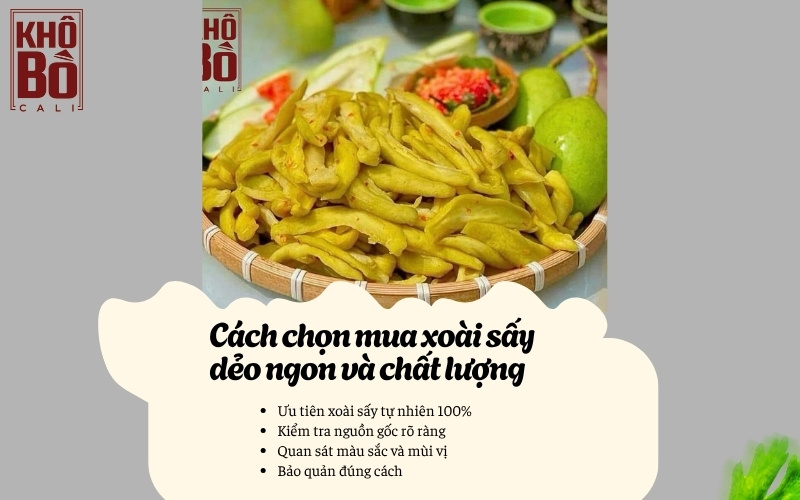
Cách chọn mua xoài sấy dẻo ngon và chất lượng

Để thưởng thức trọn vẹn hương vị ngọt dẻo tự nhiên và đảm bảo an toàn cho sức khỏe, việc lựa chọn xoài sấy dẻo chất lượng là điều vô cùng quan trọng. Trên thị trường hiện nay có rất nhiều loại xoài sấy với mức giá và thành phần khác nhau, vì vậy bạn cần tinh ý khi chọn mua.

Xoài sấy dẻo

Một số lưu ý khi chọn xoài sấy dẻo ngon:

  • Ưu tiên xoài sấy tự nhiên 100%: Chọn loại không hoặc ít tẩm đường, không dùng phẩm màu hay hương liệu nhân tạo để giữ nguyên hương vị chua ngọt đặc trưng của xoài chín.

  • Kiểm tra nguồn gốc rõ ràng: Nên mua sản phẩm từ thương hiệu uy tín, có thông tin nhãn mác đầy đủ, ngày sản xuất – hạn sử dụng – chứng nhận vệ sinh an toàn thực phẩm rõ ràng.

  • Quan sát màu sắc và mùi vị: Xoài sấy dẻo ngon có màu vàng tự nhiên, mùi thơm nhẹ, không quá ngọt gắt và không bị dính tay do đường kết tinh.

  • Bảo quản đúng cách: Giữ xoài sấy dẻo trong hộp kín, nơi khô ráo thoáng mát, tránh ánh nắng trực tiếp và nhiệt độ cao để đảm bảo hương vị và độ dẻo được lâu.

Thưởng thức xoài sấy dẻo chuẩn vị tại Khô bò CALI

Nếu bạn đang tìm kiếm một sản phẩm xoài sấy dẻo tự nhiên, thơm ngon và an toàn, thì xoài sấy dẻo của Khô bò CALI chắc chắn là lựa chọn đáng thử.

  • Sản phẩm được chế biến từ xoài tươi tuyển chọn kỹ lưỡng, sấy dẻo bằng công nghệ hiện đại giúp giữ trọn hương vị và dưỡng chất.

  • Không chất bảo quản, không phẩm màu, vị ngọt thanh dịu, dẻo mềm tự nhiên, phù hợp cho cả người ăn kiêng, dân văn phòng và trẻ nhỏ.

  • Đặc biệt, xoài sấy dẻo Khô bò CALI được đóng gói tiện lợi, đảm bảo vệ sinh, dễ mang theo khi đi làm, du lịch hay làm quà biếu sang trọng.

Xoài sấy dẻo

Hãy thử một lần thưởng thức xoài sấy dẻo Khô bò CALI, bạn sẽ cảm nhận được vị ngọt đậm đà nhưng không gắt, hậu chua nhẹ tự nhiên cùng hương thơm xoài chín lan tỏa, một trải nghiệm vừa ngon miệng, vừa tốt cho sức khỏe.

👉 Liên hệ mua hàng:

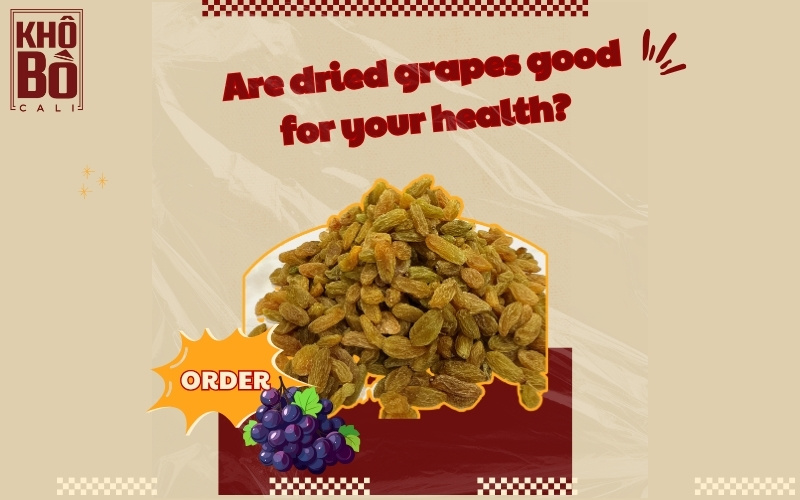
Are dried grapes good for your health?

Have you ever wondered whether dried grapes are actually good for you? Beyond their naturally sweet flavor, dried grapes are packed with essential nutrients that can support your overall health when enjoyed in moderation. In this article, we’ll explore the impressive health benefits of dried grapes and share smart tips on how to include them in your daily diet the right way.

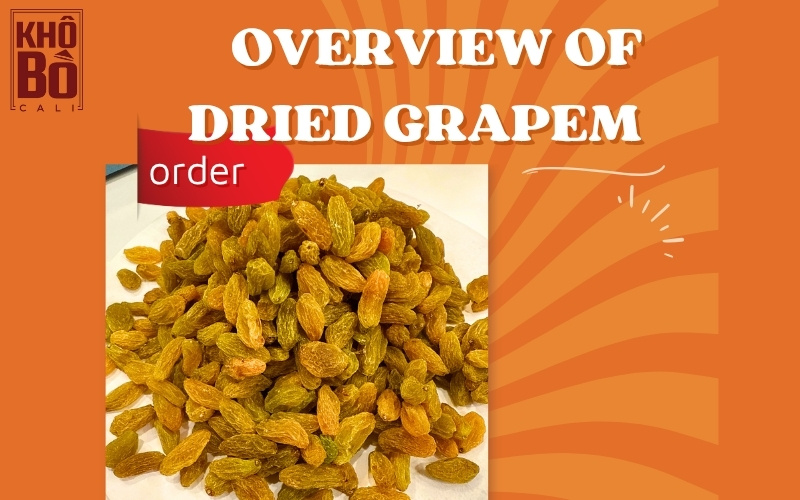
Overview of dried grape

Dried grapes are simply fresh grapes that have been dehydrated either in a food dehydrator or naturally dried under the sun. Despite their simple preparation process, they offer a surprisingly rich flavor and impressive nutritional value.

dried grapes

These sweet, chewy treats are incredibly versatile and can be enjoyed in many ways, such as:

  • Adding them to salads for a touch of natural sweetness

  • Mixing with oats to create a wholesome breakfast

  • Pairing with yogurt for a quick, nutritious snack

  • Using as toppings for cookies, bread, or fluffy baked goods

Although dried grapes are naturally high in sugar and calories, consuming them in moderation can bring many health benefits. Studies have shown that they may support healthy digestion, increase iron levels, and help maintain strong bones.

So next time you’re craving candy or something sweet, consider reaching for a handful of dried grapes instead, a delicious and nourishing alternative.

Nutritional Value of Dried Grapes

According to the United States Department of Agriculture (USDA), a 40–50 g serving of dried grapes provides a wide range of essential nutrients. The table below shows their nutritional components and the percentage of the Recommended Daily Allowance (RDA):

General Nutrients

Nutrient Amount % RDA
Energy 299 kcal 15 %
Carbohydrates 79.18 g 61 %
Protein 3.07 g 5.5 %
Total Fat 0.46 g 1.5 %
Cholesterol 0 mg 0 %
Dietary Fiber 3.7 g 10 %

Vitamins

Nutrient Amount % RDA
Folates 5 µg 1 %
Niacin 0.766 mg 5 %
Pantothenic Acid 0.095 mg 2 %
Pyridoxine (B6) 0.174 mg 13 %
Riboflavin (B2) 0.125 mg 10 %
Thiamin (B1) 0.106 mg 9 %
Vitamin A 0 IU 0 %
Vitamin C 2.3 mg 4 %
Vitamin E 0.12 mg 1 %
Vitamin K 3.5 µg 3 %

Electrolytes

Nutrient Amount % RDA
Sodium 1 mg 1 %
Potassium 749 mg 16 %

Minerals

Nutrient Amount % RDA
Calcium 50 mg 5 %
Copper 0.318 mg 35 %
Iron 1.88 mg 23 %
Magnesium 7 mg 2 %
Manganese 0.299 mg 12 %
Phosphorus 101 mg 15 %
Selenium 0.6 µg 1 %
Zinc 0.22 mg 2 %

Phytonutrients

Nutrient Amount % RDA
Carotene-α 0 µg
Carotene-β 0 µg
Crypto-xanthin-β 0 µg
Lutein + Zeaxanthin 0 µg

Sugar and Calories

A half-cup serving of dried grapes contains approximately 217 calories and 47 grams of sugar. By comparison, a 350 ml can of soda typically has around 150 calories and 33 grams of sugar, depending on the brand.

This high sugar and calorie content is common among all dried fruits, which is why it’s essential to keep an eye on your portion sizes when enjoying dried grapes. They’re often sold in small, pre-packaged boxes containing about 100 calories each. If portion control is a challenge for you, these single-serving packs can be a practical way to manage your intake more effectively.

For endurance athletes, dried grapes can be an excellent alternative to pricey sports gels or chewy energy candies. They offer a quick and natural source of carbohydrates, helping to boost energy levels and sustain performance during prolonged activities.

In fact, a 2011 study found that dried grapes were just as effective as a popular brand of sports jelly beans in enhancing performance among athletes engaging in moderate- to high-intensity endurance exercises.

Fiber

A 100 g serving of dried grapes provides around 3.8 g of fiber, which is approximately 10–24% of your daily requirement, depending on your age and gender.

Dietary fiber plays a crucial role in supporting healthy digestion. It softens and increases the bulk of your stool, making it easier to pass through the digestive tract and helping to prevent constipation. Fiber also slows down stomach emptying, which can help you feel full longer a useful benefit if you’re trying to manage your weight.

Moreover, fiber contributes to lowering harmful LDL cholesterol levels, promoting better heart health. Regular consumption of fiber-rich foods, such as dried grapes, can therefore support both digestive and cardiovascular wellness.

dried grapes

Iron

Dried grapes are considered a good source of iron. A 100 g serving contains about 1.3 mg of iron, equivalent to roughly 7% of the daily recommended intake for most adult women and 16% for most adult men.

Iron is essential for the production of red blood cells and for transporting oxygen throughout the body. Ensuring adequate iron intake is one of the best ways to prevent iron-deficiency anemia, a condition that can cause fatigue and weakness.

Calcium and Bone Health

A 100 g portion of dried grapes provides approximately 45 mg of calcium, or about 4% of the daily recommended intake. Calcium is vital for maintaining strong bones and teeth.

For postmenopausal women, dried grapes make an excellent snack choice, as calcium helps prevent the development of osteoporosis. In addition, dried grapes are naturally rich in boron, a trace mineral that, when combined with vitamin D and calcium, helps strengthen bones and supports osteoporosis management.

Antioxidants

Dried grapes are packed with natural plant compounds called phytonutrients, including phenols and polyphenols. These act as powerful antioxidants, which help neutralize free radicals in the blood and protect your cells and DNA from damage. This protective effect may lower the risk of developing serious health conditions such as cancer, cardiovascular disease, and stroke.

Antibacterial Compounds

A 2009 study found that dried grapes contain phytochemicals that promote healthy teeth and gums. Compounds such as oleanolic acid, linoleic acid, and linolenic acid, found naturally in dried grapes, have antibacterial properties that combat oral bacteria responsible for tooth decay.

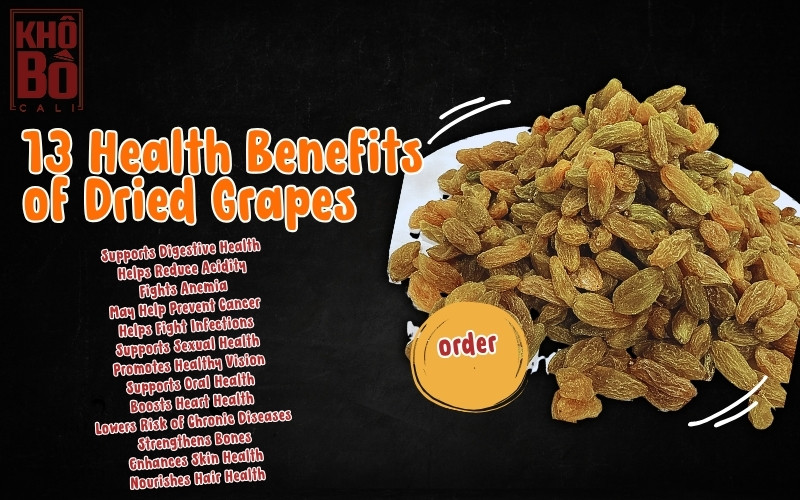
13 Health Benefits of Dried Grapes

Supports Digestive Health

Eating a few dried grapes each day can do wonders for your digestive system. The dietary fiber they contain has a natural laxative effect, helping to soften stool and relieve constipation. Regular consumption also supports healthy bowel movements, aiding in the elimination of toxins and waste from the body.

Additionally, dried grapes contain tartaric acid, a compound with anti-inflammatory properties that improves gut function and balances intestinal bacteria. One study even found that tartaric acid may help lower the risk of colorectal cancer.

Helps Reduce Acidity

Dried grapes are rich in potassium and magnesium, both of which help neutralize excess acids in the body. This detoxifying effect can help prevent health issues such as rheumatoid arthritis, gout, kidney stones, and heart disease.

Fights Anemia

Thanks to their high iron and vitamin B-complex content, dried grapes are beneficial for those struggling with anemia. Iron supports the production of red blood cells, while copper also found in these fruits plays a key role in oxygen transportation throughout the body.

May Help Prevent Cancer

The catechin antioxidants in dried grapes help protect your body from the damaging activity of free radicals that can lead to tumor growth and colon cancer.

Helps Fight Infections

Dried grapes contain polyphenolic antioxidants, known for their anti-inflammatory and antibacterial properties. Eating a small amount daily may help protect against common infections such as colds and other bacterial illnesses.

Supports Sexual Health

Consuming dried grapes can have a positive impact on sexual well-being. They contain arginine, an amino acid known to boost libido and arousal. The natural energy boost provided by dried grapes can also enhance sexual vitality and endurance.

Promotes Healthy Vision

Dried grapes are packed with polyphenolic phytonutrients, powerful antioxidants that protect eye health by neutralizing free radicals that damage vision and contribute to cataract formation. Additionally, they contain vitamin A, beta-carotene, and A-carotenoids, all of which support strong, healthy eyesight.

Supports Oral Health

Dried grapes contain oleanolic acid, a plant compound that helps protect teeth from decay and cavities. Their antibacterial properties inhibit the growth of harmful bacteria in the mouth, while their calcium content strengthens teeth. The boron present in dried grapes also helps keep bacterial buildup in the mouth to a minimum, supporting overall dental health.

dried grapes

Boosts Heart Health

Studies suggest that dried grapes may help lower the risk of heart disease by reducing blood pressure and blood sugar levels. Their fiber content helps lower LDL (bad) cholesterol, easing the workload on the heart.

Additionally, dried grapes are an excellent source of potassium, which plays a crucial role in regulating blood pressure. Low potassium levels are linked to hypertension, heart disease, and stroke. As a low-sodium food, dried grapes can help balance sodium intake and support cardiovascular health.

Lowers Risk of Chronic Diseases

Dried grapes contain higher levels of antioxidants than many other dried fruits. The drying process helps preserve these compounds, making them more potent than those in fresh grapes.

Antioxidants protect cells from damage caused by aging and environmental factors. Plant-based phytonutrients found in dried grapes have been shown to reduce the risk of diabetes, osteoporosis, and cancer, and may also offer anti-inflammatory, pain-relieving, and neuroprotective benefits.

Strengthens Bones

The calcium found in dried grapes plays a key role in maintaining strong bones, helping to prevent conditions like arthritis and gout.

Enhances Skin Health

Dried grapes are a nutrient-dense, low-fat energy source that can support glowing, youthful skin from the inside out. Here are a few ways they benefit your skin:

  • Antioxidants, particularly phenols, protect skin cells from damage, boost collagen and elastin, and delay the appearance of wrinkles and fine lines.

  • They speed up the skin’s natural repair system, rejuvenate skin cells, and help prevent sagging.

  • Resveratrol in dried grapes supports blood purification and red blood cell production, giving the skin a healthy, radiant look.

  • Magnesium and potassium help neutralize excess stomach acid, which may contribute to skin issues like boils, psoriasis, and acne.

  • They aid in liver detoxification, resulting in clearer, brighter skin.

  • Phytochemicals protect skin cells from UV damage, while amino acids support skin regeneration and help build a natural barrier against sun exposure.

  • Vitamin A and Vitamin E stimulate new cell growth, improving moisture retention and skin texture, leaving your skin soft, youthful, and glowing.

Nourishes Hair Health

Dried grapes contain essential nutrients like vitamin B, iron, potassium, and antioxidants that support healthy hair growth. Their benefits include:

  • Iron improves blood circulation and stimulates hair follicles, promoting strong, healthy hair and preventing hair loss.

  • Vitamin C enhances mineral absorption and helps maintain natural hair color.

  • Regular consumption strengthens blood vessels, reduces dandruff, scalp irritation, and prevents hair fall caused by environmental damage.

  • Antioxidants in dried grapes combat hair follicle damage and stimulate the growth of healthy cells.

  • Vitamin C supports collagen formation, while vitamin E protects follicle membranes from free radical damage.

Is It Safe to Eat Dried Grapes?

While dried grapes offer a wide range of health benefits, they may not always be the best snack choice for everyone. There are a few important considerations to keep in mind to ensure you enjoy them safely and in moderation.

Overeating Can Lead to Excess Calorie Intake

For those who are trying to reduce their calorie intake, portion control is essential. Although a single dried grape contains about the same number of calories as a fresh grape, its smaller size makes it easy to consume a large amount without realizing it. This can lead to excessive calorie intake and, over time, unwanted weight gain.

High Fiber Intake May Cause Digestive Issues

Another concern with eating too many dried grapes is their soluble fiber content. Consuming large amounts of fiber in a short period can trigger digestive discomfort, including cramps, bloating, and gas, and in more severe cases, diarrhea. That said, this typically happens only when you eat dried grapes in excessive quantities, since they do not contain extremely high levels of fiber on their own.

dried grapes

Choking Hazard for Young Children

Because of their small size and chewy texture, dried grapes can pose a choking hazard, especially for young children. For this reason, it’s generally safer to offer fresh grapes instead of dried ones when serving them to kids.

Sulfite Sensitivity and Additives

Commercially grown dried grapes are often treated with sulfur dioxide to extend shelf life, prevent oxidation, and preserve color. While this is safe for most people, individuals with asthma or sulfite sensitivity may experience adverse reactions. If you fall into this group, it’s wise to choose organic dried grapes or carefully check product labels before purchasing.

Pesticide Residues

Like many dried fruits, dried grapes may contain trace amounts of pesticide residues. Over time, these chemicals can affect liver function, interfere with the body’s ability to process toxins, and inhibit cellular energy production. Choosing organic or well-sourced products can help minimize these risks.

How to Make Your Own Dried Grapes at Home

You don’t have to rely on store-bought products to enjoy dried grapes, making your own at home is surprisingly simple. While most commercial dried grapes are made from seedless varieties, you can actually dry almost any type of grape to create a flavorful, preservative-free snack.

Homemade dried grapes not only give you full control over the ingredients but also ensure better hygiene and food safety. All you need is some fresh, high-quality grapes, a bit of time, and either an oven or a food dehydrator.

Step-by-Step Guide to Making Dried Grapes

  1. Wash the grapes thoroughly and remove any damaged or spoiled fruit.

  2. Drain the excess water using a colander.

  3. Blanch the grapes briefly in a pot of boiling water. This helps loosen the skin, allowing moisture to escape more easily during drying.

  4. Drain again to remove any remaining moisture.

  5. Arrange the grapes in a single layer on a lightly oiled baking sheet or dehydrator tray.

  6. For oven drying: Set the oven to 107 °C (225 °F) and dry the grapes for about 3 hours, or until they reach your desired texture.

  7. For dehydrator drying: Set the temperature to 57 °C (135 °F) and let them dehydrate for approximately 24 hours, or until fully dried.

  8. Store the finished dried grapes in an airtight container to keep them fresh for longer.

Once ready, you’ll have naturally sweet, chewy dried grapes that are perfect for snacking, baking, or adding to salads and cereals, no additives required!

Enjoy Premium Dried Grapes from Khô Bò CALI

dried grapes

Making your own dried grapes at home can be fun, but if you prefer a quick, convenient, and guaranteed high-quality option, look no further than Khô Bò CALI. Our premium dried grapes are carefully selected from the finest fresh grapes and naturally processed to retain their full flavor, sweetness, and nutritional value, with no artificial additives or preservatives.

Whether you’re looking for a healthy daily snack, a tasty topping for your meals, or a thoughtful gift for loved ones, Khô Bò CALI dried grapes are the perfect choice.

👉 Order now to experience the difference in taste and quality. Treat yourself and your family to the wholesome goodness of Khô Bò CALI dried grapes today!

📞 Order now: +1 (714) 452-7679 / +1 (714) 234-6899
🌐 Shop online at: Khobocali.com

Revealing the secret to making crispy, delicious dried banana that will keep you coming back for more.

Sweet, fragrant, and delightfully chewy, dried banana is a treat everyone loves. Instead of just eating fresh bananas or baking with them, why not try making dried banana at home? It’s cleaner, tastier, and you’ll have full control over the quality. The process may seem tricky, but it’s actually super simple, let’s get started in the kitchen with Khô bò CALI!

How to Make Dried Banana at Home

Preparing the Ingredients

dried banana

To make delicious dried banana, start by selecting:

  • 1 ripe bunch of bananas It’s best to use a firm variety such as “chuối sứ.” Choose bananas that are just ripe but not overly soft; this helps the slices stay crispy and naturally sweet after drying.

  • 1 fresh lemon

  • 2 tubes of vanilla powder or a few drops of vanilla extract

Step-by-Step Instructions

Step 1: Prepping the Bananas

Peel the bananas and place them in a bowl.
Using a sharp knife, slice the bananas into thin pieces about 0.3 cm thick. You can cut them into round slices, diagonal pieces, or even lengthwise strips depending on the texture and look you prefer. Arrange the sliced bananas neatly on a plate to prepare for drying.

dried banana

Step 2: Arranging the Banana Slices

Lay the banana slices gently on the trays of a fruit dehydrator, being careful not to press too hard to avoid breaking them.
Squeeze the lemon to extract the juice and mix it with 500 ml of clean water. Pour this mixture into a spray bottle.
Lightly spray the lemon water over the banana slices to help preserve their color and flavor, then sprinkle a thin layer of vanilla on top for extra aroma.

Step 3: Drying the Bananas

Place the trays into the dehydrator and dry at 120°C (about 248°F) for 20 minutes.
After this time, flip the banana slices over, spray another layer of lemon water and vanilla, and continue drying at 120°C for an additional 10 minutes. This two-step process ensures the dried banana slices are evenly crisp and golden.

The Final Result

The finished dried banana slices are irresistibly crunchy, golden, and fragrant a healthy snack that’s just as satisfying as store-bought chips. They’re perfect for the whole family, especially kids who love tasty finger foods. For best results, store the dried banana in an airtight bag or container to keep them fresh and crisp for longer.

How to Make Sugar-Coated Dried Banana

Ingredients

dried banana

To prepare this sweet and crispy treat, you’ll need:

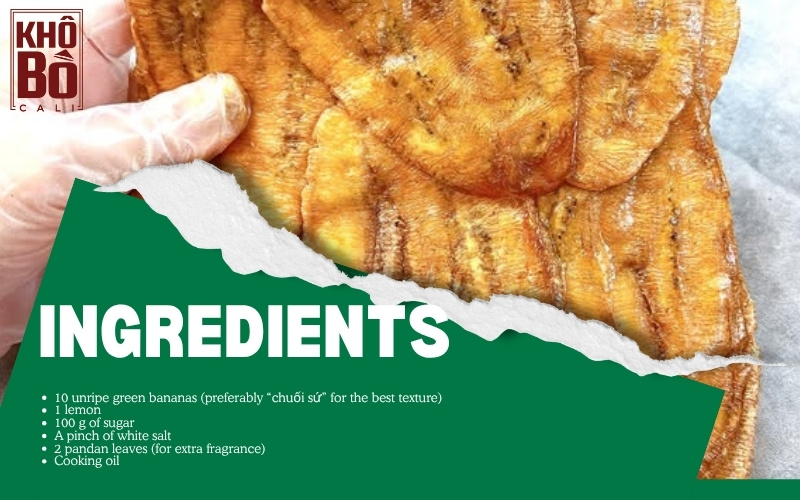
  • 10 unripe green bananas (preferably “chuối sứ” for the best texture)

  • 1 lemon

  • 100 g of sugar

  • A pinch of white salt

  • 2 pandan leaves (for extra fragrance)

  • Cooking oil

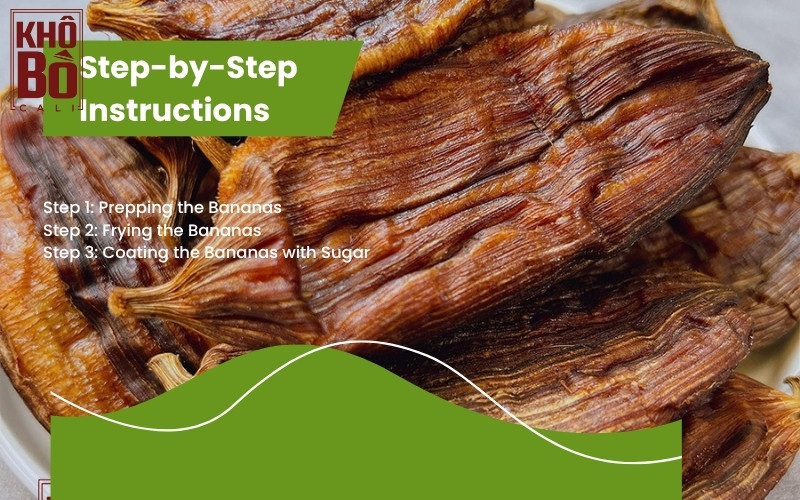
Step-by-Step Instructions

Step 1: Prepping the Bananas

Peel the green bananas and immediately soak them in a large bowl of water mixed with the juice of half a lemon and 1 tablespoon of salt. Let them soak for about 10 minutes. This step removes the sticky latex and keeps the banana flesh from turning brown.

Once soaked, pat the bananas dry with a clean towel. Slice them lengthwise into thin, even strips not too thick so they crisp up nicely, but not too thin that they break during frying.

dried banana

Step 2: Frying the Bananas

Heat a generous amount of oil in a large pan over medium heat. Add the pandan leaves to infuse the oil with their natural aroma, then gently add the sliced bananas.

Fry the bananas, stirring gently and continuously to ensure they cook evenly on all sides. Keep frying until the slices turn golden and crisp. Remove them and let any excess oil drain on paper towels.

Step 3: Coating the Bananas with Sugar

In a clean pan, add 100 g of sugar and 70 ml of water. Cook this mixture over low heat for about 3 minutes, stirring occasionally until the sugar completely dissolves and forms a light syrup.

Carefully add all the fried banana slices into the pan. Stir gently so that each piece is evenly coated as the sugar begins to crystallize. When the sugar forms a dry, crunchy coating on the bananas, turn off the heat immediately.

The Final Result

The finished sugar-coated dried banana is beautifully golden with a wonderful aroma from the pandan leaves and caramelized sugar. Each bite offers a satisfying crunch, with the natural sweetness of banana blending perfectly with the sugar glaze.

Since this version uses sugar, it doesn’t keep as long as plain dried banana. To preserve its crispness, let the banana cool completely, then store it in an airtight plastic bag or container in the refrigerator. It’s best enjoyed within one week.

Easy Ways to Make Dried Banana Using Common Kitchen Tools

Making Dried Banana in the Oven

If you don’t have a specialized dehydrator, don’t worry you can still make delicious dried banana using a regular oven or even a microwave. Here’s how:

Step 1: Choosing the Right Ingredients

To get the perfect texture and flavor when making dried banana in the oven, it’s best to select “chuối sứ” (short, thick bananas) or green plantains. You can also use bananas that are just ripe but still firm they’ll hold their shape better during drying and develop a naturally sweet taste.

In addition to bananas, prepare fresh ginger and lemon, which will help enhance the aroma and prevent browning during the drying process.

Step 2: Preparing the Ingredients

Peel the bananas and slice them into thin, even pieces.
Squeeze the lemon to get about 2 tablespoons of juice.
Peel and crush the ginger, then squeeze to extract around 4 tablespoons of ginger juice.

These ingredients will give the banana slices a pleasant tang and a fresh, fragrant note.

dried banana

Step 3: Marinating the Bananas

Place the banana slices in a large bowl. Add the lemon juice, ginger juice, and sugar according to your family’s taste. Gently toss the mixture so that every slice is evenly coated. Let the bananas sit for about 1 hour, allowing the flavors to soak in and the natural syrup to develop.

Step 4: Drying in the Oven or Microwave

Arrange the marinated banana slices in a single layer on a baking tray or heat-resistant plate. Place the tray in the microwave and heat for 5 minutes.

After the first round, check the bananas — at this stage, they should start releasing their natural sugars and turn slightly golden. Return them to the microwave for another 5 minutes.

Continue heating in 5-minute intervals, checking the color and texture after each round. Typically, it takes 3 to 4 cycles for the bananas to reach the ideal level of dryness and develop a beautiful golden color.

💡 Tip: If you’re using a conventional oven instead of a microwave, set it to low heat (around 100–120°C) and bake the banana slices until they become firm and slightly caramelized, flipping occasionally for even drying.

Step 5: Sun-Drying for Extra Crispness

Once the bananas are nicely dried and golden, spread them out on a clean plastic tray and place them under direct sunlight for an additional 1–2 hours. This final step helps remove any remaining moisture, making your dried banana crispier and more shelf-stable.

Step 6: Storing the Dried Banana

After sun-drying, let the bananas cool completely. Transfer them to an airtight glass jar or container, seal tightly, and store in a cool, dry place. Properly stored, homemade dried banana can stay fresh for weeks while retaining its natural sweetness and crunch.

Making Dried Banana with an Air Fryer

Using an air fryer is one of the easiest and quickest ways to make delicious dried banana at home. This method helps you achieve that perfect golden crispness without the need for deep frying, while still preserving the natural sweetness of the fruit.

Step 1: Preparing the Bananas

Start by peeling the bananas and slicing them thinly lengthwise. Thin slices ensure the bananas dry evenly and get that perfect crisp texture later on.

Next, place the banana slices in a large bowl filled with ice water, and add a little salt and lemon juice. Soak the slices for about 15 minutes. This step is important because it prevents the bananas from oxidizing and turning brown, while also giving them a refreshing, firm texture.

Once soaked, remove the bananas and let them drain completely. You can gently pat them dry with a clean kitchen towel to remove excess moisture before drying.

dried banana

Step 2: Drying the Bananas in the Air Fryer

Preheat your air fryer to 160°C (320°F) for 10 minutes. Preheating helps the banana slices dry more evenly and retain their natural flavor.

Line the basket of the air fryer with parchment paper to prevent sticking. Then, arrange the banana slices in a single layer, making sure they don’t overlap.

Set the air fryer to 150°C (300°F) and dry the bananas for 5 minutes on one side. After the first round, flip the slices carefully, then continue drying for another 5 minutes at the same temperature.

For extra flavor and a touch of natural sweetness, lightly brush the banana slices with honey. Then lower the temperature to 100°C (212°F) and continue drying each side for 15 minutes. This slow drying at a lower temperature helps the bananas achieve a crisp yet chewy texture, while the honey creates a beautiful golden glaze.

💡 Tip: Depending on how thick your slices are and your personal preference, you can adjust the drying time slightly for a softer or crunchier result.

Step 3: Enjoying the Finished Product

Making dried banana with an air fryer is not only fast and convenient but also healthier than traditional frying methods. The final result is a fragrant, golden snack with a delicate natural sweetness from the banana and a subtle honey aroma.

You can enjoy these dried banana slices on their own as a light snack, pair them with yogurt or oatmeal for breakfast, or even pack them in airtight containers as a homemade treat for on-the-go munching. Plus, since air frying uses minimal oil, the result is a cleaner and more wholesome version of a beloved classic.

Making Dried Banana Using a Non-Stick Pan

If you don’t have an oven, air fryer, or dehydrator, don’t worry, you can still make delicious dried banana right on your stovetop using a simple non-stick pan. This method is quick, practical, and perfect for turning fresh bananas into a sweet, golden snack.

Step 1: Preparing the Ingredients

Start by peeling the bananas and slicing them into thin pieces about 0.3 cm thick. Consistent thin slices help the bananas cook and dry evenly, giving you a perfectly crisp yet slightly chewy texture.

To keep the banana slices from turning brown during cooking, soak them in a bowl of lemon water for about 10 minutes. The natural acidity of the lemon not only prevents oxidation but also gives the bananas a refreshing, subtle tang. Once done, drain the slices and gently pat them dry with a clean kitchen towel.

Step 2: Drying the Bananas on the Pan

Heat a non-stick pan over medium heat and pour in a generous amount of cooking oil. Allow the oil to heat up fully before adding the banana slices.

Carefully place the slices into the pan and fry them, flipping occasionally to ensure both sides turn a beautiful golden color. Keep an eye on the heat, you want the bananas to dry slowly and evenly, not burn.

Once the slices are golden and crisp, remove them from the pan and place them on a paper towel to absorb any excess oil.

Next, pour out the remaining oil, leaving just a thin layer to prevent sticking. Add a drizzle of honey to the pan, return the fried banana slices, and gently toss them until each piece is evenly coated in a fragrant, glossy glaze. This step enhances the flavor, giving the bananas a sweet aroma and irresistible taste.

dried banana

Step 3: Finishing and Storing

Your pan-dried banana is now ready to enjoy crispy, lightly sweetened, and infused with a delicate honey fragrance. It’s the perfect quick snack to make at home without any special equipment.

If you don’t finish the batch right away, let the bananas cool completely and store them in an airtight container in the refrigerator. This will help maintain their freshness and crunch for several days.

Making dried banana doesn’t have to be complicated. With just a non-stick pan and a few simple ingredients, you can create a delightful homemade treat that’s perfect for sharing with family or enjoying on your own. It’s a great way to turn everyday bananas into something special!

Readmore: Revealing the secret to making Squeezed banana with a soft, chewy texture, delightful aroma, and delicious sweetness – 100% success guaranteed!

How to make orange dry at home

Oranges are a type of fruit that contains a very high amount of vitamins, especially vitamin C, which is why they are loved by many people. Besides fresh oranges, orange dry is also a popular product thanks to its wonderful health benefits. Dried oranges have a naturally sweet and slightly tangy flavor, making them perfect to enjoy as a snack, brew into tea, or use in baking. Below, Kingfoodmart will guide you on how to make orange dry at home a simple, budget-friendly method that also ensures food safety and hygiene.

What is Orange Dry?

Orange dry is a delicious and nutritious product made from fresh oranges through a careful drying process. After selecting high-quality fresh oranges, they are thoroughly washed, peeled, sliced, and then slowly dried at a low temperature to preserve their natural goodness.

orange dry

Typically, oranges are cut into round, eye-catching slices before drying. The finished orange dry slices have a deep golden color with a pleasantly sweet and mildly tangy flavor that feels refreshing and is beneficial for your health.

The key characteristic of orange dry is that moisture is completely removed using heat, while the fruit’s natural nutrients are retained. As a result, orange dry maintains nearly the same nutritional value and health benefits as fresh oranges. You can enjoy it as a healthy snack, brew it into a fragrant tea, or use it as a flavorful ingredient in baking and desserts.

Health Benefits of Dried Oranges

As mentioned earlier, dried oranges are essentially fresh oranges that have been gently dehydrated while retaining their full nutritional value. Therefore, the health benefits of dried oranges are very similar to those of fresh ones.

Dried oranges are an excellent source of vitamin C, which helps strengthen the immune system and protect the body from illnesses. Vitamin C also plays a crucial role in the production of white blood cells, enabling the body to fight off infections more effectively.

orange dry

In addition, dried oranges are rich in dietary fiber, which supports healthy digestion and helps prevent constipation. The fiber softens stool and stimulates intestinal movement, making digestion smoother. Thanks to this, dried oranges can also support healthy weight management by promoting a feeling of fullness and aiding the digestive process.

Dried oranges also contain potassium, which helps regulate blood pressure and reduce the risk of cardiovascular diseases. Meanwhile, vitamin A in dried oranges helps protect eye health and may lower the risk of conditions such as macular degeneration and cataracts.

How to Make Orange Dry the Right Way

Tips for Choosing Fresh Oranges for Orange Dry

To make delicious and perfectly textured orange dry, it’s essential to start with the right fruit. Choose fresh, ripe oranges with thin skins, as thinner peels allow the drying process to be faster and more even, resulting in beautiful, uniform slices. The best oranges are those with a vibrant orange-yellow color, smooth and shiny skin, and no bruises or scars. Avoid overripe or mushy oranges, as they won’t hold their shape well during drying.

orange dry

You can also rely on smell and taste to pick the best fruit. A good orange has a naturally fragrant aroma and no unusual odors. If you slice a small piece to taste, it should be mildly sweet with a slight tang, not overly sour perfect for making orange dry.

Step-by-Step Guide to Making Orange Dry at Home

orange dry

Step 1: Select the Oranges

Choosing high-quality oranges is the foundation of great orange dry. Apply the tips above to find the freshest, juiciest fruit. For the best quality, buy oranges from reputable supermarkets or trusted stores such as Kingfoodmart a well-known food retail chain that provides fresh, premium ingredients perfect for homemade recipes.

Step 2: Prepare the Oranges

Once you bring the oranges home, wash them thoroughly to remove any dirt or bacteria. Soak the whole fruits in a mild saltwater solution for a few minutes to ensure they’re fully clean, then gently rinse with fresh water to avoid damaging the skin.

After washing, let the oranges dry completely. Then, slice them into even, round pieces about 2 mm thick. Uniform slicing helps the orange pieces dry evenly and look more appealing after the process. Arrange the slices neatly on a tray, ready for drying.

Step 3: Drying the Oranges in the Oven or Dehydrator

For the best results, use a cold dryer or a low-temperature oven. Set the temperature to around 40 °C (104 °F) and dry the orange slices for 25–30 hours. The exact drying time may vary depending on the type of oranges and the humidity level in the drying chamber. Aim to reduce the moisture content to about 10–15% to achieve the ideal orange dry texture crisp on the outside yet naturally flavorful inside.

How to Use Orange Dry for Better Health

There are many enjoyable ways to use orange dry, such as brewing it into tea, baking, or simply eating it as a snack. However, to truly gain its health benefits, it’s important to pay attention to proper portions and timing.

Recommendorange dryed Daily Amount

Orange dry is a healthy food, but that doesn’t mean the more you eat, the better. The ideal daily intake is about 30 grams per day. You can divide this amount into several smaller servings throughout the day and enjoy orange dry in different forms. Avoid consuming too much at once or exceeding 30 grams per day, as overconsumption may lead to unwanted effects on your body.

Best Time to Consume

The best time to eat orange dry is in the morning or afternoon, when your body can absorb nutrients efficiently. It’s best to avoid eating orange dry late at night, as some of its natural compounds may affect your sleep quality.

Popular Ways to Enjoy Orange Dry

  • Eat it directly: Orange dry slices have a naturally sweet and slightly tangy flavor that’s refreshing and easy to enjoy. You can eat them on their own or pair them with nuts, yogurt, or granola for a healthy snack.

  • Brew into tea: One of the most common uses for orange dry is making a fragrant, vitamin-rich tea. Simply place 3–4 slices into a teapot, pour in hot water, and let it steep for 5–7 minutes. Add a bit of honey or sugar to taste, and enjoy a warm, soothing drink.

  • Use in baking: Orange dry can also be incorporated into baked goods such as cookies, cakes, or pastries. You can use the slices as decorative toppings or mix them into the batter to infuse a subtle citrus aroma, making your desserts more flavorful and visually appealing.

Readmore:

How many calories does dried persimmon contain?

3 irresistible and simple ways to make grapefruit peel jam for a flavorful Tet celebration

Where to Buy Premium Orange Dry

If you want to enjoy the authentic taste and full health benefits of orange dry without spending hours making it yourself, choose high-quality products from Khô Bò CALI. We carefully select fresh, juicy oranges and use a gentle drying process to preserve their natural flavor, aroma, and nutrients.

orange dry

At Khô Bò CALI, every pack of orange dry is produced under strict hygiene and quality standards, ensuring you receive only the best. Whether you want a healthy daily snack, a fragrant ingredient for baking, or a thoughtful gift, our orange dry products are the perfect choice.

👉 Visit Khô Bò CALI today to experience premium-quality orange dry delicious, nutritious, and ready to enjoy anytime.

Bí quyết làm mứt dâu sấy khô thơm ngon hấp dẫn để đãi khách ngày Tết

Ngày Tết Việt Nam không chỉ gắn liền với bánh chưng xanh, thịt mỡ, dưa hành mà còn không thể thiếu khay mứt ngọt ngào gửi trao lời chúc an khang thịnh vượng. Trong số đó, món mứt dâu sấy khô mang hương vị chua ngọt hài hòa, vừa dân dã vừa hiện đại, là lựa chọn tuyệt vời để chiêu đãi khách quý. Hãy cùng Khô bò CALI vào bếp khám phá cách làm mứt dâu sấy khô thơm ngon, chuẩn vị để mang không khí Tết thêm trọn vẹn cho gia đình bạn nhé!

Nguyên liệu và dụng cụ cần chuẩn bị để làm mứt dâu sấy khô

Để có được món mứt dâu sấy khô ngọt ngào, chuẩn vị ngày Tết, bạn chỉ cần chuẩn bị những nguyên liệu đơn giản và quen thuộc:

  • Dâu tây tươi: khoảng 1kg, nên chọn những quả vừa chín đỏ, đều màu, không bị dập nát để khi sấy lên giữ được màu đẹp mắt và hương vị tự nhiên.

  • Đường trắng tinh luyện: khoảng 400g, giúp dâu thêm vị ngọt dịu, cân bằng với độ chua đặc trưng, đồng thời tạo độ dẻo hấp dẫn cho mứt.

  • Dụng cụ đi kèm: giấy nến để chống dính khi sấy, cùng với lò nướng (hoặc máy sấy hoa quả) giúp dâu khô đều, thơm ngon và bảo quản được lâu hơn.

Chỉ với vài bước chuẩn bị như trên, bạn đã sẵn sàng bắt tay vào làm món mứt dâu sấy khô hấp dẫn để làm đẹp thêm khay mứt Tết của gia đình rồi đấy!

Cách làm mứt dâu sấy khô ngon chuẩn vị

Bước 1: Chuẩn bị và sơ chế dâu tây

dâu sấy khô

Trước tiên, bạn chọn những quả dâu tây chín mọng, rửa sạch dưới vòi nước rồi ngâm nhanh trong nước muối loãng để loại bỏ bụi bẩn và vi khuẩn. Sau đó vớt ra để ráo, dùng kéo cắt bỏ phần cuống xanh. Khi dâu đã khô nước, chuẩn bị một chiếc âu lớn để tiến hành ướp đường.

Bước 2: Ướp dâu với đường

dâu sấy khô

Bạn thực hiện theo nguyên tắc xen kẽ: một lớp dâu, một lớp đường, cho đến khi hết nguyên liệu. Sau đó, đậy kín và để dâu nghỉ trong khoảng 2 – 3 tiếng đồng hồ. Trong thời gian này, đường sẽ dần tan, hòa quyện vào dâu, tạo thành hỗn hợp siro ngọt ngào tự nhiên. Đây chính là bước quan trọng giúp mứt dâu sấy khô sau khi hoàn thành có vị hài hòa và màu sắc bắt mắt.

Bước 3: Sên dâu và nước đường

dâu sấy khô

Khi thấy đường đã tan hoàn toàn, bạn chắt phần nước siro trong âu ra chảo, bắc lên bếp và đun với lửa nhỏ. Đun đến khi nước đường sánh lại thì tắt bếp và để nguội bớt. Lúc này, bạn mới cho dâu tây vào chảo, đảo đều để từng quả dâu ngấm đều lớp siro ngọt dịu, chuẩn bị cho công đoạn sấy tiếp theo.

Bước 4: Sấy dâu tây

dâu sấy khô

Làm nóng lò nướng trước ở mức 120°C. Tiếp đó, xếp dâu đã ngấm đường lên khay có lót giấy nến, dàn đều để dâu không bị chồng lên nhau. Đưa khay vào lò và sấy trong 3 – 4 giờ. Trong quá trình sấy, nếu mặt trên quả dâu đã khô nhưng mặt dưới còn ướt do đường, bạn hãy lấy khay ra, lật nhẹ từng quả rồi tiếp tục sấy cho đến khi dâu khô hoàn toàn. Nếu có máy sấy hoa quả, bạn cũng có thể sử dụng thay thế để tiết kiệm thời gian và nhiệt đều hơn.

Bước 5: Thành phẩm

dâu sấy khô

Sau khi hoàn thành, mứt dâu sấy khô có màu đỏ óng ả, dẻo mềm và tỏa hương thơm dịu. Bạn có thể bày ra đĩa để thưởng thức ngay, hoặc bảo quản trong lọ thủy tinh kín, đặt nơi khô ráo để dùng dần trong những ngày Tết.

Thưởng thức mứt dâu sấy khô

Khi hoàn tất, mứt dâu sấy khô hiện lên với sắc đỏ sẫm óng ánh, miếng dâu dẻo mềm, vừa giữ được hương thơm tự nhiên vừa thấm đẫm vị ngọt dịu xen lẫn chút chua thanh đặc trưng. Cắn một miếng, bạn sẽ cảm nhận được sự hòa quyện tinh tế giữa vị ngọt ngào và chua nhẹ, vừa lạ miệng vừa dễ gây “nghiện”.

Không chỉ là món ăn vặt hấp dẫn cho những buổi sum họp gia đình, mứt dâu sấy khô còn trở thành điểm nhấn đầy sắc màu trên khay mứt Tết, tượng trưng cho sự may mắn và ngọt ngào trong năm mới. Bạn có thể nhâm nhi cùng chén trà nóng, chia sẻ cùng bạn bè, người thân trong những ngày đầu xuân để câu chuyện thêm rộn rã và ấm áp.

Đặc biệt, mứt dâu sấy khô còn có thể dùng làm topping cho bánh ngọt, sữa chua hoặc các món tráng miệng, vừa đẹp mắt vừa tăng thêm hương vị, mang đến trải nghiệm ẩm thực đa dạng và thú vị.

Lưu ý khi chọn nguyên liệu và cách bảo quản mứt dâu sấy khô

Để có được món mứt dâu sấy khô ngon chuẩn vị, khâu lựa chọn nguyên liệu đóng vai trò vô cùng quan trọng. Khi mua dâu tây, bạn nên ưu tiên chọn những quả chín đỏ đều, vỏ ngoài căng mọng và sáng bóng, khi cầm trên tay có độ cứng vừa phải. Những quả dâu như vậy không chỉ giữ được độ ngọt thanh tự nhiên mà còn giúp thành phẩm đẹp mắt, không bị nhũn hay nát trong quá trình sên và sấy. Tuyệt đối tránh mua những quả bị dập, mềm nhũn hoặc đã mất cuống, bởi chúng dễ bị hỏng, ảnh hưởng đến hương vị cũng như chất lượng của mứt.

Sau khi hoàn thành, việc bảo quản mứt dâu cũng đơn giản nhưng cần chú ý một vài điểm nhỏ để giữ được hương vị thơm ngon lâu dài. Bạn nên để mứt nguội hoàn toàn rồi cho vào hũ thủy tinh sạch, đậy kín nắp, hoặc sử dụng túi nilon dày và buộc chặt để hạn chế không khí lọt vào. Nên đặt hũ mứt ở nơi khô ráo, thoáng mát, tránh ẩm thấp. Mỗi lần dùng, chỉ nên lấy một lượng vừa đủ, phần còn lại phải đậy kín ngay để mứt không bị khô cứng hoặc hút ẩm trở lại.

dâu sấy khô

Bên cạnh đó, bạn không nên đặt hũ mứt ở nơi có ánh nắng mặt trời chiếu trực tiếp, vì nhiệt độ cao dễ khiến đường trong mứt bị chảy nước. Việc bảo quản trong ngăn đá tủ lạnh cũng không được khuyến khích, bởi khi lấy ra môi trường bên ngoài, sự thay đổi nhiệt độ đột ngột có thể khiến mứt bị mất độ dẻo và hỏng nhanh hơn.

Với những lưu ý nhỏ nhưng hữu ích trên, bạn hoàn toàn có thể tự tay làm nên món mứt dâu sấy khô vừa ngon, vừa đẹp, lại đảm bảo an toàn vệ sinh cho cả gia đình trong dịp Tết. Còn chần chừ gì nữa, hãy vào bếp và thử ngay công thức này để khay mứt ngày xuân của bạn thêm trọn vẹn và ý nghĩa. Chúc bạn thành công và có một mùa Tết thật ngọt ngào!

Mua dâu sấy ngon tại Khô bò CALI

Nếu bạn yêu thích hương vị dâu sấy khô nhưng không có nhiều thời gian để tự tay chế biến tại nhà, đừng lo lắng! Bạn hoàn toàn có thể thưởng thức ngay món dâu sấy chuẩn vị, ngọt dẻo tự nhiên được chế biến sẵn bởi Khô bò CALI.

Sản phẩm tại Khô bò CALI được làm từ những trái dâu tây tươi ngon, chọn lọc kỹ lưỡng, đảm bảo vệ sinh an toàn thực phẩm, giữ trọn hương vị chua ngọt hài hòa đặc trưng. Dâu sấy khô không chỉ là món ăn vặt hấp dẫn, mà còn rất thích hợp để làm quà biếu Tết sang trọng, ý nghĩa.

👉 Liên hệ mua hàng:

Hãy đặt ngay hôm nay để mang về cho gia đình những hũ dâu sấy khô thơm ngon, chuẩn vị từ Khô bò CALI và làm phong phú thêm khay mứt ngày Tết nhé!

Oven dried strawberries – a favorite snack for many people

Oven dried strawberries have become a beloved snack, cherished for their naturally sweet flavor and delightful crunch. In today’s world, dried fruits are gaining more and more popularity thanks to their convenience and impressive health benefits. Among them, strawberries stand out not only for their taste but also for their rich nutritional value. In this article, let’s explore everything you need to know about oven dried strawberries and why they are loved by so many.

Nutritional Value of Strawberries

Strawberries are known for being light, refreshing, and highly nutritious. They are composed of over 90% water, making them naturally hydrating and low in calories. On average, 100g of fresh strawberries provide:

  • Water: 91%

  • Protein: 0.7 g

  • Carbohydrates: 7.7 g

  • Sugars: 4.9 g

  • Fiber: 2 g

  • Fat: 0.3 g

Oven dried strawberries

Beyond these macronutrients, strawberries are also an excellent source of essential vitamins and minerals, including vitamin C, vitamin E, vitamin B6, manganese, folate, and potassium. They are rich in antioxidants, offering significant health benefits and contributing to overall wellness.

Health Benefits of Strawberries


Strawberries are more than just a delicious fruit, they are packed with nutrients and powerful compounds that bring numerous health benefits, such as:

  • Boosting the immune system and strengthening the body’s natural defenses

  • Helping prevent cataracts and reducing the risk of vision loss in older adults

  • Protecting against cancer by fighting harmful free radicals

  • Lowering the risk of diabetes

  • Supporting digestion, relieving constipation, and promoting gut health

  • Regulating and stabilizing blood pressure

  • Slowing down aging, enhancing skin beauty, and aiding in weight management

What Are Oven Dried Strawberries? Benefits You Should Know

Definition of Oven Dried Strawberries

Oven dried strawberries

Oven dried strawberries are made by carefully dehydrating fresh berries with modern drying technology, resulting in a crunchy, flavorful, and nutrient-rich snack. Compared to fresh strawberries, these dried versions offer a sweeter taste, more concentrated nutrients, and a much longer shelf life. This makes oven dried strawberries a popular choice not only for daily consumption but also as a thoughtful gift for loved ones.

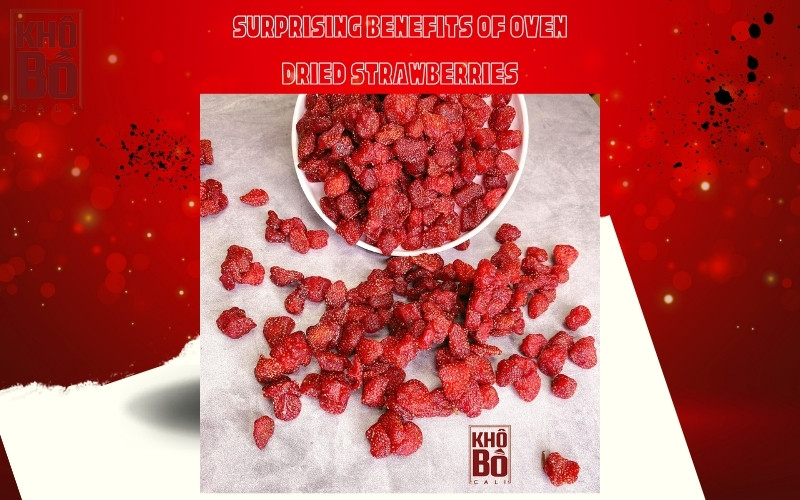
Surprising Benefits of Oven Dried Strawberries

Oven dried strawberries

  1. Packed with Nutrients
    Oven dried strawberries are a powerhouse of vitamins, especially vitamin C, along with beneficial flavonoids. These antioxidants help fight free radicals, slow down skin aging, and reduce the appearance of wrinkles making them a favorite among women who care about beauty and wellness.

  2. Delicious Flavor
    With their naturally sweet, rich, and slightly tangy taste, oven dried strawberries offer a unique snacking experience. Their delightful flavor appeals to both adults and children, making them a healthy alternative to sugary treats.

  3. Health-Boosting Compounds
    Beyond vitamin C, strawberries contain ellagic acid, a compound shown to help inhibit cancer cell growth. They are also rich in lutein and zeaxanthin antioxidants that protect the body from oxidative stress, strengthen the immune system, and support long-term health.

  4. Diabetes-Friendly & High in Fiber
    Strawberries have a low glycemic index of just 40, making them suitable for people with diabetes. Additionally, 100g of strawberries provide around 8g of dietary fiber, which supports digestion, prevents constipation, and promotes a healthier gut.

  5. Long Shelf Life
    Thanks to the drying process, oven dried strawberries lose most of their water content, preventing bacterial growth and spoilage. As a result, they can be stored easily in sealed packaging for extended periods, far longer than fresh strawberries.

  6. Higher Market Value
    Because of their superior taste, concentrated nutrients, and extended shelf life, oven dried strawberries often have a higher market price compared to fresh ones. For producers, using high-quality food dryers ensures premium products that meet growing consumer demand.

How to Make Oven Dried Strawberries at Home

Preparing the Ingredients

Oven dried strawberries

To begin, you will need about 1 kilogram of fresh strawberries. For the best results, choose ripe, bright-red strawberries that are uniform in size and color. Fresh, high-quality fruit not only enhances the flavor but also ensures your oven dried strawberries retain their natural sweetness and vibrant aroma after drying.

Step-by-Step Instructions

Oven dried strawberries

  1. Wash and prepare the strawberries
    Rinse the strawberries thoroughly under cold water to remove dirt and impurities. You can leave them whole for a chewier texture or cut them in half for quicker drying and a lighter crisp.

  2. Arrange on the baking tray
    Line your baking tray with parchment paper, then place the strawberries evenly without overlapping. This allows the hot air to circulate properly and helps the fruit dry more consistently.

  3. First drying stage
    Preheat the oven to 100°C (212°F) and place the tray inside. Dry the strawberries for about 2 hours, allowing them to slowly release their moisture while preserving flavor and nutrients.

  4. Flip and continue drying
    After the first 2 hours, carefully flip the strawberries to ensure both sides dry evenly. Return the tray to the oven and dry for an additional 1 hour at the same temperature.

  5. Cooling and storage
    Once done, remove the tray and let the strawberries cool completely. Store them in airtight glass jars, vacuum-sealed bags, or food-safe plastic containers. Keeping them in the refrigerator will extend their shelf life for several months.

The Finished Product

Oven dried strawberries

Your homemade oven dried strawberries will have a perfect balance of natural sweetness and tanginess, with a delicate aroma that’s unmistakably fresh. The texture can range from slightly chewy to crispy, depending on your preference. They make a delicious snack on their own, pair wonderfully with tea, or can be added to yogurt, cereal, and desserts for an extra burst of flavor. Properly stored, these dried strawberries can be enjoyed for months while retaining their taste and nutritional value.

In conclusion, oven dried strawberries are not only a delicious and versatile snack but also a healthy way to enjoy the natural sweetness of fresh fruit all year round. Easy to make at home and packed with nutrients, they can be savored on their own or added to countless recipes for an extra touch of flavor. Whether you’re looking for a guilt-free treat, a thoughtful homemade gift, or a long-lasting pantry staple, oven dried strawberries are the perfect choice.

Readmore:

The health benefits of strawberries dried

Revealing 4 irresistible ways to make Thai strawberry dried, crispy, chewy, and frozen!

A few simple steps on how to make salmon with crispy skin, a unique and delightful dish to treat the whole family

Looking for a crunchy, flavorful, and easy-to-make snack to surprise your family? Crispy salmon skin is the perfect choice, not only irresistibly crunchy and rich in taste, but also packed with nutrients. If you’re curious about how to make salmon with crispy skin in just a few simple steps, let’s dive right in!

Nutritional Benefits of Salmon Skin

how to make salmon with crispy skin

Salmon skin is a powerhouse of nutrients, offering far more than just a delicious crunch. It is rich in Omega-3 fatty acids, which are well-known for enhancing brain function, reducing inflammation, and supporting heart health. In addition, salmon skin contains a high amount of collagen  an essential component that promotes youthful, firm skin while strengthening hair and nails and slowing down the aging process. Beyond that, it provides valuable protein, vitamin D, and minerals such as selenium and zinc, all of which play a vital role in boosting immunity, improving bone strength, and maintaining overall wellness. That’s why instead of discarding it, you can turn salmon skin into a wholesome and tasty dish. And if you’re wondering how to make salmon with crispy skin, the good news is that it’s simple, healthy, and absolutely worth trying.

Ingredients You’ll Need

To get started on how to make salmon with crispy skin, it’s important to prepare all the right ingredients so your dish turns out flavorful and perfectly crunchy. You’ll need about 300g of fresh salmon skin, thoroughly cleaned and dried. For the coating, prepare 100g of crispy frying flour along with 50g of cornstarch or all-purpose flour, this combination helps achieve that golden, crackling texture.

how to make salmon with crispy skin

To season the skin, use 1 teaspoon of salt, ½ teaspoon of ground black pepper, 1 teaspoon of garlic powder, and ½ teaspoon of chili powder for a subtle kick of heat. For frying, set aside 300ml of cooking oil to ensure even crispiness. Finally, don’t forget the aromatics: about 5 kaffir lime leaves and 2 stalks of finely chopped lemongrass, which will infuse the salmon skin with a refreshing, fragrant twist. With everything ready, you’re just a few steps away from making this irresistible snack.

How to Make Salmon with Crispy Skin

Step 1: Preparing the Salmon Skin

how to make salmon with crispy skin

Start by separating the skin from the salmon fillet after purchase. Wash the skin thoroughly in a light saltwater solution to remove any fishy odor. For an even fresher taste, soak the skin in a mixture of saltwater and crushed ginger for about 5 minutes this step helps neutralize the strong smell more effectively. Once done, rinse and drain well, then pat the skin completely dry with paper towels. This drying process is extremely important because excess moisture will cause the oil to splatter during frying and prevent the skin from staying crispy for long.

Step 2: Seasoning and Coating the Salmon Skin

Place the salmon skin in a large mixing bowl and season it with salt, ground pepper, garlic powder, and a touch of chili powder for a mild kick. Toss everything evenly so the flavors absorb well, then let it marinate for 15–20 minutes.

how to make salmon with crispy skin
Meanwhile, prepare your coating by mixing crispy frying flour with cornstarch (or all-purpose flour) in a 2:1 ratio. Take each piece of salmon skin and coat it generously in the flour mixture, ensuring that every surface is evenly covered. If you prefer a thicker, crunchier crust, dip the skin lightly in oil and coat it with flour once more to create a double layer.

Step 3: Frying the Salmon Skin

how to make salmon with crispy skin

Heat 300ml of cooking oil in a deep pan or wok. To test the temperature, drop in a small pinch of flour  if it immediately rises to the surface with gentle bubbling, the oil is ready. Gently slide the coated salmon skin pieces into the hot oil and fry them over medium heat. Avoid using high heat, as this could burn the outside while leaving the inside chewy. Fry until the skin puffs up and turns a beautiful golden-brown crisp, then carefully remove and place on oil-absorbing paper to drain excess grease.
For an extra burst of aroma and flavor, fry a few kaffir lime leaves and chopped lemongrass in the same oil, then sprinkle them over the crispy salmon skin before serving.

Step 4: Serving and Enjoying

how to make salmon with crispy skin

Crispy salmon skin is best enjoyed while still hot, served with chili sauce, mayonnaise, or even a tangy dipping sauce of your choice. This dish is not only an addictive snack but also makes a fantastic appetizer or side dish for family meals and gatherings with friends. Its crunch, fragrance, and rich taste guarantee that it will disappear from the plate in no time!

Readmore: 2 delicious ways to make crispy salmon skin

Tips for Making Crispy Salmon Skin Even More Delicious

If you want your salmon skin to turn out perfectly crispy, flavorful, and free of any unpleasant fishy smell, a few simple tricks can make all the difference. Here are some helpful tips to keep in mind when preparing this tasty snack:

Choose Fresh Salmon Skin

how to make salmon with crispy skin

Always start with the freshest salmon skin possible. Look for skin that has a bright, natural sheen and feels firm to the touch it should never appear slimy or dull. While fresh is always best, frozen salmon skin can also be used as long as you thaw it properly to retain its natural flavor and texture.

Remove the Fishy Odor

how to make salmon with crispy skin

One of the most important steps is eliminating the strong fishy smell. Rinse the salmon skin in a diluted saltwater solution or rub it lightly with lemon juice to neutralize the odor. For even better results, soak it in a mixture of saltwater and crushed ginger for 5–10 minutes, then rinse again with clean water. This not only freshens the skin but also adds a subtle aroma that enhances the final dish.

Keep the Skin Completely Dry Before Frying

how to make salmon with crispy skin

Moisture is the enemy of crispiness. Before coating the skin with flour, pat it dry thoroughly using paper towels. For an even better texture, you can place the salmon skin in the refrigerator for about 30 minutes. This extra step ensures the surface is completely dry, helping the skin puff up beautifully and stay crunchy after frying.

Coat the Skin Properly

how to make salmon with crispy skin

For the best crunch, mix crispy frying flour with cornstarch in a 2:1 ratio. This combination creates a light yet long-lasting crispy coating. Make sure to dust the skin with a thin, even layer of flour too much coating can make the skin heavy, soggy, and less crunchy.

Fry at the Right Temperature

Oil temperature is key. Always heat the oil until hot before adding the salmon skin. If the oil is not hot enough, the skin will absorb excess oil, turning soft and greasy. Fry the pieces in enough oil to fully submerge them, keeping the heat at a medium level. This allows the skin to cook gradually, expand, and crisp up evenly without burning.

how to make salmon with crispy skin

By following these simple yet effective tips, you’ll be able to enjoy salmon skin that’s not only crunchy but also rich in flavor, with a clean taste that pairs perfectly with your favorite dipping sauces.

Don’t have much time to cook but still want to enjoy the crunchy, rich flavor of salmon skin? Don’t worry you can choose Crispy Salmon Skin by Khô bò CALI right away. Made from fresh salmon skin, seasoned with a bold blend of spices, and crisped using modern technology, this product retains its full nutritional value while delivering an irresistibly crunchy texture.

With Crispy Salmon Skin from Khô bò CALI, all you need to do is open the pack to enjoy a premium, convenient, safe, and healthy snack. It’s not only a perfect treat for work, movie nights, or gatherings with friends, but also an excellent choice as a thoughtful gift.

👉 Let Crispy Salmon Skin by Khô bò CALI bring you and your family a delicious and nutritious snacking experience!

📞 Order now: +1 (714) 452-7679 / +1 (714) 234-6899
🌐 Shop online at: Khobocali.com

100g mực khô bao nhiêu calo?

Mực từ lâu đã trở thành món ăn quen thuộc, không chỉ xuất hiện trong bữa cơm gia đình mà còn góp mặt trong nhiều bữa tiệc nhờ hương vị thơm ngon và giá trị dinh dưỡng cao. Tuy nhiên, với những ai đang quan tâm đến chế độ ăn kiêng hoặc kiểm soát cân nặng, câu hỏi 100g mực khô bao nhiêu calo, ăn mực có béo không?” luôn là mối bận tâm. Bài viết dưới đây sẽ giúp bạn giải đáp chi tiết những thắc mắc này, đồng thời khám phá thêm những lợi ích sức khỏe mà mực mang lại.

100g mực khô bao nhiêu calo?

Theo chia sẻ của nhiều ngư dân tại vùng biển, để chế biến được 1kg mực khô thơm ngon cần tiêu tốn khoảng 4 – 4,5kg mực tươi. Chính vì vậy, khi so sánh giá trị dinh dưỡng, bạn sẽ thấy rõ ràng rằng trong cùng một khối lượng, mực khô có lượng calo và dưỡng chất cao hơn hẳn so với mực tươi.

Cụ thể, trong 100g mực tươi chỉ chứa khoảng 92 calo và 15,6g đạm, thì ở 100g mực khô, con số này đã tăng lên đến 291 calo và 60,1g đạm. Ngoài ra, mực khô còn cung cấp 4,5g chất béo, 2,5g carbohydrate cùng nhiều nguyên tố vi lượng thiết yếu như đồng, sắt, kẽm, magie, photpho, mangan và selen, những chất quan trọng giúp duy trì hoạt động của cơ thể.

100g mực khô bao nhiêu calo

Bảng so sánh dưới đây sẽ giúp bạn hình dung rõ hơn:

Nội dung 100g mực tươi 100g mực khô
Chỉ số calo 92 291
Chất đạm 15.6g 60.1g
Chất béo 2.2g 4.5g
Carbohydrate 3.1g 2.5g
Nguyên tố vi lượng Đồng, sắt, kẽm, magie, photpho, mangan, selen… Đồng, sắt, kẽm, magie, photpho, mangan, selen…

Qua những con số trên, có thể thấy rằng mực khô không chỉ là món ăn đậm đà hương vị mà còn là nguồn thực phẩm giàu đạm, ít carb và bổ sung nhiều khoáng chất quan trọng. Thậm chí, hàm lượng protein trong mực khô còn cao hơn nhiều so với các loại thịt phổ biến như thịt gà, bò, heo hay cá. Chính vì thế, bạn có thể cân nhắc bổ sung mực khô vào thực đơn hằng ngày, miễn là biết cách điều chỉnh khẩu phần để vừa đảm bảo dinh dưỡng vừa phù hợp với mục tiêu sức khỏe.

1 con mực khô bao nhiêu calo?

Trên thị trường hiện nay, mực khô được bày bán với nhiều kích thước và trọng lượng khác nhau, từ những con nhỏ vừa đến những con to dày thịt. Chính vì vậy, lượng calo trong mỗi con mực khô cũng không cố định mà sẽ thay đổi tùy thuộc vào kích cỡ. Thông thường, mực khô càng lớn thì trọng lượng càng nặng và dĩ nhiên hàm lượng calo cũng cao hơn.

100g mực khô bao nhiêu calo

Để dễ hình dung, bạn có thể tham khảo một vài ví dụ cụ thể:

  • Mực khô size 9–10 con/kg: Đây là loại mực có kích thước khá to, mỗi con nặng khoảng 100g. Với định mức này, 1 con mực khô sẽ cung cấp khoảng 291 calo – tương đương giá trị dinh dưỡng của 100g mực khô.

  • Mực khô size 18–20 con/kg: Loại mực này nhỏ hơn, trung bình mỗi con nặng khoảng 50g. Do đó, 1 con chỉ chứa khoảng 145,5 calo, tức bằng một nửa so với mực loại lớn.

Qua ví dụ trên có thể thấy, để biết chính xác 1 con mực khô bao nhiêu calo, bạn cần ước lượng kích cỡ và trọng lượng của con mực. Nhờ đó, bạn có thể tính toán khẩu phần ăn hợp lý, đặc biệt hữu ích cho những ai đang quan tâm đến chế độ ăn kiêng hay muốn kiểm soát lượng calo nạp vào cơ thể hằng ngày.

1 lạng mực khô bao nhiêu calo?

Trong đời sống hằng ngày, người Việt thường quen sử dụng khái niệm “lạng” để đo khối lượng thực phẩm khi mua bán ngoài chợ hay trong sinh hoạt gia đình. Đây là đơn vị đo truyền thống đã tồn tại từ lâu đời. Nếu quy đổi sang hệ đo lường quốc tế hiện nay, 1 lạng sẽ tương đương với 100 gram, hay còn có thể diễn giải là 0,1kg, bằng 1 hectogram hoặc 10 decagram.

100g mực khô bao nhiêu calo

Khi áp dụng cách tính này vào thực phẩm, cụ thể là mực khô, ta có thể dễ dàng xác định lượng calo. Dựa theo bảng thành phần dinh dưỡng, trong 100g mực khô có chứa khoảng 291 calo cùng 60,1g đạm, 4,5g chất béo và một số khoáng chất quan trọng khác. Điều đó cũng có nghĩa rằng, 1 lạng mực khô tương ứng với 291 calo.

Nói một cách dễ hiểu, nếu bạn ăn 1 con mực khô cỡ vừa nặng khoảng 100g thì lượng năng lượng nạp vào cơ thể gần bằng 291 calo, một con số khá cao so với nhiều loại hải sản tươi khác. Vì thế, việc nắm rõ giá trị dinh dưỡng này sẽ giúp bạn chủ động hơn trong việc cân đối khẩu phần ăn, đặc biệt là với những người đang ăn kiêng, tập luyện thể hình hay quan tâm đến việc kiểm soát cân nặng.

Khô mực tẩm gia vị bao nhiêu calo?

Khô mực tẩm gia vị từ lâu đã trở thành món ăn vặt khoái khẩu của nhiều người nhờ hương vị đặc trưng: vừa có vị ngọt tự nhiên của mực, lại xen lẫn vị cay cay của ớt, mặn mà của muối và chút beo béo từ dầu ăn. Chính sự hòa quyện này đã khiến khô mực tẩm gia vị trở nên hấp dẫn, dễ gây “nghiện” khi thưởng thức cùng bạn bè, đặc biệt trong những dịp tụ họp.

Để tạo nên món ăn này, người ta sử dụng mực khô nguyên chất rồi tiến hành tẩm ướp thêm các loại gia vị như đường, muối, ớt, dầu ăn… Chính vì vậy, thành phần dinh dưỡng của khô mực tẩm gia vị có sự khác biệt nhất định so với mực khô nguyên bản. Hàm lượng calo vì thế cũng có sự thay đổi, thường thấp hơn một chút do tỷ lệ protein bị pha loãng so với khi ăn mực khô chưa qua chế biến.

100g mực khô bao nhiêu calo

Theo số liệu từ bảng thành phần thực phẩm Việt Nam do Viện Dinh dưỡng, Bộ Y tế công bố năm 2007, trong một gói khô mực tẩm gia vị 10g có chứa:

  • 5,4g chất đạm

  • 0,5g chất béo

  • 0,4g glucid

  • Năng lượng khoảng 28 calo

Nếu quy đổi sang 100g, khô mực tẩm gia vị sẽ cung cấp khoảng 280 calo, con số này thấp hơn so với 291 calo trong 100g mực khô nguyên chất.

Điều này cho thấy, mặc dù khô mực tẩm gia vị vẫn giàu đạm và khoáng chất, nhưng lượng calo lại nhỉnh thấp hơn đôi chút. Tuy nhiên, do có bổ sung đường, muối và dầu ăn nên nếu ăn quá nhiều vẫn có thể ảnh hưởng đến sức khỏe, đặc biệt là với người đang ăn kiêng hoặc cần hạn chế muối và đường. Vì vậy, bạn nên thưởng thức ở mức vừa phải để vừa tận hưởng hương vị hấp dẫn vừa đảm bảo cân bằng dinh dưỡng cho cơ thể.

Gỏi xoài mực khô bao nhiêu calo?

Trong số các món gỏi quen thuộc, gỏi xoài mực khô luôn được yêu thích nhờ hương vị chua cay mặn ngọt đầy kích thích vị giác. Vị chua thanh của xoài xanh kết hợp với mùi thơm đặc trưng của mực khô nướng, cộng thêm chút bùi béo của lạc rang và sự tươi mát từ rau thơm, tất cả hòa quyện tạo nên một món ăn vừa ngon miệng vừa dễ gây “nghiện”. Không chỉ được dùng trong bữa cơm gia đình, gỏi xoài mực khô còn thường xuyên xuất hiện trong các buổi tiệc, tụ tập bạn bè.

100g mực khô bao nhiêu calo

Tuy nhiên, nhiều người vẫn thắc mắc: “Liệu gỏi xoài mực khô bao nhiêu calo, có làm tăng cân không?”. Để giải đáp điều này, ta cần phân tích giá trị dinh dưỡng từ từng nguyên liệu có trong món ăn. Dưới đây là công thức tham khảo cho một đĩa gỏi xoài mực khô phổ biến:

  • 2 con mực khô (~150g)

  • 1 trái xoài xanh (~200g)

  • 1 củ cà rốt (~61g)

  • 15g lạc rang

  • Các loại gia vị đi kèm: rau thơm, tỏi băm, ớt, đường, nước mắm…

Dựa trên bảng thành phần thực phẩm Việt Nam, ta có thể ước tính năng lượng như sau:

Nguyên liệu Khối lượng Lượng calo (kcal)
Mực khô 150g 436,5
Xoài xanh 200g 150
Cà rốt 61g 25
Lạc rang 15g 85
Đường trắng 5g 19
Tổng 715,5

Như vậy, một đĩa gỏi xoài mực khô trung bình sẽ cung cấp khoảng 715 calo. Đây là mức năng lượng tương đối cao cho một món ăn chơi hoặc món khai vị, chủ yếu đến từ lượng protein dồi dào trong mực khô và chất béo bùi ngậy của lạc rang.

Nếu bạn đang theo chế độ ăn kiêng, bạn hoàn toàn có thể điều chỉnh khẩu phần để giảm calo, ví dụ: giảm lượng mực khô, dùng ít đường hoặc thay thế bằng các gia vị ít năng lượng hơn. Ngược lại, với những ai muốn bổ sung năng lượng sau khi vận động hay cần một món ăn vặt chắc dạ, gỏi xoài mực khô là lựa chọn lý tưởng, vừa ngon miệng vừa giàu dưỡng chất.

Xem thêm: Bí quyết làm khô mực xé sợi tại nhà thơm ngon, đơn giản ai cũng có thể thực hiện

Khô mực hấp nước dừa bao nhiêu calo?

Khô mực vốn đã nổi tiếng với hương vị đậm đà, dai ngọt tự nhiên, nhưng khi được kết hợp cùng nước dừa tươi lại càng trở nên hấp dẫn hơn. Nước dừa thấm vào từng thớ mực, giúp thịt mực mềm hơn, hòa quyện vị ngọt béo của dừa với vị mặn mòi đặc trưng của biển cả. Chính sự kết hợp tinh tế này đã khiến khô mực hấp nước dừa trở thành món ăn khoái khẩu trong nhiều bữa tiệc gia đình hay những buổi lai rai cùng bạn bè.

100g mực khô bao nhiêu calo

Tuy nhiên, câu hỏi được nhiều người quan tâm là: “Khô mực hấp nước dừa bao nhiêu calo, có gây béo không?”. Để trả lời, ta có thể tham khảo công thức chế biến phổ biến gồm:

  • 100g mực khô

  • 1 quả dừa xiêm cỡ trung bình

  • 5g đường trắng

  • 1g muối

  • 1 muỗng dầu ăn

Dựa trên bảng thành phần dinh dưỡng, năng lượng của món ăn này được tính toán như sau:

Nguyên liệu Khối lượng Calo (kcal)
Mực khô 100g 291
Dừa xiêm 1 quả trung bình 80
Đường trắng 5g 19
Muối 1g 0
Dầu ăn 1 muỗng 40
Tổng cộng 430

Như vậy, một khẩu phần khô mực hấp nước dừa theo công thức trên sẽ chứa khoảng 430 calo. Đây là con số không quá cao nếu so với nhiều món ăn chế biến từ hải sản hoặc thịt đỏ khác. Trong đó, phần lớn năng lượng đến từ protein giàu có của mực khô và một phần chất béo trong dầu ăn cũng như đường thêm vào.

Nếu bạn đang theo chế độ ăn uống lành mạnh, bạn hoàn toàn có thể điều chỉnh công thức để giảm calo, chẳng hạn: hạn chế lượng đường hoặc thay dầu ăn bằng các loại dầu thực vật ít chất béo bão hòa. Như vậy, bạn vẫn có thể thưởng thức trọn vẹn hương vị thơm ngon của món ăn mà không lo ảnh hưởng đến cân nặng.

Hy vọng rằng qua những chia sẻ trên, bạn đã có được lời giải chi tiết cho thắc mắc 100g mực khô bao nhiêu calo cũng như nắm rõ hơn giá trị dinh dưỡng mà loại hải sản này mang lại. Mực khô không chỉ thơm ngon, tiện lợi mà còn giàu đạm và khoáng chất cần thiết cho cơ thể, rất phù hợp để bổ sung vào thực đơn hàng ngày nếu biết cân đối khẩu phần hợp lý.

Cảm ơn bạn đã đồng hành cùng Khô bò CALI trong bài viết hôm nay. Đừng quên theo dõi chúng tôi để cập nhật thêm nhiều thông tin hữu ích về dinh dưỡng và các món ăn hải sản hấp dẫn khác. Và nếu bạn đang tìm địa chỉ uy tín để thưởng thức khô mực chính gốc, hãy ghé ngay Khô bò CALI để trải nghiệm hương vị chuẩn ngon khó cưỡng.

📞 Gọi ngay: +1 (714) 452-7679 / +1 (714) 234-6899
💬 Inbox fanpage Khô Bò CALI để được tư vấn nhanh nhất!

How many sausage patty calories are there in a sausage?

Nowadays, sausages can be found everywhere, from tourist spots and amusement parks to street vendors. Their delicious flavor surely enhances everyone’s appetite. But when you enjoy a sausage, have you ever wondered how many calories are in one? The article below will let you know not only the sausage patty calories but also the calorie content of different types of sausages along with the favorite seasonings you love.

What is Sausage?

Sausage is a type of food made by grinding meat and mixing it with fat, salt, seasonings, preservatives, and sometimes fillers such as grains or breadcrumbs. Depending on the recipe and preparation method, sausages can be sold in bulk form or stuffed into casings to create links. They may be fresh and require cooking before eating, fully cooked and ready to serve, or processed through methods like smoking, curing, or drying.

The word “sausage” originates from the Middle English sausage, which itself comes from the Latin sal, meaning salt. In France, sausages are known as saucissons, while in Germany, they are called wurst. The ingredients used in sausage-making are widely available, typically including meats like pork, beef, or poultry. The flavor profile can vary greatly depending on the spices and additional components that are added, reflecting regional and cultural differences.

sausage patty calories

There are countless varieties of sausage across the world. Because they are produced from different cuts of meat and various animal parts, it is difficult to categorize them under a single label. However, in general, sausages tend to be high in saturated fats, sodium, and calories. This is why understanding the nutritional value such as the sausage patty calories is important, especially if you are aiming for a diet focused on lean protein or reduced sodium intake. Including sausages in your daily meal plan may be challenging if you are carefully monitoring calorie and nutrient levels, but with moderation and awareness, they can still be enjoyed as part of a balanced diet.

Nutritional Value

When examining the nutrition facts of a standard 75g sausage, the numbers reveal just how calorie-dense this food can be. On average, one serving provides approximately:

  • Calories: 242

  • Total Fat: 19.6g

  • Sodium: 574mg

  • Carbohydrates: 1.6g

  • Fiber: 0g

  • Sugar: 1.1g

  • Protein: 13.6g

sausage patty calories

Many registered dietitians classify sausages among the most common sources of “empty calories.” This term refers to foods that supply plenty of energy, mainly from added sugars or unhealthy solid fats such as saturated and trans fats, while offering little nutritional benefit. Foods in this category are also typically high in sodium, which can contribute to health risks if consumed too frequently. While enjoying sausage occasionally is fine, nutrition experts generally advise against making it a regular part of your diet.

It is also important to note that nutrition data can vary significantly depending on the type of sausage, the cut of meat used, and the seasonings added. For example, pork-based sausages may have different fat levels compared to poultry versions. Understanding details like sausage patty calories can help you make more informed choices about portion sizes and frequency of consumption. Although sausages do provide protein, they often come with a high calorie load, substantial fat content, and excessive sodium, making moderation essential if you want to maintain a balanced and healthy eating plan.

Calories and Nutrition in Sausages

The most common types of sausages are pork and beef. For example, a single beef sausage provides around 186 calories, 7 grams of protein, 2 grams of carbohydrates, 0 grams of fiber, 1 gram of sugar, 17 grams of fat, 6 grams of saturated fat, and 572 milligrams of sodium. However, when you eat a sausage, you’re often not eating it alone you might also consume it with bread and a variety of toppings.

A sausage roll or hot dog bun adds about 126 additional calories, 4 grams of protein, 23 grams of carbohydrates, 1 gram of fiber, 3 grams of sugar, 2 grams of fat, and 222 milligrams of sodium. If you include condiments such as mustard or ketchup, the calorie count may not increase drastically, but you will likely be adding extra sodium and sugar. This makes the overall meal considerably higher in energy intake than the sausage alone.

sausage patty calories

Because of the high fat and sodium content, sausages are not considered the healthiest choice for regular meals. For individuals trying to improve their diet and overall health, there are better protein alternatives available such as lean cuts of meat, plant-based proteins, or seafood that provide essential nutrients without the excess fat or sodium.

That said, there are slightly healthier varieties of sausages on the market. Some well-known brands and butcher shops now offer chicken, turkey, and even seafood sausages (made from fish such as salmon, or a blend of fish and shellfish). These alternatives typically contain less fat and fewer calories while still maintaining satisfying flavor. Understanding specifics like sausage patty calories helps you make smarter decisions when comparing different types of sausages and incorporating them into a balanced eating plan.

Readmore: How many calories in a sausage patty?

Frequently Asked Questions About Sausage Nutrition and Preparation

Are sausages healthy?

In general, processed meats such as sausages are not considered “healthy” foods. They often contain high levels of sodium, saturated fat, and preservatives. However, no single food alone determines whether a diet is healthy or not. If you enjoy eating sausages, you don’t have to eliminate them completely—just consume them in moderation. To maintain balance, try pairing sausages with nutrient-dense foods such as fresh vegetables, fruits, whole grains, and lean protein sources. This way, you can still enjoy their flavor while supporting your overall health.

What is a serving size of sausage?

Typically, a single serving of meat or seafood is about 3 ounces (approximately 85 grams). However, if you check the labels on packaged sausages, you’ll notice that one serving is often listed as a single link, which is usually smaller than 3 ounces. This means that portion sizes can vary widely depending on the brand and type of sausage.

Are sausages cooked or raw?

There is a common misconception that all sausages are pre-cooked. According to food safety authorities, this is not true. Many sausages are sold raw and must be cooked thoroughly before consumption. To ensure safety, always check the packaging and cook fresh sausages completely before eating.

How long do fresh sausages last in the refrigerator?

Most manufacturers recommend consuming sausages by the “use by” date printed on the package or within about two weeks of purchase if unopened. Once the package has been opened, sausages should be eaten within one week to maintain freshness and safety.

Can sausages be frozen?

Yes, sausages can be safely frozen. To do this, store them in an airtight container or freezer-safe bag. For added convenience, you can wrap each sausage individually, so you can defrost only what you need later. When ready to use, thaw sausages in the refrigerator rather than at room temperature to reduce the risk of bacterial growth.

Conclusion

Sausages are a flavorful and convenient food enjoyed around the world, but they often come with high amounts of fat, sodium, and calories. By understanding their nutritional profile especially details like sausage patty calories you can make smarter choices about portion sizes and how often to include them in your meals. Remember, moderation is key: balance sausages with fresh vegetables, whole grains, and lean proteins to maintain a healthier lifestyle while still enjoying their taste.