
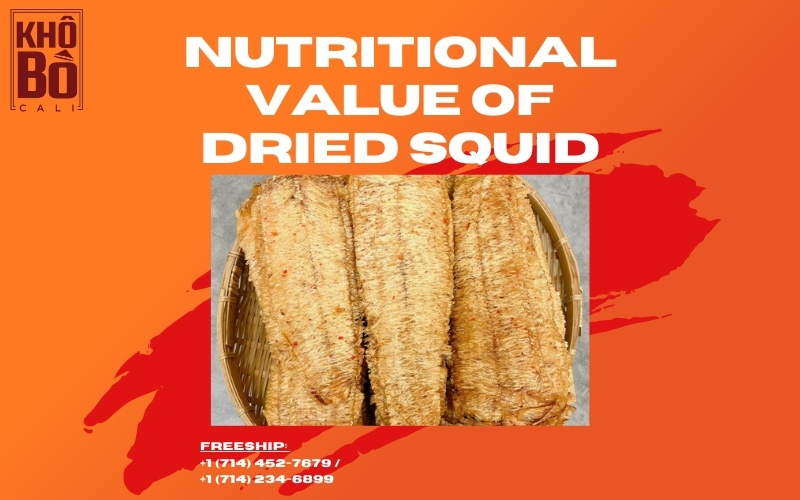
The nutritional value of dried squid is what makes this delicacy a favorite choice in many households. Packed with high-quality protein, dried squid provides an abundant source of energy for the body while also delivering essential minerals such as iron, zinc, and calcium that support strong bones and a healthy immune system.
In addition, its rich supply of B vitamins helps enhance brain function and reduce stress, making it not only a delicious snack but also a beneficial food for overall well-being.
In this article, Khô Bò CALI will walk you through the key nutrients found in just 100g of dried squid.
The Rich Nutritional Value of Dried Squid in Just 100g
Dried squid is more than just a flavorful snack it is a powerhouse of essential nutrients that provide numerous health benefits. Within only 100g, dried squid delivers a remarkable balance of protein, healthy fats, vitamins, and minerals that support energy, immunity, and overall well-being. This makes it a highly recommended food not only for everyday consumption but also for those with specific dietary needs.
Protein – A Vital Nutrient for the Body

One of the most impressive aspects of the nutritional value of dried squid is its exceptionally high protein content. With 60.1g of protein per 100g, it stands out as a top choice for individuals who need extra protein in their diets, such as athletes, gym-goers, or those on plant-based diets looking for alternative protein sources. This rich supply of protein helps in muscle building, tissue repair, and maintaining energy levels throughout the day.
Healthy Fats – Essential for Energy and Heart Health

In every 100g of dried squid, there are about 4.5g of fat, including both saturated and unsaturated fats. What makes it particularly valuable is the presence of omega-3 fatty acids, known for their role in promoting cardiovascular health, reducing inflammation, and supporting brain function.
Calories – A Moderate Energy Source

Dried squid provides approximately 291 calories per 100g, making it a moderate yet sufficient source of energy. This calorie count is balanced, offering enough fuel for daily activities without contributing to unwanted weight gain when consumed in moderation.
Essential Vitamins and Minerals
Beyond protein and fats, dried squid is packed with vital vitamins and minerals that play crucial roles in body functions:
-
Vitamin B2 (Riboflavin): Supports the conversion of carbohydrates, proteins, and fats into usable energy for cells. Interestingly, dried squid contains 3–5 times more B2 than common protein sources such as beef, chicken, or fish.
-
Calcium: While not as concentrated as in dairy products, the calcium in dried squid contributes significantly to maintaining strong bones and teeth, helping prevent osteoporosis and joint pain.
-
Iron: A key mineral for red blood cell production and oxygen transport. The iron content in dried squid helps reduce the risk of anemia and keeps the body energized.
-
Zinc: With about 3.2mg per 100g, zinc strengthens the immune system, supports cell growth, and plays a role in male reproductive health by aiding testosterone production.
-
Copper: An often-overlooked mineral, copper is essential for energy production, nervous system health, and melanin formation. Dried squid is a rich source of this trace element, helping meet daily copper requirements.

👉 In short, the nutritional value of dried squid goes far beyond its delicious taste. It provides a concentrated package of protein, healthy fats, vitamins, and minerals that can boost energy, support immunity, and promote long-term health when included as part of a balanced diet.
Important Notes When Consuming Dried Squid Daily
Although dried squid is packed with nutrients and often considered a superfood, it should be enjoyed in moderation. One of the main reasons is its relatively high levels of cholesterol and sodium, which, if consumed excessively, may lead to cardiovascular or blood pressure-related issues. For this reason, health experts recommend limiting the daily portion to around 100–150g to strike the right balance between taste and nutrition.

When looking at the impressive nutritional value of dried squid, it is clear why this delicacy has earned a place in many diets. With its rich protein content, healthy fats, and a variety of essential vitamins and minerals, just 100g can already supply a substantial amount of what the body needs to stay strong and energized. This makes dried squid an excellent food for boosting health, provided it is eaten responsibly.
In summary, dried squid truly deserves to be called a nutrient-dense food. However, the key to reaping all the benefits lies in portion control and proper preparation. By consuming it in moderate amounts and ensuring it is cooked or processed safely, you can fully enjoy the delicious flavor and the remarkable nutritional value of dried squid without having to worry about potential health risks.