
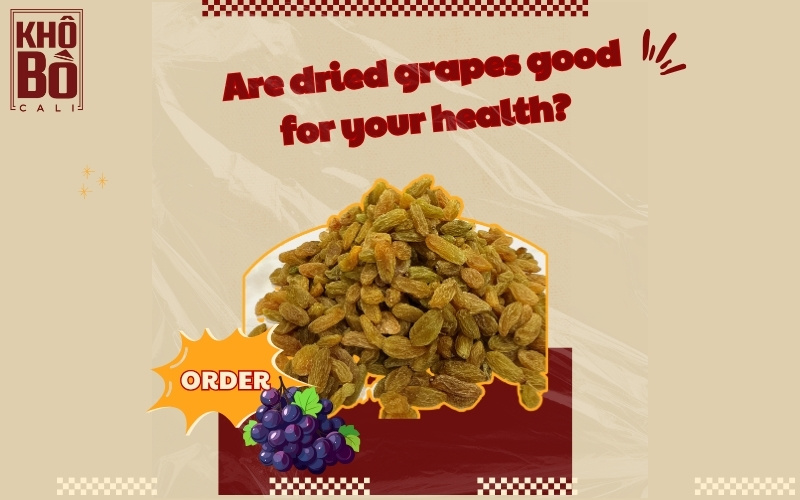
Have you ever wondered whether dried grapes are actually good for you? Beyond their naturally sweet flavor, dried grapes are packed with essential nutrients that can support your overall health when enjoyed in moderation. In this article, we’ll explore the impressive health benefits of dried grapes and share smart tips on how to include them in your daily diet the right way.
Overview of dried grape
Dried grapes are simply fresh grapes that have been dehydrated either in a food dehydrator or naturally dried under the sun. Despite their simple preparation process, they offer a surprisingly rich flavor and impressive nutritional value.
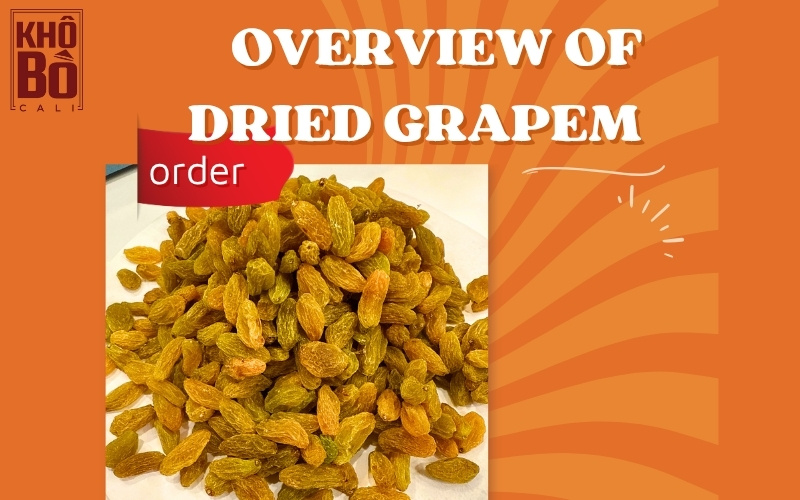
These sweet, chewy treats are incredibly versatile and can be enjoyed in many ways, such as:
-
Adding them to salads for a touch of natural sweetness
-
Mixing with oats to create a wholesome breakfast
-
Pairing with yogurt for a quick, nutritious snack
-
Using as toppings for cookies, bread, or fluffy baked goods
Although dried grapes are naturally high in sugar and calories, consuming them in moderation can bring many health benefits. Studies have shown that they may support healthy digestion, increase iron levels, and help maintain strong bones.
So next time you’re craving candy or something sweet, consider reaching for a handful of dried grapes instead, a delicious and nourishing alternative.
Nutritional Value of Dried Grapes
According to the United States Department of Agriculture (USDA), a 40–50 g serving of dried grapes provides a wide range of essential nutrients. The table below shows their nutritional components and the percentage of the Recommended Daily Allowance (RDA):
General Nutrients
| Nutrient | Amount | % RDA |
|---|---|---|
| Energy | 299 kcal | 15 % |
| Carbohydrates | 79.18 g | 61 % |
| Protein | 3.07 g | 5.5 % |
| Total Fat | 0.46 g | 1.5 % |
| Cholesterol | 0 mg | 0 % |
| Dietary Fiber | 3.7 g | 10 % |
Vitamins
| Nutrient | Amount | % RDA |
|---|---|---|
| Folates | 5 µg | 1 % |
| Niacin | 0.766 mg | 5 % |
| Pantothenic Acid | 0.095 mg | 2 % |
| Pyridoxine (B6) | 0.174 mg | 13 % |
| Riboflavin (B2) | 0.125 mg | 10 % |
| Thiamin (B1) | 0.106 mg | 9 % |
| Vitamin A | 0 IU | 0 % |
| Vitamin C | 2.3 mg | 4 % |
| Vitamin E | 0.12 mg | 1 % |
| Vitamin K | 3.5 µg | 3 % |
Electrolytes
| Nutrient | Amount | % RDA |
|---|---|---|
| Sodium | 1 mg | 1 % |
| Potassium | 749 mg | 16 % |
Minerals
| Nutrient | Amount | % RDA |
|---|---|---|
| Calcium | 50 mg | 5 % |
| Copper | 0.318 mg | 35 % |
| Iron | 1.88 mg | 23 % |
| Magnesium | 7 mg | 2 % |
| Manganese | 0.299 mg | 12 % |
| Phosphorus | 101 mg | 15 % |
| Selenium | 0.6 µg | 1 % |
| Zinc | 0.22 mg | 2 % |
Phytonutrients
| Nutrient | Amount | % RDA |
|---|---|---|
| Carotene-α | 0 µg | – |
| Carotene-β | 0 µg | – |
| Crypto-xanthin-β | 0 µg | – |
| Lutein + Zeaxanthin | 0 µg | – |
Sugar and Calories
A half-cup serving of dried grapes contains approximately 217 calories and 47 grams of sugar. By comparison, a 350 ml can of soda typically has around 150 calories and 33 grams of sugar, depending on the brand.
This high sugar and calorie content is common among all dried fruits, which is why it’s essential to keep an eye on your portion sizes when enjoying dried grapes. They’re often sold in small, pre-packaged boxes containing about 100 calories each. If portion control is a challenge for you, these single-serving packs can be a practical way to manage your intake more effectively.
For endurance athletes, dried grapes can be an excellent alternative to pricey sports gels or chewy energy candies. They offer a quick and natural source of carbohydrates, helping to boost energy levels and sustain performance during prolonged activities.
In fact, a 2011 study found that dried grapes were just as effective as a popular brand of sports jelly beans in enhancing performance among athletes engaging in moderate- to high-intensity endurance exercises.
Fiber
A 100 g serving of dried grapes provides around 3.8 g of fiber, which is approximately 10–24% of your daily requirement, depending on your age and gender.
Dietary fiber plays a crucial role in supporting healthy digestion. It softens and increases the bulk of your stool, making it easier to pass through the digestive tract and helping to prevent constipation. Fiber also slows down stomach emptying, which can help you feel full longer a useful benefit if you’re trying to manage your weight.
Moreover, fiber contributes to lowering harmful LDL cholesterol levels, promoting better heart health. Regular consumption of fiber-rich foods, such as dried grapes, can therefore support both digestive and cardiovascular wellness.

Iron
Dried grapes are considered a good source of iron. A 100 g serving contains about 1.3 mg of iron, equivalent to roughly 7% of the daily recommended intake for most adult women and 16% for most adult men.
Iron is essential for the production of red blood cells and for transporting oxygen throughout the body. Ensuring adequate iron intake is one of the best ways to prevent iron-deficiency anemia, a condition that can cause fatigue and weakness.
Calcium and Bone Health
A 100 g portion of dried grapes provides approximately 45 mg of calcium, or about 4% of the daily recommended intake. Calcium is vital for maintaining strong bones and teeth.
For postmenopausal women, dried grapes make an excellent snack choice, as calcium helps prevent the development of osteoporosis. In addition, dried grapes are naturally rich in boron, a trace mineral that, when combined with vitamin D and calcium, helps strengthen bones and supports osteoporosis management.
Antioxidants
Dried grapes are packed with natural plant compounds called phytonutrients, including phenols and polyphenols. These act as powerful antioxidants, which help neutralize free radicals in the blood and protect your cells and DNA from damage. This protective effect may lower the risk of developing serious health conditions such as cancer, cardiovascular disease, and stroke.
Antibacterial Compounds
A 2009 study found that dried grapes contain phytochemicals that promote healthy teeth and gums. Compounds such as oleanolic acid, linoleic acid, and linolenic acid, found naturally in dried grapes, have antibacterial properties that combat oral bacteria responsible for tooth decay.
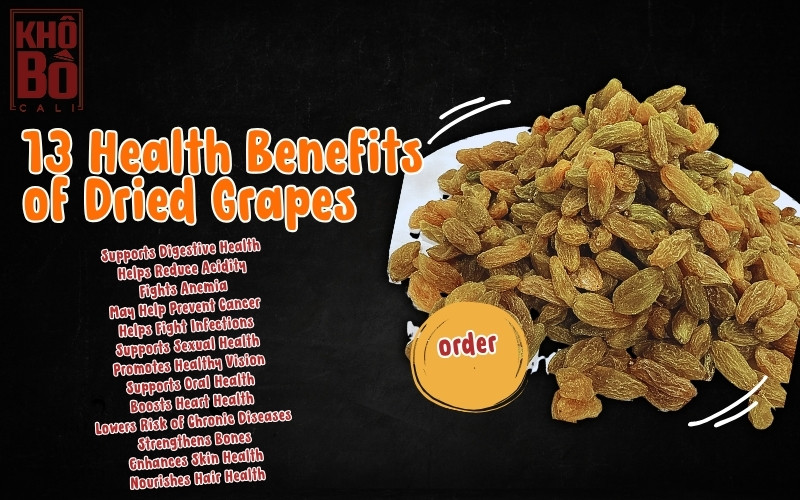
13 Health Benefits of Dried Grapes
Supports Digestive Health
Eating a few dried grapes each day can do wonders for your digestive system. The dietary fiber they contain has a natural laxative effect, helping to soften stool and relieve constipation. Regular consumption also supports healthy bowel movements, aiding in the elimination of toxins and waste from the body.
Additionally, dried grapes contain tartaric acid, a compound with anti-inflammatory properties that improves gut function and balances intestinal bacteria. One study even found that tartaric acid may help lower the risk of colorectal cancer.
Helps Reduce Acidity
Dried grapes are rich in potassium and magnesium, both of which help neutralize excess acids in the body. This detoxifying effect can help prevent health issues such as rheumatoid arthritis, gout, kidney stones, and heart disease.
Fights Anemia
Thanks to their high iron and vitamin B-complex content, dried grapes are beneficial for those struggling with anemia. Iron supports the production of red blood cells, while copper also found in these fruits plays a key role in oxygen transportation throughout the body.
May Help Prevent Cancer
The catechin antioxidants in dried grapes help protect your body from the damaging activity of free radicals that can lead to tumor growth and colon cancer.
Helps Fight Infections
Dried grapes contain polyphenolic antioxidants, known for their anti-inflammatory and antibacterial properties. Eating a small amount daily may help protect against common infections such as colds and other bacterial illnesses.
Supports Sexual Health
Consuming dried grapes can have a positive impact on sexual well-being. They contain arginine, an amino acid known to boost libido and arousal. The natural energy boost provided by dried grapes can also enhance sexual vitality and endurance.
Promotes Healthy Vision
Dried grapes are packed with polyphenolic phytonutrients, powerful antioxidants that protect eye health by neutralizing free radicals that damage vision and contribute to cataract formation. Additionally, they contain vitamin A, beta-carotene, and A-carotenoids, all of which support strong, healthy eyesight.
Supports Oral Health
Dried grapes contain oleanolic acid, a plant compound that helps protect teeth from decay and cavities. Their antibacterial properties inhibit the growth of harmful bacteria in the mouth, while their calcium content strengthens teeth. The boron present in dried grapes also helps keep bacterial buildup in the mouth to a minimum, supporting overall dental health.
Boosts Heart Health
Studies suggest that dried grapes may help lower the risk of heart disease by reducing blood pressure and blood sugar levels. Their fiber content helps lower LDL (bad) cholesterol, easing the workload on the heart.
Additionally, dried grapes are an excellent source of potassium, which plays a crucial role in regulating blood pressure. Low potassium levels are linked to hypertension, heart disease, and stroke. As a low-sodium food, dried grapes can help balance sodium intake and support cardiovascular health.
Lowers Risk of Chronic Diseases
Dried grapes contain higher levels of antioxidants than many other dried fruits. The drying process helps preserve these compounds, making them more potent than those in fresh grapes.
Antioxidants protect cells from damage caused by aging and environmental factors. Plant-based phytonutrients found in dried grapes have been shown to reduce the risk of diabetes, osteoporosis, and cancer, and may also offer anti-inflammatory, pain-relieving, and neuroprotective benefits.
Strengthens Bones
The calcium found in dried grapes plays a key role in maintaining strong bones, helping to prevent conditions like arthritis and gout.
Enhances Skin Health
Dried grapes are a nutrient-dense, low-fat energy source that can support glowing, youthful skin from the inside out. Here are a few ways they benefit your skin:
-
Antioxidants, particularly phenols, protect skin cells from damage, boost collagen and elastin, and delay the appearance of wrinkles and fine lines.
-
They speed up the skin’s natural repair system, rejuvenate skin cells, and help prevent sagging.
-
Resveratrol in dried grapes supports blood purification and red blood cell production, giving the skin a healthy, radiant look.
-
Magnesium and potassium help neutralize excess stomach acid, which may contribute to skin issues like boils, psoriasis, and acne.
-
They aid in liver detoxification, resulting in clearer, brighter skin.
-
Phytochemicals protect skin cells from UV damage, while amino acids support skin regeneration and help build a natural barrier against sun exposure.
-
Vitamin A and Vitamin E stimulate new cell growth, improving moisture retention and skin texture, leaving your skin soft, youthful, and glowing.
Nourishes Hair Health
Dried grapes contain essential nutrients like vitamin B, iron, potassium, and antioxidants that support healthy hair growth. Their benefits include:
-
Iron improves blood circulation and stimulates hair follicles, promoting strong, healthy hair and preventing hair loss.
-
Vitamin C enhances mineral absorption and helps maintain natural hair color.
-
Regular consumption strengthens blood vessels, reduces dandruff, scalp irritation, and prevents hair fall caused by environmental damage.
-
Antioxidants in dried grapes combat hair follicle damage and stimulate the growth of healthy cells.
-
Vitamin C supports collagen formation, while vitamin E protects follicle membranes from free radical damage.
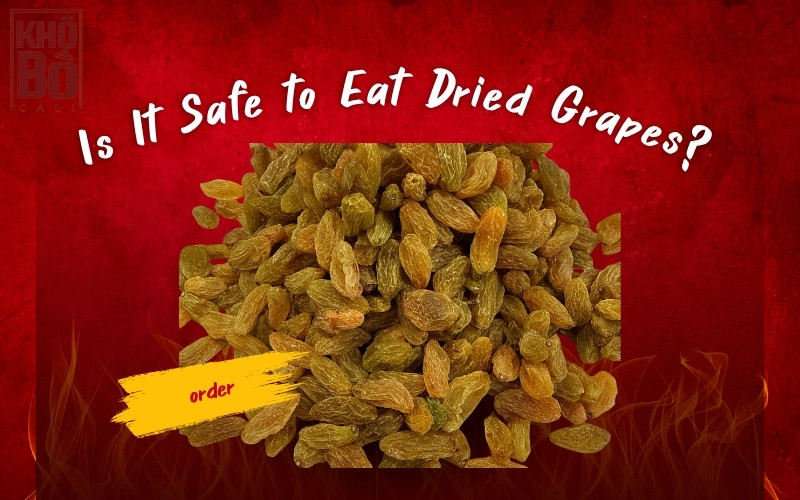
Is It Safe to Eat Dried Grapes?
While dried grapes offer a wide range of health benefits, they may not always be the best snack choice for everyone. There are a few important considerations to keep in mind to ensure you enjoy them safely and in moderation.
Overeating Can Lead to Excess Calorie Intake
For those who are trying to reduce their calorie intake, portion control is essential. Although a single dried grape contains about the same number of calories as a fresh grape, its smaller size makes it easy to consume a large amount without realizing it. This can lead to excessive calorie intake and, over time, unwanted weight gain.
High Fiber Intake May Cause Digestive Issues
Another concern with eating too many dried grapes is their soluble fiber content. Consuming large amounts of fiber in a short period can trigger digestive discomfort, including cramps, bloating, and gas, and in more severe cases, diarrhea. That said, this typically happens only when you eat dried grapes in excessive quantities, since they do not contain extremely high levels of fiber on their own.
Choking Hazard for Young Children
Because of their small size and chewy texture, dried grapes can pose a choking hazard, especially for young children. For this reason, it’s generally safer to offer fresh grapes instead of dried ones when serving them to kids.
Sulfite Sensitivity and Additives
Commercially grown dried grapes are often treated with sulfur dioxide to extend shelf life, prevent oxidation, and preserve color. While this is safe for most people, individuals with asthma or sulfite sensitivity may experience adverse reactions. If you fall into this group, it’s wise to choose organic dried grapes or carefully check product labels before purchasing.
Pesticide Residues
Like many dried fruits, dried grapes may contain trace amounts of pesticide residues. Over time, these chemicals can affect liver function, interfere with the body’s ability to process toxins, and inhibit cellular energy production. Choosing organic or well-sourced products can help minimize these risks.
How to Make Your Own Dried Grapes at Home
You don’t have to rely on store-bought products to enjoy dried grapes, making your own at home is surprisingly simple. While most commercial dried grapes are made from seedless varieties, you can actually dry almost any type of grape to create a flavorful, preservative-free snack.
Homemade dried grapes not only give you full control over the ingredients but also ensure better hygiene and food safety. All you need is some fresh, high-quality grapes, a bit of time, and either an oven or a food dehydrator.
Step-by-Step Guide to Making Dried Grapes
-
Wash the grapes thoroughly and remove any damaged or spoiled fruit.
-
Drain the excess water using a colander.
-
Blanch the grapes briefly in a pot of boiling water. This helps loosen the skin, allowing moisture to escape more easily during drying.
-
Drain again to remove any remaining moisture.
-
Arrange the grapes in a single layer on a lightly oiled baking sheet or dehydrator tray.
-
For oven drying: Set the oven to 107 °C (225 °F) and dry the grapes for about 3 hours, or until they reach your desired texture.
-
For dehydrator drying: Set the temperature to 57 °C (135 °F) and let them dehydrate for approximately 24 hours, or until fully dried.
-
Store the finished dried grapes in an airtight container to keep them fresh for longer.
Once ready, you’ll have naturally sweet, chewy dried grapes that are perfect for snacking, baking, or adding to salads and cereals, no additives required!
Enjoy Premium Dried Grapes from Khô Bò CALI

Making your own dried grapes at home can be fun, but if you prefer a quick, convenient, and guaranteed high-quality option, look no further than Khô Bò CALI. Our premium dried grapes are carefully selected from the finest fresh grapes and naturally processed to retain their full flavor, sweetness, and nutritional value, with no artificial additives or preservatives.
Whether you’re looking for a healthy daily snack, a tasty topping for your meals, or a thoughtful gift for loved ones, Khô Bò CALI dried grapes are the perfect choice.
👉 Order now to experience the difference in taste and quality. Treat yourself and your family to the wholesome goodness of Khô Bò CALI dried grapes today!
📞 Order now: +1 (714) 452-7679 / +1 (714) 234-6899
🌐 Shop online at: Khobocali.com